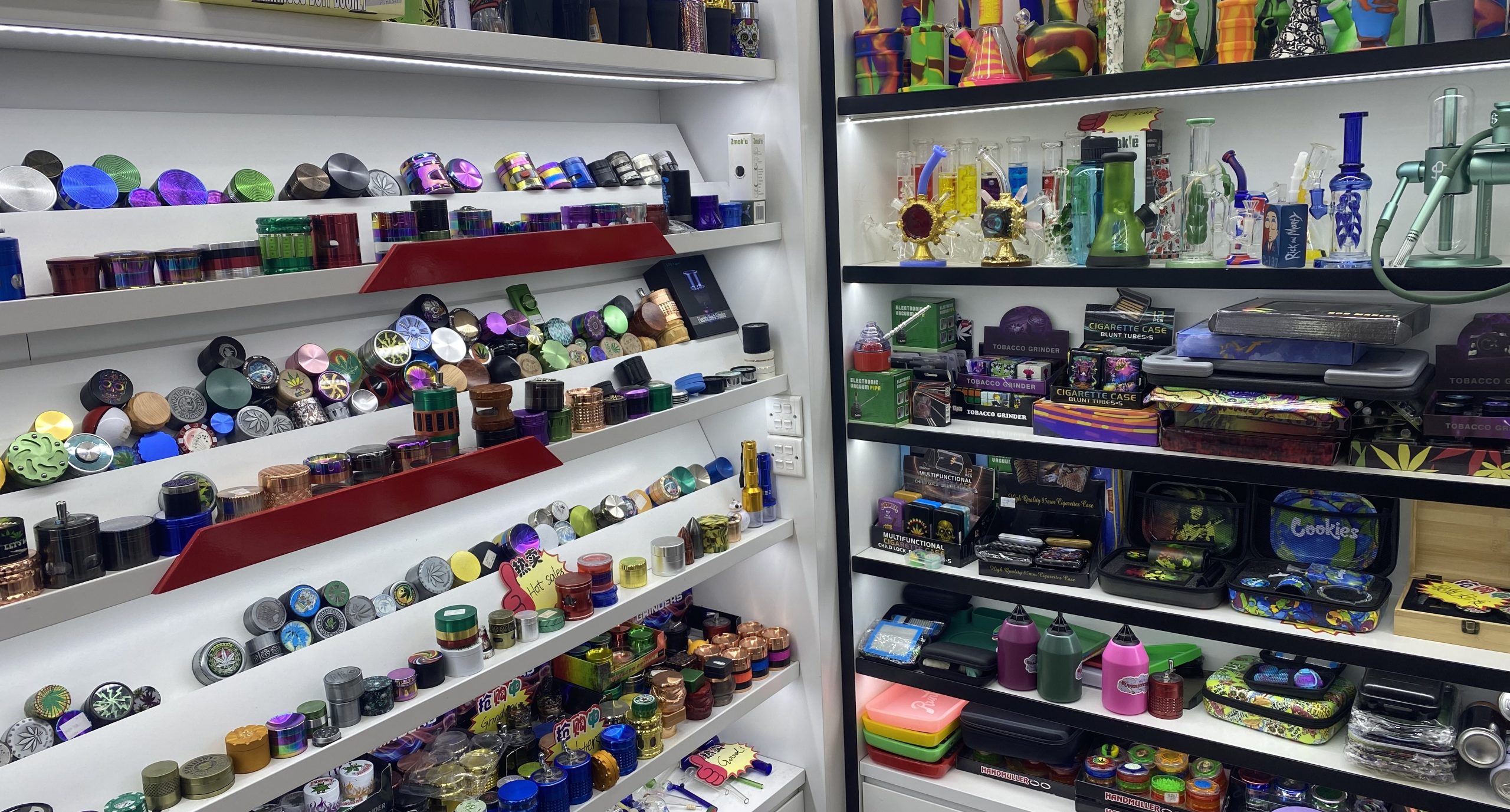

What retailers need in bulk glass
The wholesale glass pipe market in 2026 is defined by a shift toward durable, visually striking inventory that moves quickly on retail shelves. For smoke shop owners, the margin potential lies not just in the unit cost, but in selecting pieces that function as impulse buys. Borosilicate glass remains the industry standard for durability, offering a balance of heat resistance and clarity that justifies a higher retail price point than cheaper alternatives.
Current aesthetic trends heavily favor color-changing glass and intricate frit work. These pieces capture attention immediately, serving as both functional tools and decorative objects. Retailers should prioritize stock that includes classic spoon pipes alongside these novelty items, as the combination caters to both traditional users and collectors. The visual appeal of frit styles, in particular, drives foot traffic and encourages add-on purchases.
Inventory strategy should reflect the diversity of the customer base. Stocking a mix of pocket-friendly hand pipes and more elaborate designs ensures coverage across different price sensitivities. Reliable suppliers like SPS Wholesale and MJ Wholesale offer the breadth of styles needed to maintain this balance, from basic utility pieces to high-margin artistic statements. Understanding these material and aesthetic drivers is essential for building a profitable glass pipe inventory.
Top wholesale glass pipe picks
Choosing the right wholesale glass pipes requires balancing durability, aesthetic appeal, and margin potential. Retailers should prioritize borosilicate glass for its heat resistance and longevity, while considering design elements that drive impulse purchases. The following selections represent reliable options from established wholesale suppliers, categorized by their primary retail advantage.
Classic Spoon Pipes
The spoon pipe remains the highest-volume SKU in wholesale glass. These pieces are compact, durable, and appeal to a broad customer base. Look for suppliers offering both standard clear glass and colored variations. The simplicity of the design allows for efficient packaging and shipping, reducing breakage rates during transit. This category serves as the foundational inventory for any smoke shop, ensuring consistent foot traffic and repeat purchases.
Mini and Pocket Pipes
Mini pipes target the on-the-go consumer and the discreet user. These smaller vessels are often made from thinner glass or specialized materials to maintain portability without sacrificing structural integrity. They are ideal for cross-merchandising near checkout counters or in high-traffic impulse zones. Their lower wholesale cost allows for higher markups, making them a profitable addition to the glass pipe assortment.
Borosilicate Beaker and Bubbler Styles
For customers seeking a step up from basic pipes, borosilicate beakers and bubblers offer superior durability and a premium feel. These pieces resist thermal shock and chemical degradation, extending the product's lifespan. Retailers can position these as mid-tier options, bridging the gap between disposable novelty items and high-end artisanal glass. The clarity and weight of borosilicate glass convey quality, justifying a higher price point.
Novelty and Color-Changing Designs
Novelty glass pipes, including color-changing frit styles and unique shapes, drive visual interest and social media engagement. These items appeal to collectors and younger demographics looking for distinctive pieces. While they may not have the same daily utility as classic spoons, they serve as high-margin impulse buys. Stocking a limited selection of these items can differentiate your inventory from competitors and attract customers seeking something unique.
Comparison of Key Specs
The table below summarizes the typical specifications and wholesale positioning for these categories.
| Category | Primary Material | Margin Potential | Target Customer |
|---|---|---|---|
| Classic Spoon | Standard Soda-Lime Glass | Medium | General Retail |
| Mini Pipes | Thin Glass or Borosilicate | High | On-the-Go Users |
| Borosilicate Beakers | Borosilicate Glass | Medium-High | Quality Seekers |
| Novelty/Frit | Colored Glass/Frit | High | Collectors/Impulse |
Vetting wholesale suppliers for reliability
Building a profitable retail inventory starts with selecting partners who prioritize consistency over flashy marketing. For retailers, the wholesale relationship is less about finding the lowest price and more about securing a steady supply of authentic, sellable glass. A reliable supplier acts as the backbone of your shop’s margins, ensuring that stock arrives on time and meets quality standards without the friction of returns or customer complaints.
Minimum order quantities (MOQs) are the first filter in this process. Suppliers like Patel Smoke Inc. enforce strict thresholds, such as a $200 minimum order, which signals a focus on B2B efficiency rather than casual retail. These requirements help filter out casual buyers and ensure that the supplier’s logistics team is optimized for bulk shipments. When evaluating MOQs, consider your shelf space and turnover rate; a high MOQ is only beneficial if you have the storage capacity and customer demand to move the volume quickly.
Shipping reliability and product authenticity are equally critical. Companies like AOG Wholesale specialize in a broad range of glassware, from hand pipes to rigs, offering retailers the ability to consolidate orders. However, broad catalogs can sometimes lead to inconsistent quality control. It is essential to verify that suppliers source directly from reputable manufacturers or maintain strict inbound inspection protocols. Look for suppliers who provide clear product descriptions and avoid vague listings that could indicate drop-shipping from unverified third parties.
Finally, consider the supplier’s operational scope. MJ Wholesale, for instance, offers a comprehensive range of accessories alongside glass pipes, allowing retailers to bundle items and increase average order value. This one-stop-shop approach can simplify inventory management but requires careful vetting to ensure that the glass products themselves are not compromised by the breadth of the catalog. Prioritize suppliers who demonstrate transparency in their sourcing and have a track record of consistent fulfillment for retail clients.
Bulk accessories to pair with pipes
Wholesale glass pipes often serve as the anchor for a customer’s visit, but the real margin growth happens in the add-ons. Retailers who bundle complementary items like cleaners, storage, and rolling supplies see a measurable lift in average order value (AOV). These accessories are low-cost, high-turnover items that fit easily into checkout flows without requiring significant shelf space.
Cleaners and maintenance kits
Glass pipes require regular maintenance to maintain clarity and performance. Offering pre-measured cleaning solutions or simple brush kits reduces friction for buyers who want to keep their pipes in good condition. Products like the Zap Glass Cleaner or generic isopropyl alcohol and salt sets are standard inventory items that pair naturally with pipe purchases. These items have a long shelf life and low return rates, making them reliable profit drivers.
Storage and protection
Protecting the investment in glass is a common concern for buyers. Mylar bags and rigid plastic cases provide immediate protection during transport and storage. Suppliers like MJ Wholesale stock bulk Mylar bags and joint tubes that are inexpensive to source but sell well at retail markup. Pairing a pipe with a matching storage solution addresses the customer’s need for durability and discretion, increasing the perceived value of the entire bundle.
Rolling papers and cones
For retailers targeting a broader smoking demographic, rolling papers and pre-rolled cones are essential cross-sell items. These consumables are purchased repeatedly, creating recurring revenue opportunities. Stocking popular brands alongside bulk options allows customers to choose between premium and value tiers. This strategy keeps the store competitive while ensuring that every glass pipe sale has a corresponding consumable attachment.
Common questions about wholesale glass
Retailers navigating the wholesale glass market often encounter specific operational hurdles regarding order thresholds, logistics, and quality control. Understanding these mechanics is essential for protecting margins and maintaining inventory turnover.
What is the typical minimum order value?
Most established distributors, such as Patel Smoke Inc., enforce a minimum order value to justify the cost of handling and shipping heavy glass inventory. A standard threshold is often set around $200.00. This ensures that the wholesale price point remains viable for both the supplier and the retailer, preventing small, inefficient transactions that eat into administrative overhead.
Do wholesalers ship to retail-only addresses?
Yes, reputable glass wholesalers strictly limit shipments to licensed retail and wholesale businesses. They do not ship to the general public or residential addresses. This compliance measure ensures that products move through the regulated supply chain. Retailers must provide valid business documentation to verify their status as an authorized point of sale.
How is breakage handled during transit?
Glass is fragile, and shipping damage is a real risk in the wholesale channel. Leading suppliers typically have clear breakage policies that cover items damaged during transit. Retailers should confirm these terms before ordering. Proper packaging, including double-boxing and padding, is standard practice to minimize loss, but a clear claim process is necessary for any items that arrive compromised.
No comments yet. Be the first to share your thoughts!