
Defining true glass quality
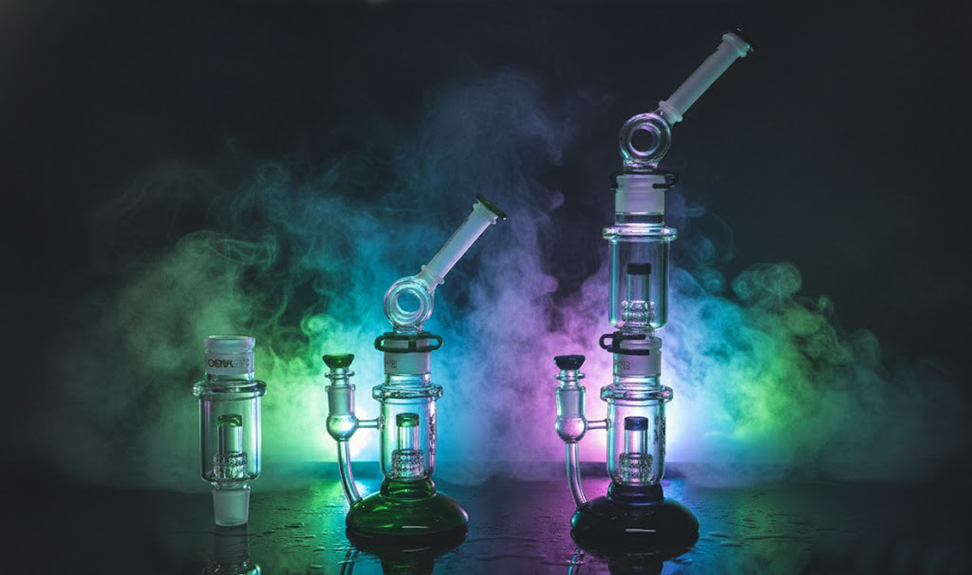
There’s a common misconception that "glass is glass,’ but in the world of wholesale smoking accessories, that couldn’t be further from the truth. The type of glass dramatically impacts durability, heat resistance, and overall user experience. You’ll encounter three main types: borosilicate, soda-lime, and quartz. While soda-lime glass is cheaper, it’s prone to cracking and shattering with temperature fluctuations – a major problem for pipes and bongs. Quartz is excellent for specific applications like nails, but it"s costly for larger pieces.
Borosilicate glass is the industry standard for a reason. It's far more resistant to thermal shock, meaning it can withstand rapid temperature changes without breaking. This is crucial for pieces that will be repeatedly heated and cooled. Look for suppliers who explicitly state they use borosilicate glass. A broken piece isn't just a lost sale; it’s a hit to your store’s reputation and potential safety hazard for your customers.
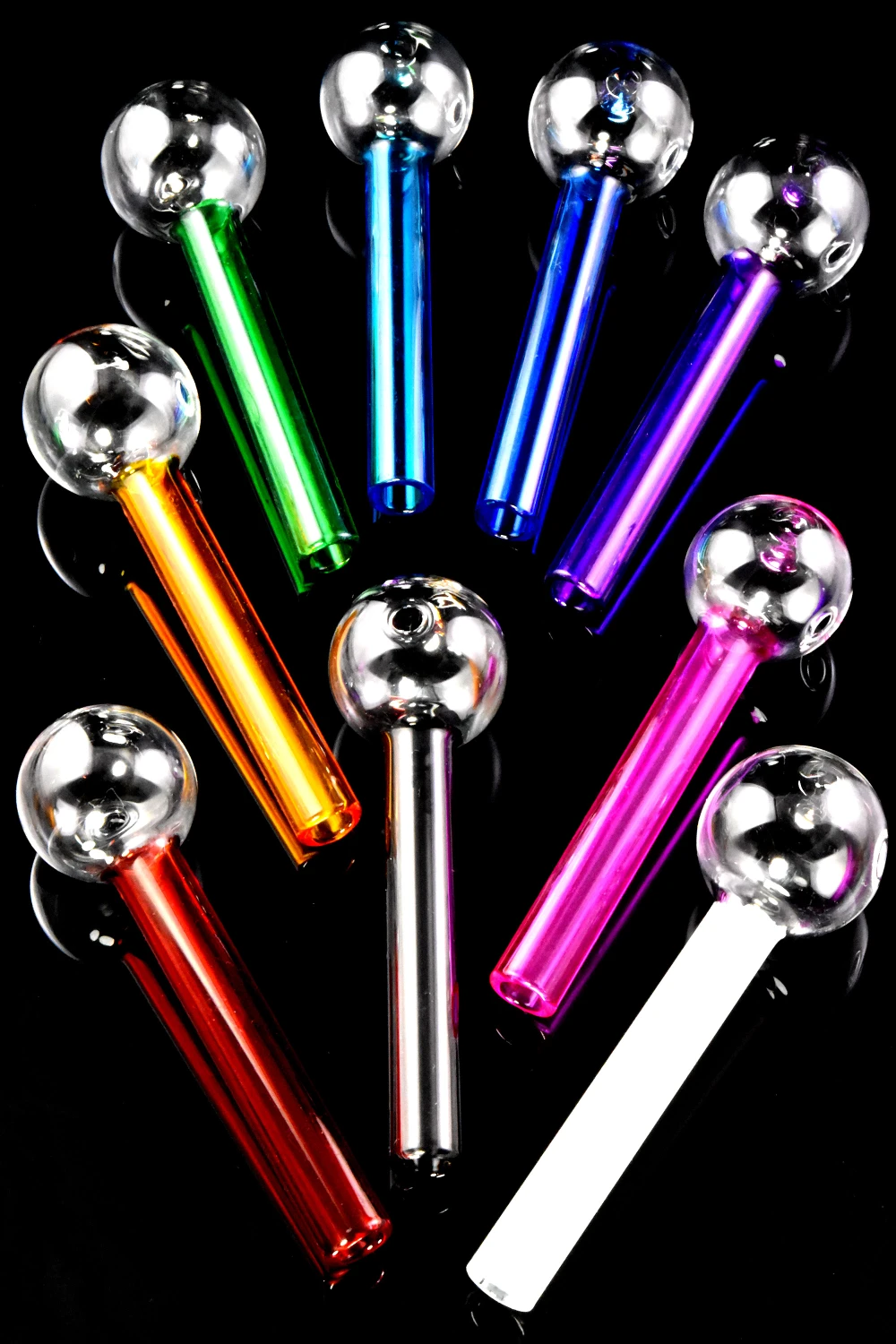
Visually assessing quality is also important. High-quality glass will be crystal clear, free of bubbles or imperfections. Check the wall thickness—thinner glass is more fragile. Finally, examine the smoothness of the joints. A well-finished joint ensures a tight seal and prevents cracking. It’s a small detail, but it speaks volumes about the manufacturer’s attention to detail. Don't assume all glass is created equal; invest in quality.
How suppliers set their prices
Understanding how suppliers price their products is the first step to maximizing your ROI. Most suppliers use tiered pricing, offering discounts based on volume. The more you buy, the lower the price per piece. However, be mindful of minimum order quantities (MOQs). Some suppliers require you to purchase a certain number of items, even if you don't need that many, which can tie up your capital.
Don’t overlook potential hidden fees. Shipping costs can be substantial, especially for heavy glass pieces. Handling fees and customs duties (if importing) can also add to the overall cost. To calculate the true cost per piece, add up all these expenses and divide by the number of items you’re purchasing. I’ve seen retailers underestimate these costs and end up with razor-thin margins.
Exchange rates play a significant role when sourcing from overseas. Fluctuations in currency values can impact your profitability. Factor this into your calculations and consider hedging your currency risk if you’re making large purchases. Remember, the lowest sticker price isn’t always the best deal; you need to consider the total cost of ownership.
The Hidden Costs of Cheap Glass
Choosing the cheapest glass pipes might seem like a smart way to boost your profit margins initially, but it often leads to hidden costs that quickly erode those gains. Higher breakage rates are almost guaranteed with lower-quality glass. This means more returns, replacements, and lost revenue. A retailer I spoke with recently estimated that their return rate on budget glass was nearly 20%, compared to just 3% for their premium pieces.
Customer dissatisfaction is another significant cost. Broken or poorly made pipes create a negative brand experience, leading to fewer repeat customers and negative online reviews. Word of mouth travels fast, and a damaged reputation can be difficult to repair. It’s more than just the cost of the product; it’s the cost of trust.
Low-end glass often has sharp edges or uses lead-based paints that leach into smoke. I've seen shops get sued over these defects. Buying better glass is a simple way to avoid liability and keep people safe.
Vetting supplier reliability
A low price is irrelevant if the supplier consistently misses deadlines or ships damaged goods. Vetting potential suppliers is just as important as assessing product quality. Start by inquiring about lead times—how long it takes to fulfill an order. A reliable supplier should provide realistic timelines and stick to them. Also, ask about their order fulfillment rate—what percentage of orders are shipped complete and on time.
Communication is key. A responsive supplier should answer your questions promptly and address any concerns you have. Test their responsiveness by sending a detailed inquiry and see how quickly they reply. Check their return policies—what happens if you receive damaged or defective products? A generous return policy is a good sign.
Don’t hesitate to check references and read online reviews. Search for the supplier’s name on Google and industry forums to see what other retailers are saying. Suppliers offering drop-shipping or white-labeling options can streamline your operations and reduce your inventory costs. These services can be extremely valuable, particularly for smaller retailers.
Wholesale glass suppliers for 2026
The wholesale glass market is competitive, but several suppliers consistently stand out. MJ Wholesale (mjwholesale.com) is a large distributor offering a wide range of smoking accessories, including glass pipes, papers, and lighters. They boast free shipping on orders over $2,000 and no minimum order requirements, but they carry products from various brands, so quality can vary. SPS Wholesale (spswholesale.com) operates out of California and focuses on smoke shop supplies. They have a $100 minimum order, but they ship quickly and offer competitive pricing.
LuvBuds is a high-volume option if you need a deep catalog of generic glass. They are usually the cheapest for basic hand pipes. I'm also watching All Head Shop Supply; they are smaller but have started carrying more American-made glass lately.
When evaluating suppliers, consider your specific needs. Do you prioritize price, quality, or selection? Do you need a supplier who offers drop-shipping or custom branding? Each supplier has its strengths and weaknesses. For example, MJ Wholesale’s wide selection is great, but requires more diligence in vetting individual product quality. SPS Wholesale’s California location is advantageous for quick shipping to the West Coast.
Featured Products
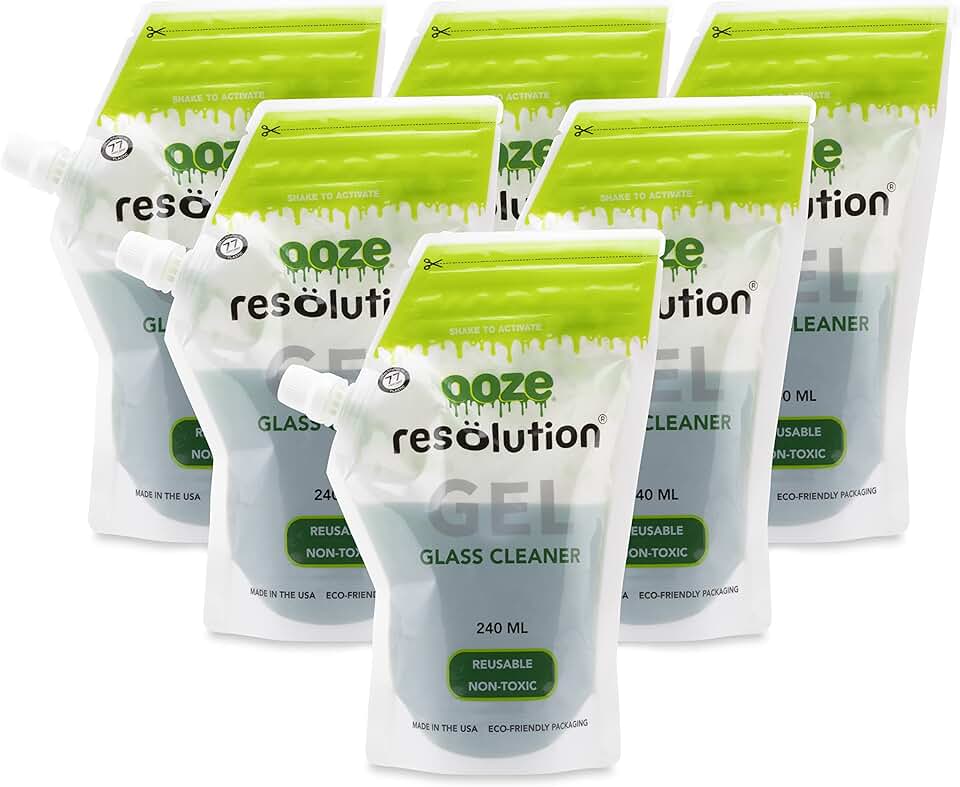
Natural clay-based formula · Non-toxic and non-abrasive · Reusable solution
This bulk pack ensures your customers can easily maintain their glass pieces, adding long-term value to their purchase.
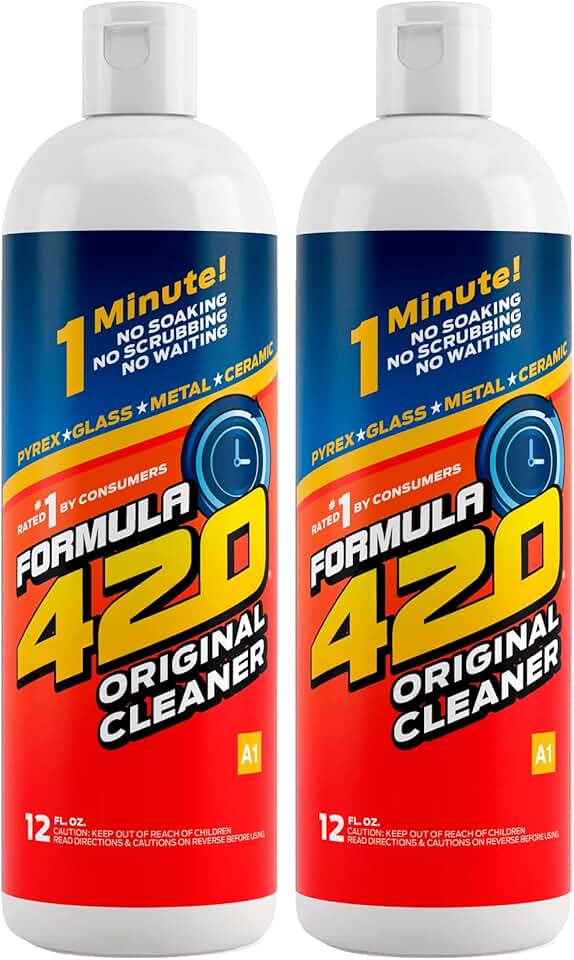
Cleans glass, metal, and ceramic · 12 oz bottles · Pack of 2
A cost-effective solution for customers to keep their glass pieces sparkling, enhancing the overall customer experience.

Multipurpose 5-in-1 cleaning action · Glass-friendly and alcohol-free · Coats, relaxes, and rinses for a deep clean
This versatile cleaner offers a convenient way for customers to maintain their glass, making it a valuable add-on for customer satisfaction.
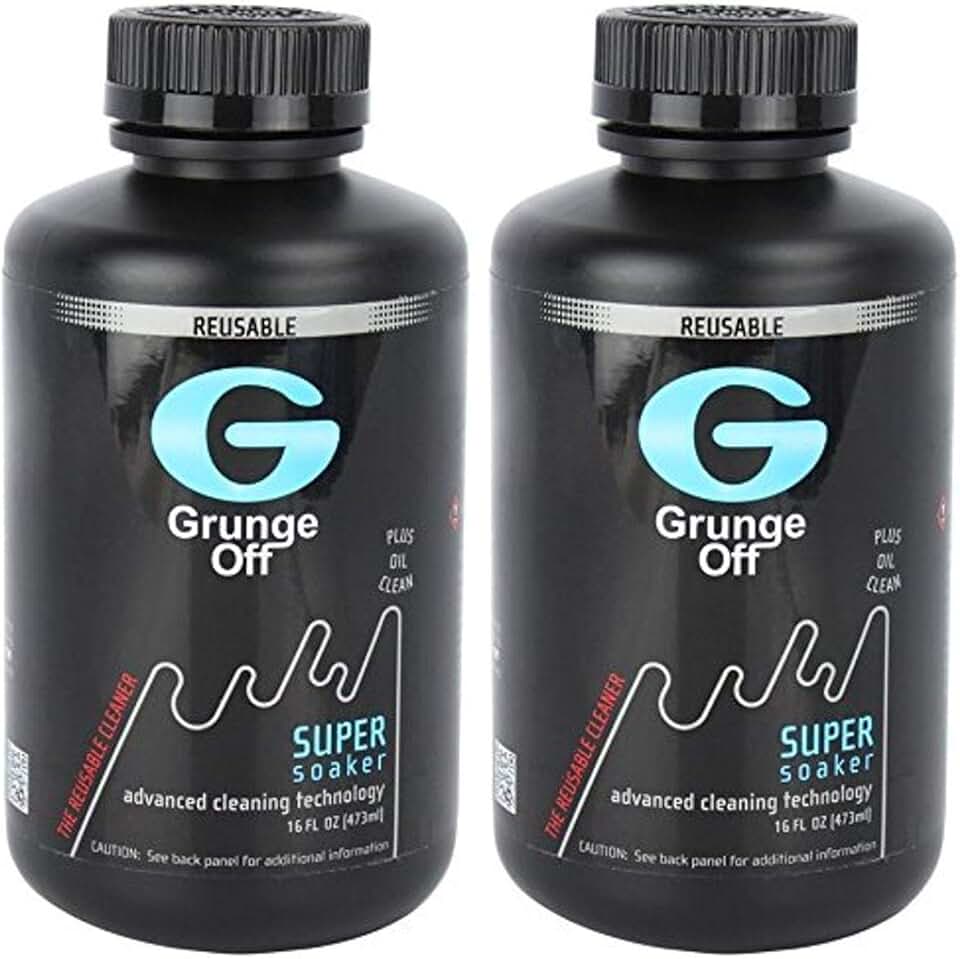
Powerful cleaning action for tough grime · 16 oz bottles · Pack of 2
Customers will appreciate having a reliable cleaner to keep their glass pipes in top condition, extending the life and enjoyment of their purchase.
Cleans glass, metal, and ceramic · 12 oz bottles · Pack of 2
A cost-effective solution for customers to keep their glass pieces sparkling, enhancing the overall customer experience.
As an Amazon Associate I earn from qualifying purchases. Prices may vary.
Negotiating for Better Deals: Tactics That Work
Don't accept the first price you're quoted. Negotiating is a standard practice in the wholesale market. Ordering in bulk is the most effective negotiating tactic. Suppliers are often willing to offer significant discounts for large orders. Consider consolidating your purchases to reach higher volume tiers.
Building a long-term relationship with a supplier can also lead to better pricing. Show them that you're a reliable customer and that you value their partnership. Offering to pay upfront can sometimes secure a discount, as it reduces the supplier’s risk. It’s a win-win situation.
Be polite and professional throughout the negotiation process. A little goodwill can go a long way. Remember, the goal is to establish a mutually beneficial relationship. Don’t be afraid to walk away if you can’t reach an agreement that works for you. There are plenty of other suppliers out there.
Quality Control: Your Last Line of Defense
Even with a reliable supplier, a robust quality control process is essential. Inspect incoming shipments carefully for any defects—cracks, chips, or imperfections. Don't rely solely on the supplier’s quality control; take matters into your own hands. Document any issues and report them to the supplier immediately.
Establish a clear procedure for handling returns. Make it easy for customers to return defective products and offer a prompt refund or replacement. This builds trust and encourages repeat business. A well-defined quality control process minimizes losses and protects your brand reputation.
It’s tempting to skip this step to save time, but it’s a false economy. Investing a little time in quality control can save you a lot of money and headaches in the long run. It’s your last line of defense against delivering a subpar experience to your customers.



No comments yet. Be the first to share your thoughts!