
Define your glass bong inventory needs
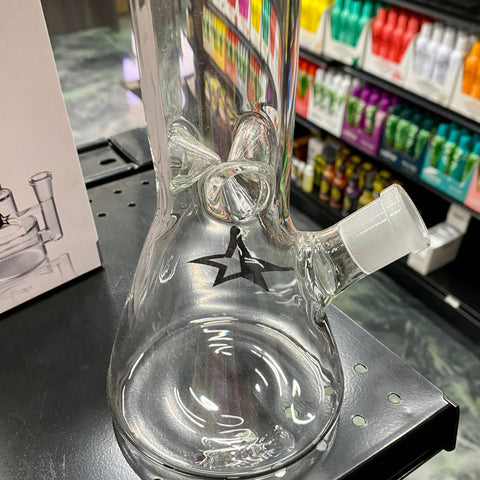
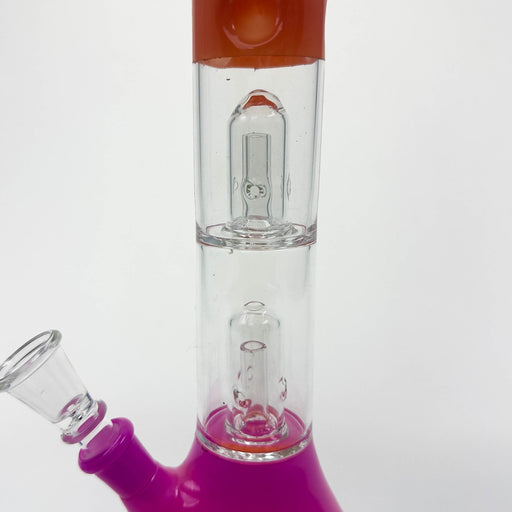
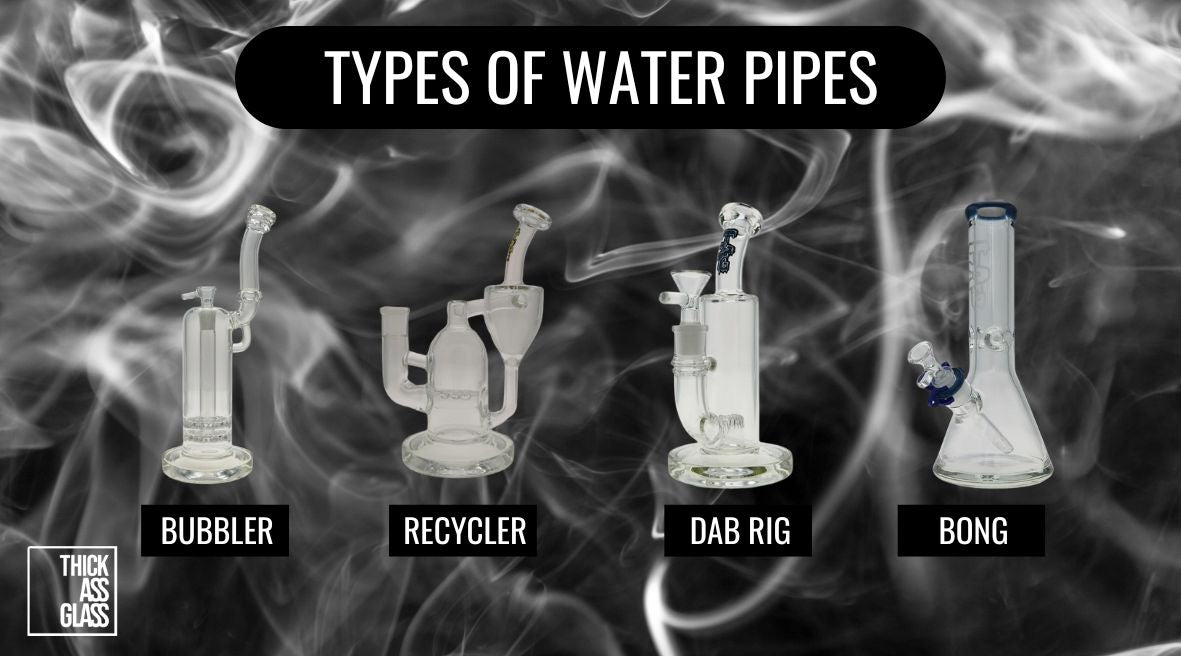
Before contacting suppliers, align your inventory with your customer base’s preferences and budget. Most retailers find that 10-12 inch beaker bongs are the highest turnover items, making them a safe starting point for initial stock. Straight tube bongs appeal to users seeking portability, while percolator bongs attract enthusiasts looking for smoother hits.
Consider your price points. Wholesale suppliers offer a range of options, from affordable basic glass to premium thick-walled pieces. Determine the margin you need and the price range your customers are willing to pay. This will help you narrow down the suppliers and product lines you need to evaluate.
Identify verified wholesale suppliers
Distinguishing legitimate B2B distributors from retail storefronts is the first filter in your sourcing workflow. Many online smoke shop sites appear to offer bulk pricing but are actually retail operations with high minimum order quantities (MOQs) designed to deter casual buyers. Legitimate wholesale distributors operate on a strict B2B model, requiring verified business licenses and resale certificates before granting access to wholesale portals or pricing tiers.
When evaluating potential partners, look for explicit statements regarding their customer base. Reputable distributors like Patel Smoke Inc. clearly state they ship only to retail and wholesale companies, not the general public. This restriction is a strong indicator of a genuine wholesale operation. Conversely, sites that allow immediate checkout without business verification are likely retail intermediaries, which will erode your margins through markup.
Beyond verification, assess the logistical metrics that impact your inventory turnover. A viable wholesale supplier must offer clear MOQs, competitive breakage policies, and reliable shipping timelines. For example, SPS Wholesale lists a $100 MOQ with fast shipping from California, while LA Wholesale Kings offers tiered discounts and free shipping on orders over $1,000. These concrete metrics allow you to calculate your landed cost accurately and plan your stock replenishment cycles effectively.
| Supplier | Minimum Order Quantity (MOQ) | Key Logistics Feature | Target Audience |
|---|---|---|---|
| SPS Wholesale | $100 | Fast shipping from CA | Retailers & Dispensaries |
| Patel Smoke Inc. | $200 | B2B only (no retail) | Verified Wholesale/Retail |
| LA Wholesale Kings | $1,000+ for free shipping | Tiered bulk discounts | High-volume Retailers |
Evaluate glass quality and packaging standards
Assessing the physical integrity of wholesale glass bongs is the most effective way to predict your return on investment. Thin glass and poor packaging directly correlate with higher breakage rates during transit, which erodes margins and damages your retail reputation. Instead of relying on supplier promises, you need to verify specific material thicknesses and protective protocols before committing to a purchase order.
1. Verify glass thickness specifications
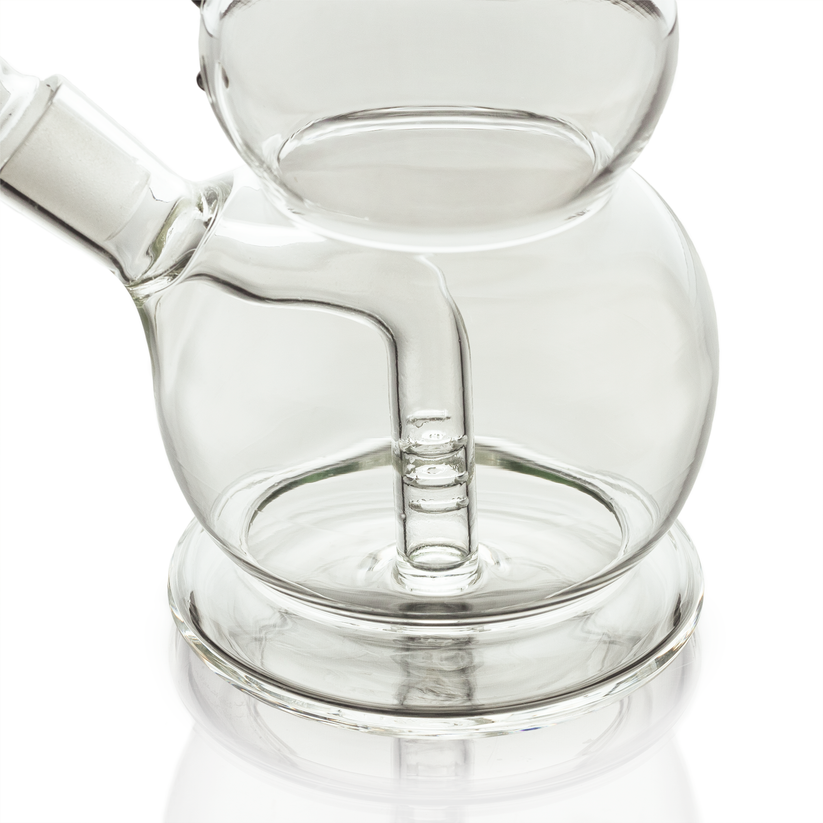
Standard wholesale bongs often use 4mm to 6mm borosilicate glass. Anything below 4mm is prone to thermal shock and physical impact damage, especially in high-traffic retail environments. Request technical specifications from the supplier. If they cannot provide exact millimeter measurements for the base and body, treat this as a red flag for low-quality manufacturing.
Ask suppliers for the exact glass thickness (in mm) of the base and main chamber. Reputable wholesalers will provide these metrics immediately. Prioritize suppliers offering 5mm or 6mm glass for durability, as this significantly reduces the likelihood of breakage during shipping and handling.
2. Audit packaging protocols
The packaging is your first line of defense against logistics damage. A professional supplier will use multi-layered protection: bubble wrap, foam inserts, and rigid corrugated boxes. Avoid suppliers who use minimal wrapping or single-layer boxes. Poor packaging increases the risk of transit damage, leading to higher return rates and customer service costs for your store.
Inspect the supplier’s packaging description or request photos of their packing process. Look for individual bubble wrapping, foam corner protectors, and double-walled boxes. Suppliers who invest in robust packaging demonstrate a commitment to product safety, which translates to fewer damaged goods arriving at your warehouse.
3. Calculate breakage rate tolerance
Before finalizing a contract, ask the supplier about their historical breakage rates during shipping. A standard acceptable rate is typically under 2-3%. Rates above 5% indicate systemic issues with either the glass quality or the packaging design. Use this metric to negotiate better terms or to factor potential losses into your pricing strategy.
Establish a clear policy for damaged goods in your wholesale agreement. Most reputable suppliers will replace broken items or issue credits if breakage exceeds a agreed-upon threshold (e.g., 3%). Ensure this policy is written into your contract to protect your inventory investment and maintain healthy profit margins.
Place your first bulk order strategically
Your initial bulk order serves as a live audit of your supplier’s reliability. Instead of committing to maximum capacity, structure this first purchase to test quality control, shipping integrity, and communication responsiveness. This approach minimizes financial risk while providing the data needed to negotiate better terms for future restocks.
1. Order representative samples before scaling
Never place a full container or large pallet order without first verifying specific SKUs. Request a small batch of your top three anticipated sellers to inspect for glass thickness, joint integrity, and packaging standards. This step reveals potential breakage rates and manufacturing defects that bulk orders often mask until they reach your store shelves.
Request a small, representative sample of your top three anticipated sellers. Inspect for glass thickness, joint integrity, and packaging standards. This step reveals potential breakage rates and manufacturing defects that bulk orders often mask until they reach your store shelves.
Most wholesalers require a minimum order value, often between $200 and $500. Use this threshold to determine if your initial budget allows for a diverse SKU mix or if you must focus on high-velocity items. Clarify if the minimum applies per order or per shipment.
Use the data from your test batch to negotiate better terms. If the sample quality was high and shipping was fast, request volume discounts or priority processing for orders over $1,000. Establish clear communication channels for reordering to avoid stockouts during peak seasons.
2. Validate supplier reliability
Before finalizing the bulk purchase, check the supplier’s track record. Look for consistent shipping times and clear return policies for damaged goods. A reliable partner will provide tracking information within 24 hours and have a straightforward process for filing claims on broken items.
3. Structure the order for inventory balance
Distribute your initial budget across a mix of classic and high-margin items. Avoid over-investing in novelty pieces that may have longer sales cycles. Focus on core products that drive consistent foot traffic, ensuring you have enough stock to last at least 60-90 days.
Common sourcing mistakes to avoid
Wholesale procurement for glass bongs requires precise logistics management. Many retailers underestimate the complexity of shipping heavy, fragile inventory. Ignoring these variables leads to margin erosion and stockouts. Focus on three critical areas: shipping costs, breakage policies, and supplier return windows.
Hidden shipping costs
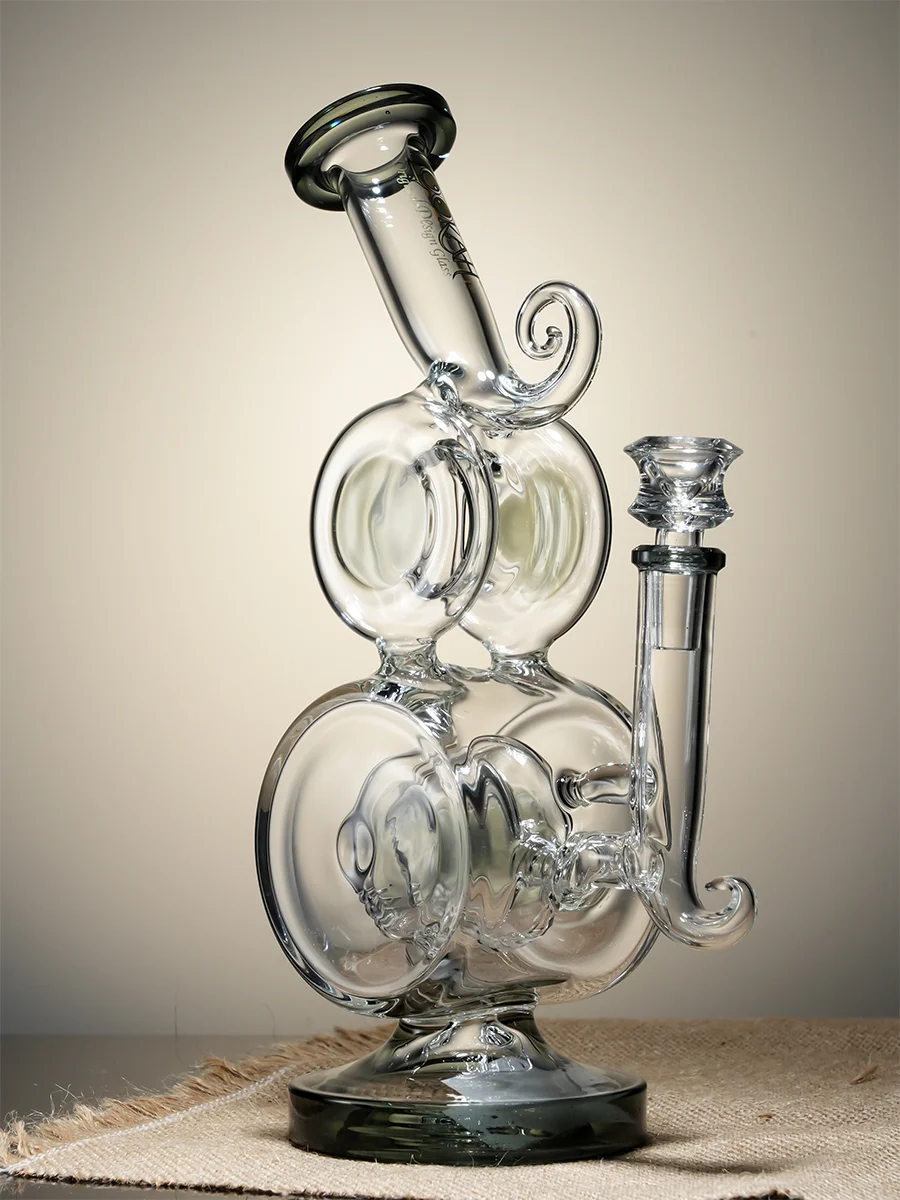
Glass bongs are heavy and voluminous. Standard wholesale pricing often excludes freight. You must calculate landed cost per unit, including insurance and handling fees. Suppliers offering "free shipping" on low MOQs may inflate unit prices to compensate. Verify if freight is calculated by weight or dimensional volume. For large beaker or recycler styles, dimensional weight can double your logistics expenses. Request a full freight quote before committing to an order.
Overlooking breakage policies
Glass is fragile. During transit, breakage rates can range from 2% to 5% depending on packaging quality. If a supplier does not explicitly cover breakage, you absorb the loss. This directly impacts your gross margin. Ensure your contract includes a clear breakage allowance. Some wholesalers offer a 3-5% buffer for free replacement. Others require you to file claims within 48 hours of delivery. Document the condition of all boxes upon arrival. Take photos before opening. This evidence is essential for successful claims.
Choosing suppliers without clear return windows
Inventory turnover is vital for retail cash flow. If a supplier has no return window for defective or unsold stock, you risk holding dead inventory. Look for suppliers with a 14-30 day return policy for quality issues. Avoid those with "final sale" terms on glassware unless the price discount is significant. Clear return terms protect your capital. They also signal a supplier’s confidence in their product quality. Vet their customer service response time. Slow claim processing delays your restocking cycle.
Frequently asked questions about wholesale glass
What is the typical minimum order quantity (MOQ) for wholesale glass bongs?
Most distributors set an MOQ between $100 and $500 to cover processing costs. For example, SPS Wholesale requires a $100 minimum, while others may enforce higher thresholds for specific high-end items. Starting with a lower MOQ allows you to test supplier reliability and product quality before committing to larger inventory volumes.
How long does shipping take for wholesale glass orders?
Shipping times vary by location and carrier. Domestic shipments from major hubs like California often arrive within 3-5 business days. International orders can take 2-4 weeks depending on customs clearance. Always request a tracking number and verify the supplier’s shipping policy to ensure timely delivery for your retail needs.
How can I verify the authenticity of wholesale glass products?
Request product certificates of authenticity or manufacturer authorization letters. Reputable suppliers like SMOKEA Wholesale provide branded packaging and batch numbers. Inspect items for consistent quality, clear branding, and proper labeling upon arrival. Avoid suppliers who cannot provide proof of origin or have inconsistent product listings.
No comments yet. Be the first to share your thoughts!