
Wholesale glass pipes budget
Stocking a smoke shop requires balancing margin with durability. Wholesale glass pipes fall into three distinct tiers, each serving a different customer base. Understanding where these products sit in the price spectrum helps you avoid overstocking fragile items or missing out on high-volume entry-level sales.
The $5–$15 Entry Tier
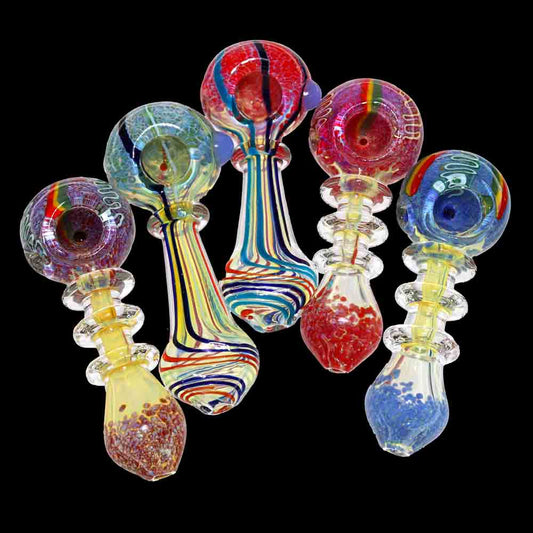
At the lowest price point, you will find mass-produced, machine-blown pipes. These are typically made from softer soda-lime glass rather than borosilicate. They are often brightly colored or feature simple frit patterns. Because the material is thinner and more prone to thermal shock, these pipes are considered disposable by many users. However, they move quickly as impulse buys or gifts. Retailers stock this tier to capture the budget-conscious shopper or as a low-risk entry point for new smokers. Expect to see bulk packs of 12 or 24 with minimal individual packaging.
The $15–$30 Mid-Range Tier
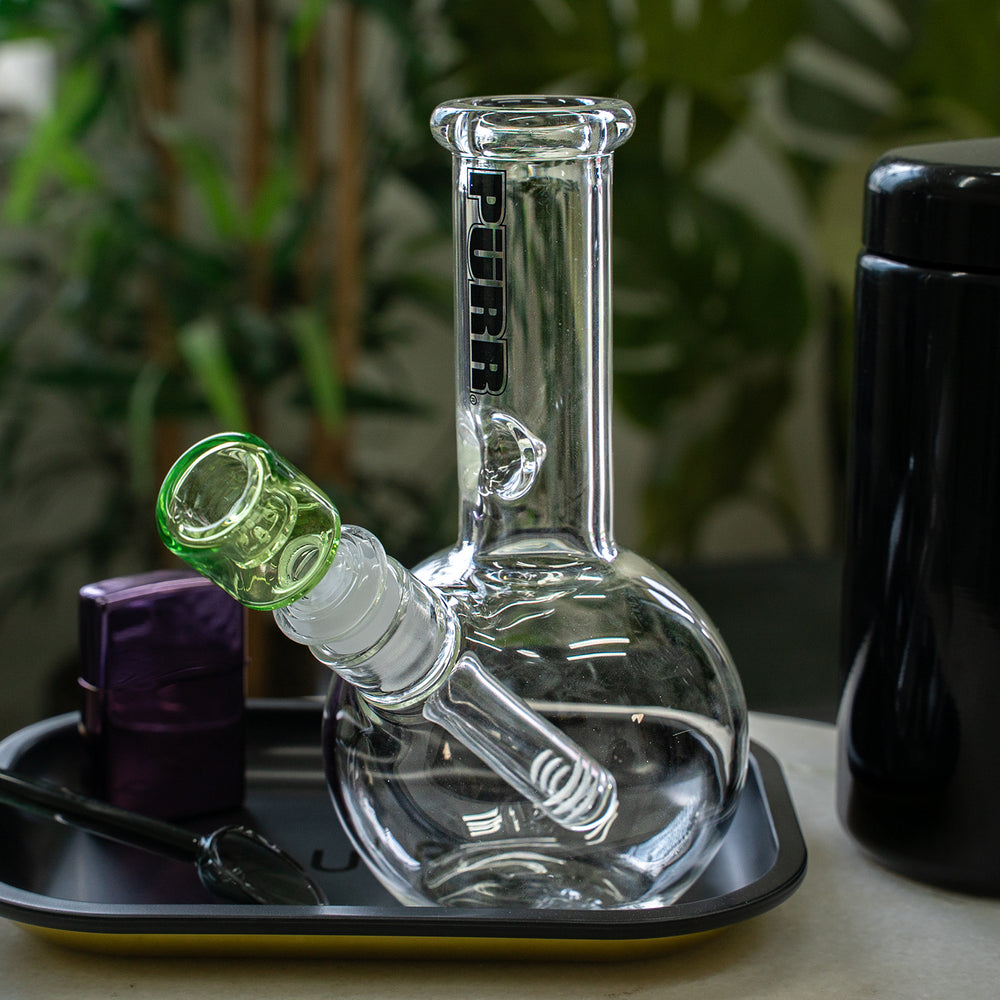
This is the sweet spot for most retail floors. Here, you find hand-blown pipes made from durable borosilicate glass. The work involves more artisan time, resulting in smoother percolators, thicker walls, and better heat resistance. Styles range from classic spoon pipes to more complex beakers and chills. These products appeal to regular smokers who want reliability without paying premium boutique prices. They often come in individual boxes with basic branding, making them easier to display and sell at a higher markup than the entry tier.
The $30+ Collector Tier
Above $30, you are dealing with custom, one-of-a-kind pieces from recognized glass artists. These pipes are investment pieces for collectors. While they generate high per-unit profit, they turn over slowly and require careful handling and secure display cases. For a general wholesale strategy, limit this tier to a small, rotating selection of trending styles or local artist collaborations. Overstocking here ties up capital in items that may not sell for months.
Compare wholesale glass pipe options
Retailers stocking glass pipes need to balance durability, aesthetic appeal, and margin. The wholesale market splits into distinct categories: classic spoon pipes, novelty frit pieces, and heavy-duty borosilicate designs. Choosing the right mix depends on your customer base. Some buyers want disposable, low-cost items, while others seek durable, handmade-quality pieces for higher price points.
We compare four leading wholesale suppliers to help you decide where to source. This table highlights their primary strengths, typical product types, and ideal use cases. Use this data to build a diversified inventory that covers multiple price tiers.
| Supplier | Primary Strength | Typical Product Types | Best For |
|---|---|---|---|
| MJ Wholesale | Broad variety | Hand pipes, rigs, bubblers, accessories | General smoke shops needing one-stop sourcing |
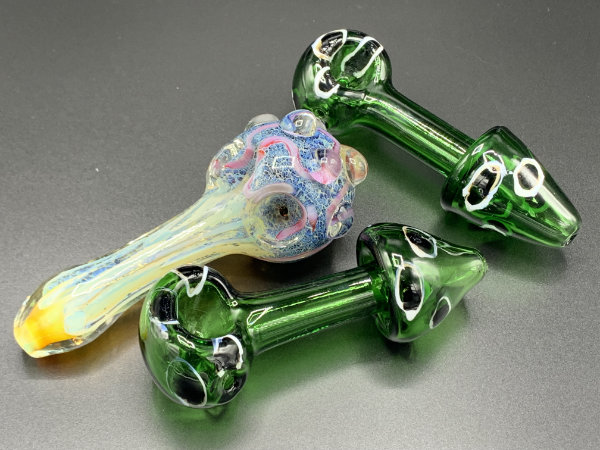
| SPS Wholesale | Trend-focused novelty | Color-changing glass, frit styles, pocket pipes | Shops targeting younger or trend-driven buyers |
| Shop The King | Bulk pricing | Standard hand pipes, basic bowls | High-volume retailers prioritizing margin |
| Roetell | Direct manufacturing | Glass smoking bottles, custom bowls | Shops seeking unique, less common designs |
MJ Wholesale stands out for its sheer breadth. If you need everything from basic spoon pipes to complex rigs in a single order, their catalog reduces shipping complexity. SPS Wholesale, by contrast, leans into novelty. Their color-changing and frit glass pieces often drive impulse buys, making them ideal for high-traffic retail displays.
Shop The King focuses on bulk efficiency. Their pricing structure favors large case quantities, which helps retailers maximize margins on standard, high-turnover items. Roetell offers a different angle by connecting directly with manufacturers. This often results in unique glass bottles and custom bowls that you won't find in generic distributor catalogs, appealing to customers looking for something distinct.
When selecting suppliers, consider how their strengths align with your store's demographic. A mix of broad-variety and novelty suppliers often provides the best balance of steady sales and exciting new arrivals.
Inspect the expensive parts
When you buy wholesale glass pipes, the cost doesn’t just sit in the glass itself—it hides in the weak points that fail under heat or impact. A cracked bowl or a loose joint turns a $15 pipe into a total loss. Before you stock these items, or when you’re evaluating a new shipment, check these four areas where retailers lose the most money.
The joint where the bowl meets the main chamber takes the most thermal stress. Look for hairline fractures that radiate from the connection point. Even a tiny crack here will widen after just a few heating cycles, causing the bowl to detach mid-use. Rotate the pipe and view it against a light source to spot invisible stress lines.
The mouthpiece is the most likely point of impact during shipping or customer handling. Tap the end gently against a hard surface; if it sounds hollow or dull rather than crisp, the glass may be thinning. Check for chips or rough edges that could cut a user’s lip. Smooth, rounded rims are a sign of quality finishing.

If the pipe includes a percolator, the thin arms holding the diffusion chamber are fragile. Look for stress marks where these arms connect to the main body. These connections are difficult to repair once broken. Ensure the arms move slightly with the glass’s natural flexibility but do not wobble independently, which indicates poor fusion.
For pipes with removable carb caps or slides, check the fit. A cap that is too loose will fall out during transport; one that is too tight will crack the glass when forced. The piece should slide smoothly with slight resistance. If the cap feels gritty or sticks, the glass tolerances are off, leading to customer returns.
Focusing on these specific failure points helps you filter out low-quality stock before it reaches your shelves. It’s better to catch a cracked joint in the box than to deal with a refund after a customer’s first use.
Plan for ownership costs
The purchase price is only the first line item. Wholesale glass pipes and bulk accessories carry hidden ownership costs that can erode margins if you don’t account for them upfront. A $2 pipe might seem like a steal, but if it breaks within a week, your replacement cost and customer service time will outweigh the savings.
Breakage and replacement rates
Glass is fragile. Even with careful packaging, shipping damage and customer misuse happen. Plan for a 5–10% breakage rate in your first year for standard glass pipes. This isn’t waste; it’s part of the cost of doing business. Keep a small buffer stock of low-cost replacement pipes so you can offer quick refunds or exchanges without losing the customer.
Cleaning and maintenance
Resin buildup reduces product appeal and can lead to negative reviews. Educate customers on proper cleaning, but also consider offering cleaning kits as add-ons. This turns a maintenance need into a revenue stream. For higher-end pieces, specify care instructions clearly to reduce returns due to damage from improper cleaning methods.
When cheap stops being cheap
Avoid the lowest-priced tier unless you’re selling disposable or novelty items. Cheap glass often has thin walls, uneven grinding, or poor color retention. These flaws lead to higher return rates and lower customer loyalty. Investing in mid-tier glass with thicker walls and better craftsmanship usually results in fewer complaints and repeat business, which is far more profitable than chasing the lowest unit cost.
Wholesale glass pipes: common retailer: what to check next
Stocking glass pipes requires balancing aesthetic appeal with logistical reality. Below are the practical answers to the questions retailers ask most often before placing bulk orders.
No comments yet. Be the first to share your thoughts!