
The safety shift in wholesale glass
The wholesale glass market is undergoing a structural shift driven by regulatory pressure and consumer health awareness. Lead-free glass is no longer a niche preference; it is becoming the baseline standard for 2026. This transition is not merely aesthetic. It reflects a broader B2B imperative: suppliers and retailers are aligning with stricter safety standards to mitigate liability and meet evolving buyer expectations.
Regulatory bodies in key markets are tightening restrictions on heavy metals in consumer goods. While federal standards vary, state-level initiatives and international export requirements often demand higher purity levels. For wholesale distributors, sourcing lead-free glass is a compliance necessity. It reduces the risk of product recalls and ensures that inventory meets the rigorous standards of discerning smoke shop owners. The move away from leaded crystal glass is a direct response to these tightening regulations.
Consumer awareness is another critical driver. Modern buyers are more informed about material safety and are actively seeking products that do not leach harmful substances. This shift in consumer sentiment forces brands to prioritize transparency. Wholesale buyers who stock lead-free glass can market this feature as a key differentiator, appealing to health-conscious customers. This focus on safety enhances brand reputation and fosters long-term customer loyalty.
Leading manufacturers are already adapting to this new landscape. Companies like Biohazard Inc. are producing Bio Glass bongs in the USA, emphasizing safety and quality. Similarly, EG Glass Wholesale positions itself as a reliable partner for premium, high-margin accessories, implicitly supporting the shift toward safer materials. These suppliers recognize that lead-free glass is not just a regulatory hurdle but a competitive advantage. By aligning with this trend, wholesale businesses can future-proof their inventory and meet the demands of a more sophisticated market.
What lead-free glass means for retailers
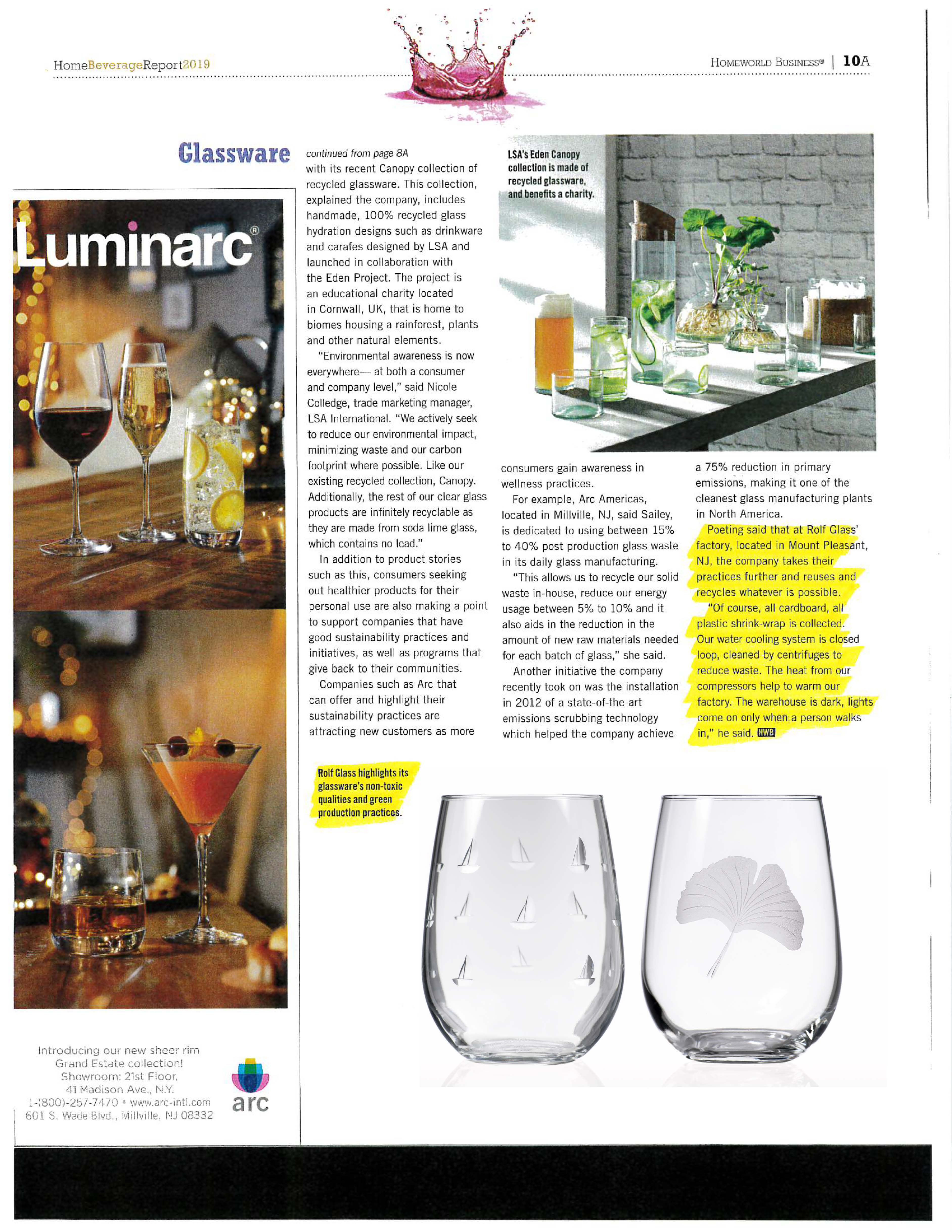
The shift toward lead-free glass is driven by material science rather than marketing trends. Traditional lead crystal glass contains lead oxide, which was historically added to increase refractive index and weight. Modern lead-free alternatives, primarily borosilicate and high-quality soda-lime glass, achieve similar visual appeal without the toxic heavy metals. For retailers, this distinction is not just about compliance; it is about product longevity and customer safety.
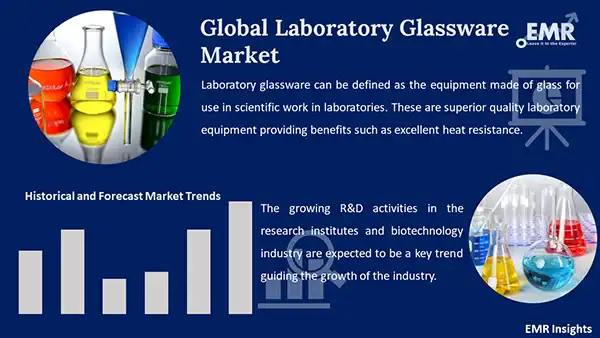
Durability is the most significant technical advantage for wholesale buyers. Borosilicate glass, commonly used in laboratory equipment, has a lower coefficient of thermal expansion than standard soda-lime glass. This means it resists thermal shock better, reducing the likelihood of cracking during temperature changes or rough handling during shipping. For retailers, this translates to fewer returns and lower breakage rates, which directly impacts profit margins in the fragile glass category.
Clarity remains a primary purchasing driver for end consumers, and lead-free glass delivers on this front. High-quality borosilicate offers exceptional transparency and a bright, clean aesthetic that mimics the look of traditional crystal without the health risks. Retailers can market this clarity as a premium feature, appealing to health-conscious buyers who prioritize purity in their smoking accessories.
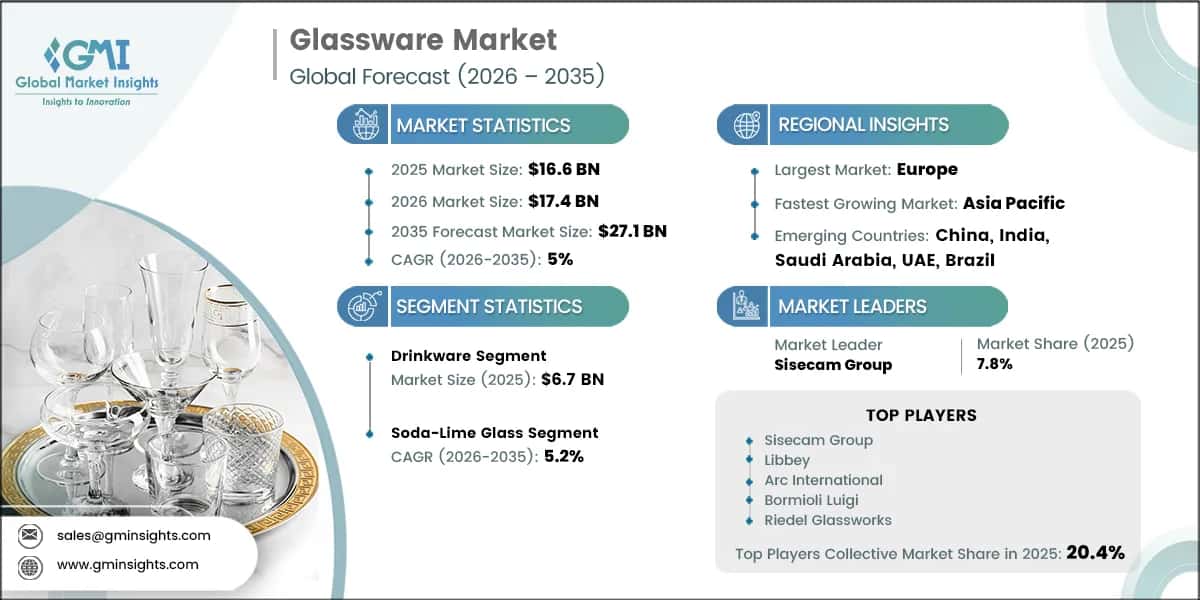
The market is already adapting to these standards. Major wholesale suppliers like MJ Wholesale and Clover Glass have expanded their inventories to feature lead-free options extensively. These suppliers offer thousands of SKUs that meet these new material standards, ensuring retailers can stock durable, clear, and compliant products without sacrificing design variety.
Suppliers Prioritizing Lead-Free Inventory
The shift away from lead crystal is no longer a niche request from specialty retailers; it is becoming a baseline requirement for mainstream distributors. Manufacturers that have already reformulated their production lines to use 100% lead-free soda-lime or borosilicate glass are positioning themselves as the default partners for smoke shops navigating the 2026 regulatory landscape. These suppliers are not just reacting to liability concerns but are actively marketing their compliance as a competitive advantage in a crowded wholesale market.
BIO Glass, operating out of Los Angeles, has integrated lead-free standards into its entire "Bio Glass" product line. By manufacturing domestically, BIO Glass ensures that every unit shipped to wholesalers meets strict U.S. safety standards without the variability of international supply chains. This vertical integration allows them to guarantee that their bongs and pipes are free from lead and cadmium, a claim that resonates strongly with retailers facing increasing pressure from institutional buyers and insurance providers.
EG Glass Wholesale has similarly pivoted its manufacturing focus to prioritize high-margin, lead-free accessories. Their B2B model emphasizes premium beaker bongs and pipes that are explicitly marketed as safe for long-term consumer use. By removing lead from their inventory, EG Glass reduces the risk of product recalls and builds trust with smoke shop owners who are increasingly cautious about the chemical composition of their glassware. This strategic move aligns their brand with the growing consumer demand for transparency and safety in smoking accessories.
Clover Glass and Hara Brands are also leading the charge by stocking extensive inventories of lead-free options. Clover Glass offers over 10,000 SKUs, many of which are certified lead-free, allowing wholesalers to bulk order compliant products without sacrificing variety. Hara Brands complements this by focusing on quality assurance and hassle-free distribution, ensuring that their wholesale waterpipes and dab rigs meet the highest safety benchmarks. Together, these suppliers illustrate how the industry is consolidating around lead-free standards as the new normal for wholesale glassware.
How to verify lead-free claims
Why Lead-Free Glass Bongs Wholesale Is the Standard works best as a clear sequence: define the constraint, compare the realistic options, test the tradeoff, and choose the path with the fewest hidden costs. That order keeps the advice usable instead of decorative. After each step, pause long enough to check whether the recommendation still fits the reader's actual situation. If it depends on perfect timing, unusual access, or a best-case budget, include a simpler fallback.
Frequently asked questions about lead-free glass
Are lead-free bongs more expensive than traditional options?
The wholesale price premium for lead-free glass is typically minimal, often ranging from 5% to 10% over standard leaded crystal. Manufacturers like EG Glass and Clover Glass have streamlined production to keep costs competitive. This small increase is offset by reduced liability and broader market acceptance, making the margin impact negligible for most smoke shops.
How does durability compare to leaded crystal?
Lead-free borosilicate glass is generally more durable and resistant to thermal shock than traditional leaded crystal. While leaded glass can feel heavier, it is more brittle and prone to cracking under rapid temperature changes. Lead-free variants offer superior structural integrity, reducing breakage rates during shipping and in retail displays.
How can I verify a supplier’s lead-free certification?
Reputable B2B suppliers, such as Biohazard Inc., provide third-party lab reports or material safety data sheets (MSDS) confirming compliance with lead-free standards. Buyers should request documentation directly from the manufacturer or verified wholesale distributor to ensure the glass meets current safety regulations before placing bulk orders.
No comments yet. Be the first to share your thoughts!