Define your pipe inventory needs
Wholesale glass pipes for your headshop require a clear inventory plan before you contact suppliers. Glass is fragile, heavy, and varies significantly in quality and price. Buying blindly leads to breakage, slow-moving stock, and thin margins. Start by mapping out exactly what your customers buy and what your shelf space allows.
Choose glass types and shapes
Most wholesale glass pipes for your headshop fall into three categories: simple spoons, complex bongs, and dab rigs. Spoon pipes are high-volume, low-cost items that appeal to casual users. Bongs and rigs are higher-ticket items that require more careful handling and packaging. Decide which segment drives your revenue.
Borosilicate glass is the industry standard for durability and heat resistance, especially for rigs and bongs. It withstands thermal shock better than soda-lime glass, reducing breakage during shipping and use. Ensure your suppliers specify borosilicate for any piece intended for direct flame or high heat.
Calculate volume and shelf space
Glass pipes come in various sizes, from pocket-sized spoons to large floor-standing bongs. Measure your display cases and shelving units. A typical headshop shelf holds about 20-30 spoon pipes per linear foot. Larger pieces require dedicated display areas.
Order in bulk to reduce per-unit shipping costs, but avoid overstocking slow-moving styles. Start with a core assortment of 5-10 popular spoon designs and 3-5 bong sizes. Reorder based on sales velocity rather than guessing demand.
Set quality and price thresholds
Wholesale glass pipes for your headshop vary widely in craftsmanship. Set minimum quality standards: smooth joints, even wall thickness, and clear labeling. Reject pieces with visible bubbles, cracks, or poor flame work. Your reputation depends on the durability of the items you sell.
Determine your target retail markup. A common wholesale model offers a 50-70% margin on glass pipes. If a spoon costs $2 wholesale, it should retail between $5 and $7. Factor in packaging, shipping, and potential breakage losses when setting prices.
Compare top wholesale suppliers
Finding the right partner for wholesale glass pipes requires looking beyond the catalog. You need a supplier who balances inventory depth with logistical reliability. Evaluate potential vendors by comparing their minimum order requirements, shipping origins, and product variety. This side-by-side breakdown highlights four established wholesalers to help you identify the best fit for your headshop’s specific needs.
| Supplier | MOQ | Shipping Origin | Product Range |
|---|---|---|---|
| SPS Wholesale | $100 | California | Pipes, bongs, vaporizers, grinders |
| MJ Wholesale | Varies | Multiple | Glass & silicone pipes, bubblers |
| Hara Brands | Contact | Multiple | Pipes, cleaning gear, accessories |
| AOG Wholesale | Contact | Multiple | Hand pipes, rigs, tubes, beakers |
SPS Wholesale stands out for its low $100 minimum order quantity, making it accessible for smaller shops or those testing new product lines. Based in California, they offer fast domestic shipping and a broad inventory that extends beyond pipes to include vaporizers and grinders. MJ Wholesale provides a strong alternative for shops seeking both glass and silicone options, with a focus on competitive B2B pricing for classic tubes and novelty pieces.
For suppliers like Hara Brands and AOG Wholesale, minimum order quantities are not publicly listed and require direct contact. Hara Brands is a leading provider of smoking accessories, offering a comprehensive range of pipes and cleaning gear. AOG Wholesale specializes heavily in glass craftsmanship, providing everything from simple hand pipes to complex rigs and beakers. When comparing these options, consider how their specific strengths align with your shop’s customer base and inventory turnover goals.
Order samples before bulk buying
Never commit to a large wholesale order without physically inspecting the product first. Glass is fragile, and the quality you see in a catalog thumbnail rarely matches the reality of the finished piece. By ordering samples, you verify the thickness of the borosilicate glass, the precision of the joints, and the integrity of the packaging. This small upfront cost protects your inventory from breakage and ensures your customers receive a product that meets their expectations.
Step 1: Select a representative mix
Do not order just one style. Choose a diverse sample set that reflects your target demographic. Include classic spoon pipes, artistic sherlock pipes, and perhaps a few novelty pieces. This mix helps you assess the supplier’s range and consistency. If a wholesaler specializes in high-end art glass, their sample pack will look different than one focused on disposable-style hand pipes. Ensure the samples cover the price points you intend to stock.
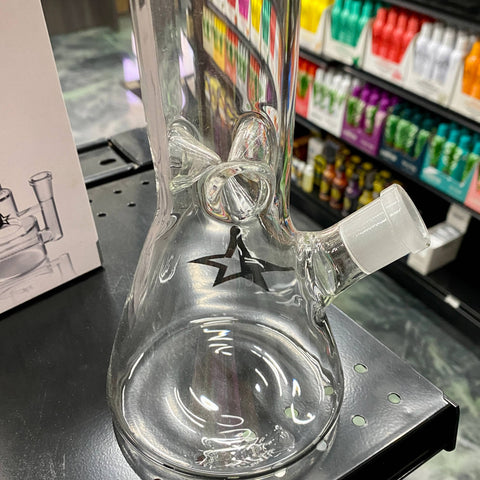
Contact your potential suppliers and request their sample packages. Most reputable wholesalers like SPS Wholesale or MJ Wholesale offer these for a nominal fee, often credited back on your first bulk order. Ask for a mix of their bestsellers and unique items to see the full breadth of their manufacturing capabilities.
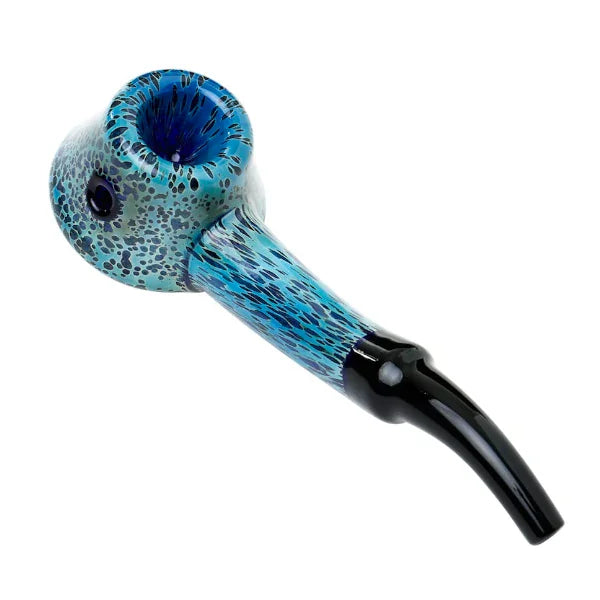
Once the samples arrive, examine them under bright light. Check for bubbles, cracks, or uneven cooling marks (stress lines). The most critical area is the joint where the bowl meets the pipe; it should be smooth and securely fused, with no sharp edges or weak points that could snap during normal use.

Glass pipes are fragile. Open the packaging and check how the items are secured. Do they use individual bubble wrap, cardboard dividers, or just loose packing peanuts? Poor packaging leads to high breakage rates, which erode your margins. Ensure the supplier uses industry-standard protective materials that can withstand shipping vibrations.
Step 2: Evaluate the finished product
Beyond the physical glass, consider the aesthetic appeal. Does the color vibrancy match the online photos? Is the branding (if any) clean and professional? For a headshop, visual appeal drives impulse buys. If the sample pieces look cheap or poorly finished, they will not sell well on your shelves, regardless of the wholesale price.
Step 3: Compare suppliers side-by-side
Order samples from at least three different wholesalers. Lay them out side by side. This comparison reveals which supplier offers the best balance of quality, packaging, and price. You might find that one supplier has superior glass but poor packaging, while another offers great protection but mediocre glass. This data is essential for making informed bulk purchasing decisions.
-
Verify glass thickness and joint integrity
-
Check for chips, cracks, or bubbles
-
Assess packaging protection methods
-
Compare aesthetic quality across suppliers
-
Confirm sample fees are credited on bulk orders
Step 4: Place a small test bulk order
After selecting your preferred supplier, do not immediately place a massive order. Place a small test bulk order (e.g., 10-20 units) to see how they handle fulfillment. Check the shipping speed, accuracy of the invoice, and whether the items arrive in the same condition as the samples. This final checkpoint ensures the supplier is reliable before you commit significant capital to inventory.
Negotiate terms and shipping costs
Wholesale glass pipes are fragile, and shipping costs can quickly erase your margin. Most distributors, such as Patel Smoke Inc., set a minimum order threshold (often around $200) and strictly limit shipments to retail and wholesale entities. Understanding these baseline constraints is the first step in negotiating better rates for larger orders.
Start by requesting a tiered pricing structure based on volume. Suppliers are more likely to offer discounts if you commit to higher quantities, which also helps them manage inventory and logistics more efficiently. When discussing these terms, be clear about your expected order frequency and total annual volume.
Shipping logistics require equal attention. Glass pipes break easily, so verify how the supplier packages items. Ask if they use reinforced boxing or specialized padding to minimize breakage during transit. Negotiate who bears the cost of shipping—sometimes suppliers absorb it for large orders, or you can secure a discounted carrier rate if you have a commercial account.
Always confirm the delivery timeline before finalizing the deal. Rush shipping adds significant cost, while standard ground shipping is more economical but slower. Ensure the supplier’s shipping policy aligns with your restocking schedule to avoid stockouts.
No comments yet. Be the first to share your thoughts!