
The rise of conscious consumption
Gen Z and Millennials aren't just looking for the cheapest glass anymore. They're checking labels for recycled materials and asking about a brand's carbon footprint before they buy. This isn't a temporary phase; it's a shift in how the market operates.
This move toward conscious consumption is now impacting the smoking accessories market. For a long time, the industry relied heavily on disposable products – plastic pipes, single-use lighters, and excessive packaging. But there’s a growing awareness of the wastefulness associated with those items, and customers are actively seeking alternatives. They're looking for quality, durability, and a smaller footprint.
It's about more than just avoiding plastic. It's a broader rejection of throwaway culture. People are questioning where products come from, how they’re made, and what happens to them at the end of their life. Retailers who can demonstrate a commitment to sustainability will be the ones who thrive in the coming years. This means re-evaluating everything from materials to manufacturing processes and supply chains.

Defining real sustainability in glass
The 'eco-friendly' label is often just marketing noise. To actually measure impact in the glass world, we have to look at how the raw materials are pulled from the ground and what happens to a pipe when it finally breaks.
One key aspect is the material itself. Recycled glass is a great starting point, as it diverts waste from landfills and reduces the need to extract new resources. However, the quality of recycled glass can vary. Equally important is the use of borosilicate glass. Its inherent durability means products last much longer, reducing the frequency of replacement and overall waste. A well-cared-for borosilicate piece can provide years of use.
Beyond the glass itself, we need to consider packaging and shipping. Minimalist packaging using recycled cardboard and biodegradable packing materials is essential. Avoiding unnecessary plastic is a must. While 'carbon neutral' claims are tricky to substantiate in this industry, retailers can focus on offsetting their carbon footprint through responsible shipping practices and supporting environmental initiatives.
The reality of sourcing and manufacturing
Sourcing sustainable materials is just the first step. Understanding how those materials are obtained and processed is equally critical. Where does the glass come from? What are the working conditions like in the factories that produce these pieces? These are difficult questions, but they’re ones retailers need to start asking.
Transparency is key. Consumers want to know that the products they’re buying aren’t contributing to unethical labor practices or environmental degradation. This means building relationships with suppliers who are willing to share information about their supply chains and manufacturing processes. It also means conducting due diligence to verify those claims.
It’s not always easy to get clear answers. The glass industry, like many others, can be complex and opaque. But that doesn't excuse a lack of effort. Retailers have a responsibility to ensure that the products they sell are made in a responsible and ethical manner. Asking about certifications, factory audits, and material sourcing reports is a good starting point. We need to move past simply accepting a supplier's word for it.
- Check for ISO 14001 certifications to see if the factory actually tracks its environmental impact.
- Inquire about factory audit reports (focusing on labor practices and environmental compliance).
- Ask for detailed information on material sourcing – where the glass comes from and how it’s processed.
Popular Eco-Friendly Materials
Recycled glass is the obvious choice for reducing landfill waste, though the energy required to melt it down means it isn't a perfect fix. It still beats mining virgin sand every time.
Borosilicate glass continues to be a strong choice, not necessarily because it’s made from recycled content (though it can be), but because of its exceptional durability. A high-quality borosilicate piece is built to last, reducing the need for frequent replacements. This longevity is a significant environmental benefit.
Silicone is also gaining traction as a more sustainable alternative to plastic. It's reusable, durable, and doesn't leach harmful chemicals like some plastics do. Silicone mouthpieces or downstems can be a good way to add a touch of sustainability to a glass piece. It’s also worth exploring alternative materials for gaskets and seals, moving away from traditional rubber or plastic options.
Wholesale options on the market
The good news is that more and more wholesalers are starting to offer eco-friendly glass accessories. mjwholesale.com features a diverse collection of glass water pipes and silicone bongs, offering options at various price points. They are catering to retailers looking for consistent movers. You’ll find a range of styles and designs, from classic beakers to novelty pieces.
SPS Wholesale (spswholesale.com) also has a growing selection of sustainable options, with a focus on bulk pricing and fast shipping from their California warehouse. They offer a variety of hand pipes, water pipes, and accessories, with a minimum order of $100. They specifically highlight no tariffs on their products, which is a major benefit for retailers.
LuvBuds (shopluvbuds.com) offers both discount wholesale and custom branded supplies. They carry a wide range of smoking and glass products, including hand pipes, bongs, and dab rigs. They are a good option for retailers looking for a one-stop shop for all their headshop needs. Look for their "New Smoking" section for recent arrivals.
Featured Products
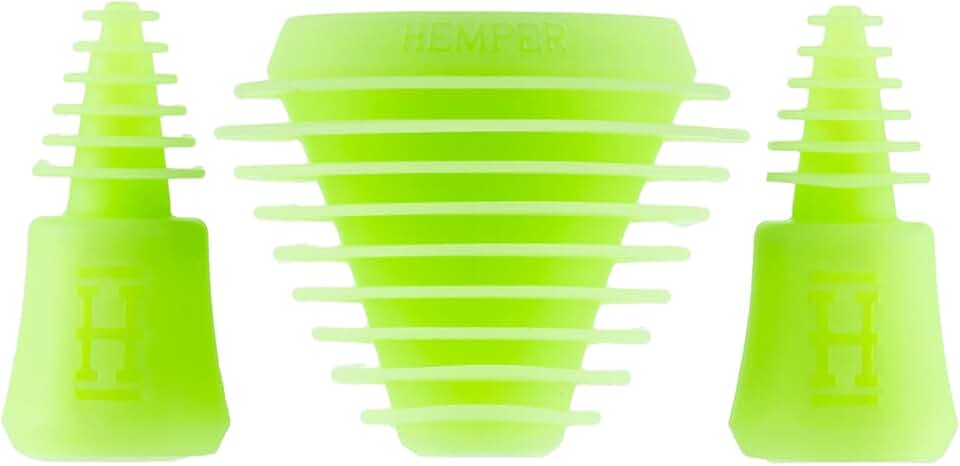
Universal fit for male and female joints · Leak-proof seal for hassle-free cleaning · Durable, reusable, and easy to use
These plugs offer a reusable and durable solution for cleaning glass pipes, reducing waste and aligning with eco-friendly consumer preferences.

Beautiful blue and purple swirl design · Includes a cleaner tool, brush, and zipper bag · Collectible straw style
This attractive glass pipe set provides a visually appealing and reusable smoking accessory, catering to consumers seeking unique and sustainable options.

32oz bottle for multiple uses · Cleanses, deodorizes, and restores glass pipes · No shaking or scrubbing required
This powerful, no-scrub cleaner offers an efficient way to maintain glass pipes, promoting longevity and reducing the need for frequent replacements, which appeals to eco-conscious buyers.

Made from durable borosilicate glass · 4 inches in length with a 2mm wall thickness · High heat resistance suitable for various applications
These high-quality glass tubes are versatile and durable, suitable for DIY projects and industrial use, offering a sustainable material choice for various applications.

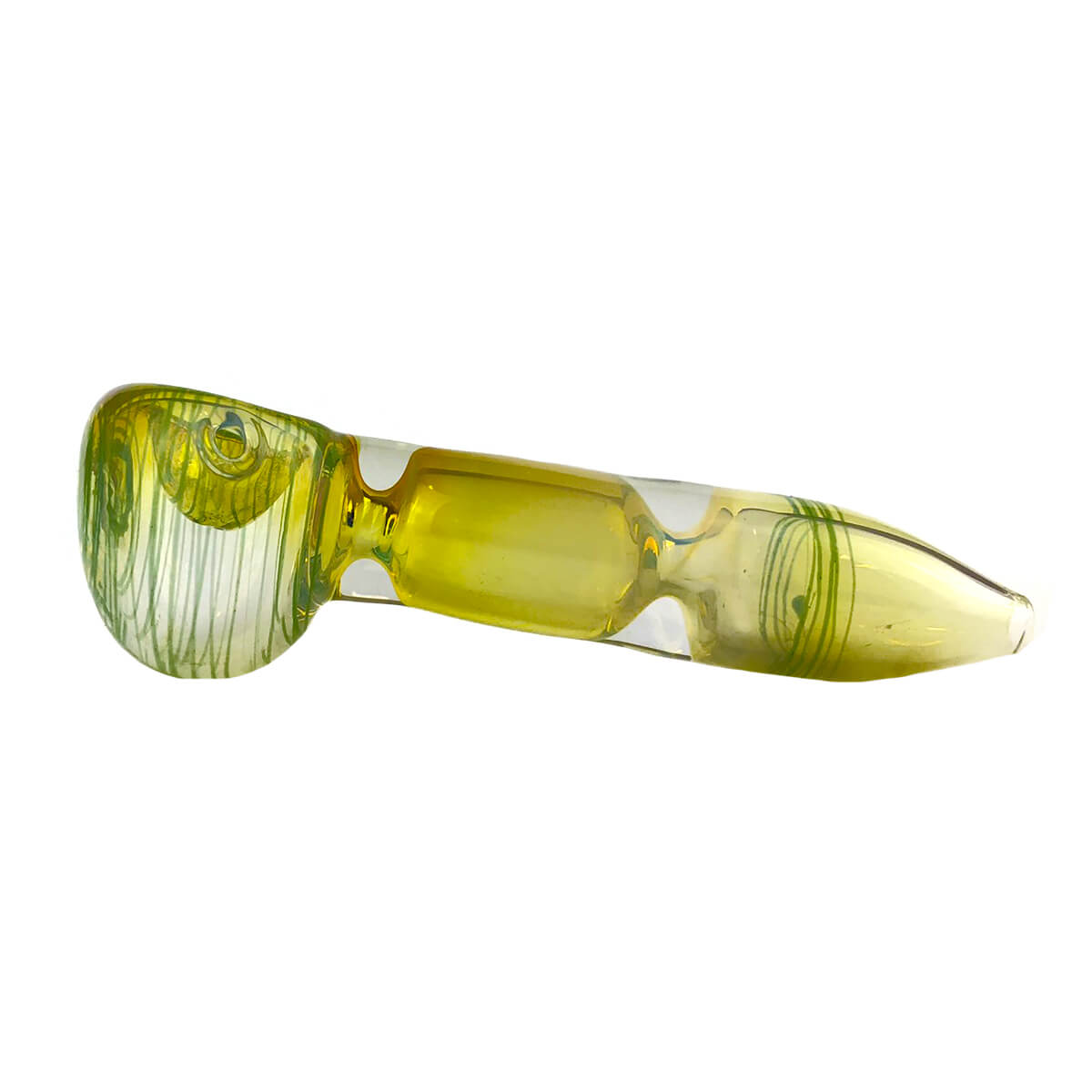
Hand-blown from recycled glass · Unique, artistic design · Durable and functional spoon pipe
Empire Glassworks' commitment to using recycled glass in their artistic pipes directly addresses the growing demand for products made from reclaimed materials, making it a prime choice for eco-conscious retailers.
As an Amazon Associate I earn from qualifying purchases. Prices may vary.
Packaging & Shipping: Reducing the Footprint
Sustainable packaging is often an afterthought, but it’s a crucial part of the equation. Switching to recycled cardboard boxes, biodegradable packing peanuts, and minimal plastic wrapping can make a big difference. Consider using paper tape instead of plastic tape, and avoid excessive void fill.
Shipping also has a significant environmental impact. Retailers can explore options for consolidating shipments to reduce the number of packages being transported. Offering carbon-neutral shipping options, even if it means absorbing some of the cost, can appeal to eco-conscious customers. Partnering with shipping carriers that prioritize sustainability is another step in the right direction.
It’s important to be realistic. Shipping will always have an environmental impact. But by making conscious choices about packaging and transportation, retailers can minimize that impact and demonstrate their commitment to sustainability. Transparency is key – clearly communicate your packaging and shipping practices to your customers.
Consumer Demand: What the Data Shows
While concrete data specifically on eco-friendly smoking accessories is still emerging, broader market research indicates a strong and growing demand for sustainable products across all categories. A 2023 report by NielsenIQ found that 73% of consumers globally say they’d change their consumption habits to reduce their impact on the environment.
Anecdotal evidence from industry forums and blogs suggests that this trend is also playing out in the headshop market. Retailers are reporting increased customer inquiries about sustainable products and a willingness to pay a premium for items that align with their values. Social media is also amplifying this demand, with consumers actively seeking out and sharing information about eco-friendly brands.
The demographics of eco-conscious smokers tend to skew younger, with Gen Z and Millennials leading the charge. These consumers are more likely to be informed about environmental issues and more willing to support brands that are making a positive impact. Targeting these demographics with marketing messages that highlight your sustainability efforts can be highly effective.


No comments yet. Be the first to share your thoughts!