

Why bulk glass pipes still lead sales
Wholesale glass pipes remain a foundational revenue driver for smoke shops, offering a rare combination of high turnover and reliable margins. Unlike volatile fashion trends or seasonal novelty items, hand pipes serve as a consistent entry point for both new and experienced smokers. Their low unit cost allows retailers to maintain healthy markups while keeping shelf space efficient. This category acts as the backbone of accessory sales, often driving impulse purchases at checkout counters where visibility matters most.
The appeal lies in the variety of styles available through bulk distribution. Retailers can stock classic spoon pipes alongside more distinctive options like frit glass or color-changing pieces that catch the eye. These variations cater to different customer preferences without requiring specialized storage or handling. The diversity of shapes and colors ensures that shops can appeal to a broad demographic, from budget-conscious buyers to collectors seeking unique designs.
<Image src="/cdn/articles/6cd592e9-2786-4688-9829-4d0d7ca2a921-b02721d8.jpg" alt="Trends in Wholesale Glass Pipes" />
Stocking a wide range of glass pipes also helps shops stand out in a crowded market. By curating a selection that includes both timeless classics and trending styles, retailers can attract repeat customers who appreciate the breadth of choice. This strategy reduces the risk of over-investing in any single style, as the core demand for functional, affordable smoking accessories remains steady. The result is a stable, high-volume product line that supports overall store profitability.
Color-changing and frit styles dominate
Shelves stocked with standard clear or amber glass are competing with pieces that offer immediate visual feedback. Color-changing and frit styles have moved from niche novelty to high-velocity inventory drivers. These pieces leverage thermal reactions and suspended glass textures to create an "impulse buy" moment at the point of sale. For headshop suppliers, stocking these items is less about the smoking experience and more about capturing attention in a crowded retail environment.
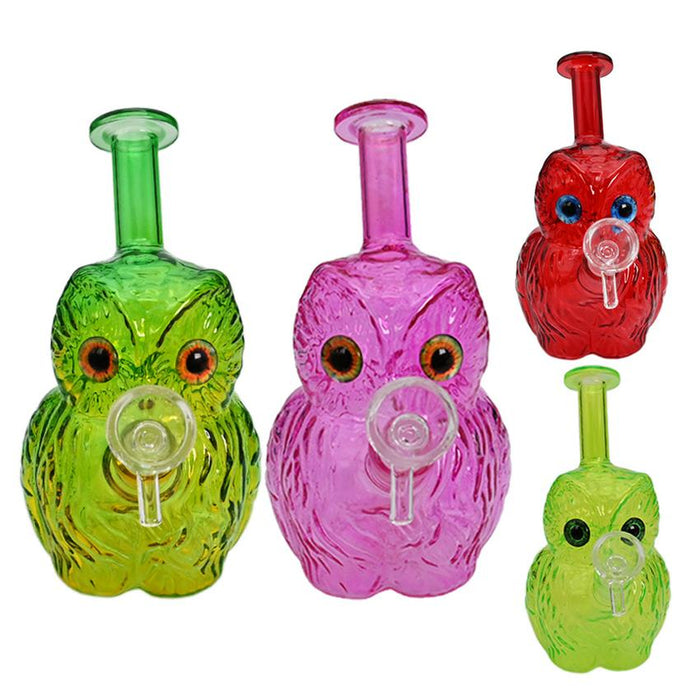
The mechanics behind these trends are straightforward but effective. Color-changing glass contains thermochromic pigments that shift hue when exposed to heat, providing a dynamic visual cue during use. Frit glass, conversely, relies on suspended chips of colored glass within a clear matrix, creating a dense, textured appearance that catches light differently than standard blown glass. Both styles signal quality and modern design without requiring the customer to understand the underlying chemistry.
Popular aesthetic drivers in wholesale glass
-
Thermochromic Shifters
Glass that transitions from dark to bright colors (or vice versa) when heated. These pieces serve as conversation starters and demonstrate immediate functionality to the buyer. -
Frit-Infused Cores
Clear glass containing suspended colored chips. The visual depth is created during the blowing process, offering a premium look that distinguishes these pipes from solid-colored alternatives. -
Spiral and Striped Patterns
Twisted color applications that create a hypnotic visual effect. These designs are particularly popular in smaller hand pipes where the pattern is fully visible from all angles.
Retailers benefit from this trend because these items often command a higher margin than basic utility pipes. The visual appeal reduces the friction of the purchase decision, allowing customers to select a piece based on aesthetic preference rather than just price or size. By curating a selection that includes these high-impact designs, suppliers can increase average order value and attract customers looking for unique additions to their collection.
Borosilicate durability meets bulk pricing
Use this section to make the Wholesale Glass Pipes decision easier to compare in real life, not just on paper. Start with the reader's actual constraint, then separate must-have requirements from details that are merely nice to have. A practical choice should survive normal use, maintenance, timing, and budget. If a recommendation only works in an ideal situation, call that out plainly and give the reader a fallback path.
| Factor | What to check | Why it matters |
|---|---|---|
| Fit | Match the option to the primary use case. | A good deal still fails if it does not fit the job. |
| Condition | Verify age, wear, and service history. | Hidden condition issues erase upfront savings. |
| Cost | Compare purchase price with likely upkeep. | The cheapest option is not always the lowest-cost option. |
Novelty shapes drive impulse purchases
Wholesale glass pipes that break from the standard spoon shape serve as high-margin impulse buys for headshops. These unique items—ranging from animal figures to abstract art pieces—capture attention in a crowded retail environment, encouraging customers to add them to their cart alongside more utilitarian accessories.
Retailers stock these novelty designs to increase average order value. A customer who comes in for a basic bowl may leave with a hand-blended glass pipe shaped like a dragon or a color-changing vessel. The visual appeal of these pieces transforms a routine purchase into a discovery experience, driving sales without requiring significant marketing effort.
Concrete examples of this trend include frit glass pipes, which feature embedded colored glass shards that create a textured, artistic look. Similarly, heat-sensitive pipes that shift color when heated offer an interactive element that appeals to buyers seeking something distinct. These styles are particularly effective for younger demographics and collectors who view smoking accessories as wearable art or conversation pieces.
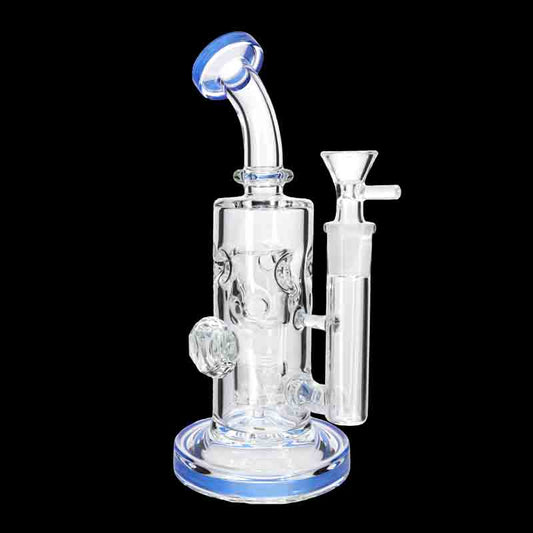
By curating a selection of these eye-catching wholesale glass pipes, retailers can differentiate their inventory from competitors. The key is to balance novelty with quality, ensuring that the artistic design does not compromise the functionality of the pipe. When done correctly, these unique shapes become signature items that customers return to buy again or recommend to others.
Choosing reliable headshop wholesale suppliers
Use this section to make the Wholesale Glass Pipes decision easier to compare in real life, not just on paper. Start with the reader's actual constraint, then separate must-have requirements from details that are merely nice to have. A practical choice should survive normal use, maintenance, timing, and budget. If a recommendation only works in an ideal situation, call that out plainly and give the reader a fallback path.
The simplest way to use this section is to write down the must-have criteria first, then compare each option against those criteria before weighing nice-to-have features.
Common questions about bulk glass pipes
Retailers often hesitate when transitioning from boutique sourcing to wholesale volume. The logistics of glassware involve more than just unit cost; they require understanding minimum thresholds, shipping fragility, and material standards to protect margins.
What are typical minimum order quantities?
Most established wholesale distributors, such as Patel Smoke Inc., enforce a minimum order value rather than a strict unit count. A common threshold is $200.00, which allows retailers to mix styles—such as fritted bangers or color-changing rigs—without committing to hundreds of identical units. This structure helps smaller shops test new inventory lines with lower financial risk.
How does shipping affect glass pipe costs?
Glass is fragile, so shipping costs are rarely included in the base unit price. Suppliers typically use reinforced packaging to prevent breakage during transit, which adds to the overhead. Retailers should request a shipping quote before finalizing an order, as the cost can significantly impact the landed cost per unit, especially for heavy or oversized pieces like large bubblers.
How can I identify quality borosilicate glass?
Not all "glass" is created equal. High-quality wholesale pipes are made from borosilicate glass, which is heat-resistant and less likely to shatter under thermal stress. Lower-quality soda-lime glass may look similar but is prone to cracking. When reviewing product catalogs, look for explicit mentions of borosilicate construction to ensure durability and customer satisfaction.
No comments yet. Be the first to share your thoughts!