Wholesale water pipes market overview
The wholesale water pipes category has moved past its novelty phase into a regulated staple for smoke shop inventory. Retailers now treat glass and silicone water pipes as essential stock, driven by consistent demand rather than fleeting trends. This shift requires buyers to focus on volume efficiency, supplier reliability, and margin protection.
Demand is currently fueled by three main factors: the expansion of legal retail channels, the standardization of glassware quality, and the integration of water pipes into broader accessory bundles. Headshops are no longer sourcing single-piece novelty items; they are building curated collections that include grinders, papers, and cleaning supplies. This bundling strategy increases average order value and encourages repeat purchases.
For inventory strategists, the priority is balancing classic tube designs with modern silicone and hybrid pieces. Classic glass remains the high-volume anchor, while silicone offers durability for price-sensitive segments. Suppliers like MJ Wholesale and SPS Wholesale provide bulk access to these varied formats, allowing retailers to test new styles without significant risk.
Tracking wholesale volume trends is critical for timing orders. The following chart illustrates recent market movements, helping buyers identify seasonal spikes and plan stock levels accordingly.
How Bulk Pricing and Margins Work
Wholesale water pipe pricing is not a flat rate; it is a tiered structure designed to reward volume and inventory turnover. Buyers must understand the relationship between Minimum Order Quantities (MOQs), unit cost breaks, and raw material volatility to maintain healthy retail margins. The market has shifted from simple per-unit discounts to complex tiered pricing models that favor consistent, high-volume purchasers.
Material Costs and Retail Margins
The primary driver of wholesale cost is the material: borosilicate glass, silicone, or acrylic. Glass pipes carry higher manufacturing and shipping costs due to fragility and weight, resulting in lower wholesale margins for retailers unless sold at premium price points. Silicone offers higher durability and lower breakage rates, allowing for competitive wholesale pricing and stable retail margins even in lower-tier orders.
Retailers typically aim for a 40-60% gross margin on water pipes. A wholesale unit cost of $12 for a mid-range glass bong usually translates to a retail price of $25-$30. However, this margin shrinks significantly if the buyer cannot meet the supplier's MOQ, which often triggers higher per-unit fees or restricts access to the best tiered discounts.
Supplier MOQ and Unit Cost Comparison
Different distributors enforce varying MOQs and pricing structures. The table below compares typical entry points for major wholesale suppliers. These figures represent standard bulk pricing tiers for mid-range glass water pipes and are subject to change based on market conditions.
| Supplier | MOQ | Unit Cost (Low Tier) | Unit Cost (High Tier) |
|---|---|---|---|
| MJ Wholesale | $100 | $8.50 | $6.20 |
| SPS Wholesale | $100 | $9.00 | $6.50 |
| Lotus Glass USA | $250 | $12.00 | $9.00 |
Live Market Pricing
Wholesale prices fluctuate with raw material costs and demand. Use the widget below to check current market rates for popular wholesale water pipe categories, which serve as a benchmark for negotiating with suppliers.
Supplier landscape and sourcing channels
The wholesale water pipe market splits into two distinct tiers: direct manufacturers and large-scale distributors. Understanding this divide is essential for inventory strategy, as each channel offers different margins, minimum order quantities (MOQs), and supply chain reliability.
Direct manufacturers like Lotus Glass USA and Hara Brands control the production line. Sourcing from them typically yields higher margins per unit and greater customization options, such as private labeling or exclusive colorways. However, these relationships often require higher MOQs and longer lead times. For retailers, this model works best for high-volume staples or when launching a private label line.
Large-scale distributors, such as Prism Wholesale, aggregate products from multiple factories. They simplify logistics by offering mixed SKUs in smaller packs (e.g., 10-packs), allowing retailers to test new styles without committing to full case quantities. This model reduces inventory risk and improves cash flow, making it ideal for shops with limited floor space or those testing new market trends.
When evaluating suppliers, prioritize those with verified production capabilities and transparent shipping policies. Avoid intermediaries who add layers of markup without providing value-added services like quality control or consolidated shipping. The goal is to balance cost efficiency with supply chain resilience.
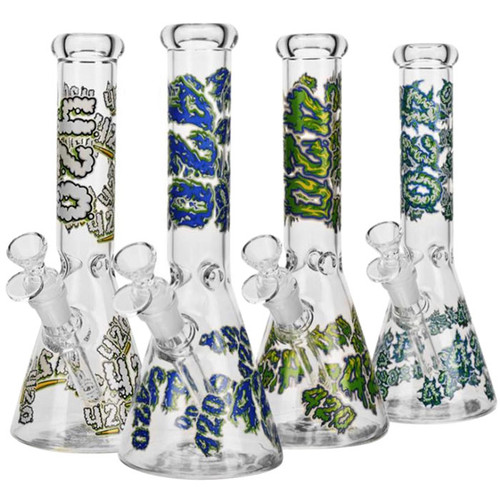
Product trends shaping inventory
The wholesale water pipes market is shifting away from generic, single-material goods toward specialized hybrids and performance-driven designs. Retailers are prioritizing durability and portability to meet consumer demand for reliable, low-maintenance accessories. This shift requires distributors to adjust their stock mixes, focusing on items with higher turnover rates and lower breakage risks.
Silicone and hybrid constructions
Silicone and silicone-glass hybrids have become essential for reducing shipping damage and appealing to travel-oriented consumers. These pieces offer flexibility and impact resistance that traditional glass cannot match, making them ideal for high-volume, low-margin retail segments. Retailers benefit from lower return rates and the ability to ship directly to customers without excessive protective packaging.
Perc-heavy glass designs
Perc-heavy glass pieces remain a staple for connoisseur markets, driving higher average order values. Complex percolation systems appeal to buyers seeking superior filtration and cooler hits, justifying premium price points. Inventory strategies should balance these specialized, higher-cost items with more accessible entry-level pieces to capture a broader customer base.
Compact travel pieces
Compact, discreet smoking accessories are gaining traction as consumers prioritize portability and stealth. Small, durable water pipes and hybrid pieces fit easily into bags and pockets, driving impulse purchases and repeat orders. Stocking a diverse range of travel-friendly options helps retailers capture this growing segment without tying up warehouse space in bulky inventory.
Shipping Fragility and Insurance
Glass bongs are high-risk freight items. Unlike vaporizers or dry herb grinders, wholesale water pipes require specialized packaging to survive transit. A single dropped box can result in total inventory loss, making insurance not an optional extra but a baseline operating cost. Most distributors offer tiered discounts on bulk orders, but these savings vanish if a significant portion of the shipment arrives shattered.
To mitigate this, buyers should verify that suppliers use double-walled corrugated boxes with ample foam or bubble wrap separation. For high-value wholesale lots, declaring full value for insurance is standard practice. Some suppliers include basic coverage in their free shipping thresholds (often over $1,000), but for larger orders, third-party freight insurance provides better protection against carrier liability limits. This step protects your margin by ensuring that damaged goods are replaced without costing you out-of-pocket.
Regulatory Compliance Across Jurisdictions
Compliance varies significantly by state and municipality. While the product itself is legal in many areas, the logistics of moving it across state lines can trigger legal complications. Federal law often restricts mailing glass smoking paraphernalia, so reputable wholesalers rely on ground shipping carriers with strict age-verification protocols at delivery. Buyers must ensure their receiving facility has a system to verify the age and legal status of the recipient at the point of delivery.
Additionally, local zoning laws may restrict where smoke shop inventory can be stored or displayed. Some jurisdictions have specific requirements for labeling or packaging transparency. Before placing large wholesale orders, verify that your business license covers the storage and resale of these items in your specific zip code. Ignoring these nuances can lead to fines or the seizure of inventory, disrupting your supply chain and damaging relationships with distributors.
No comments yet. Be the first to share your thoughts!