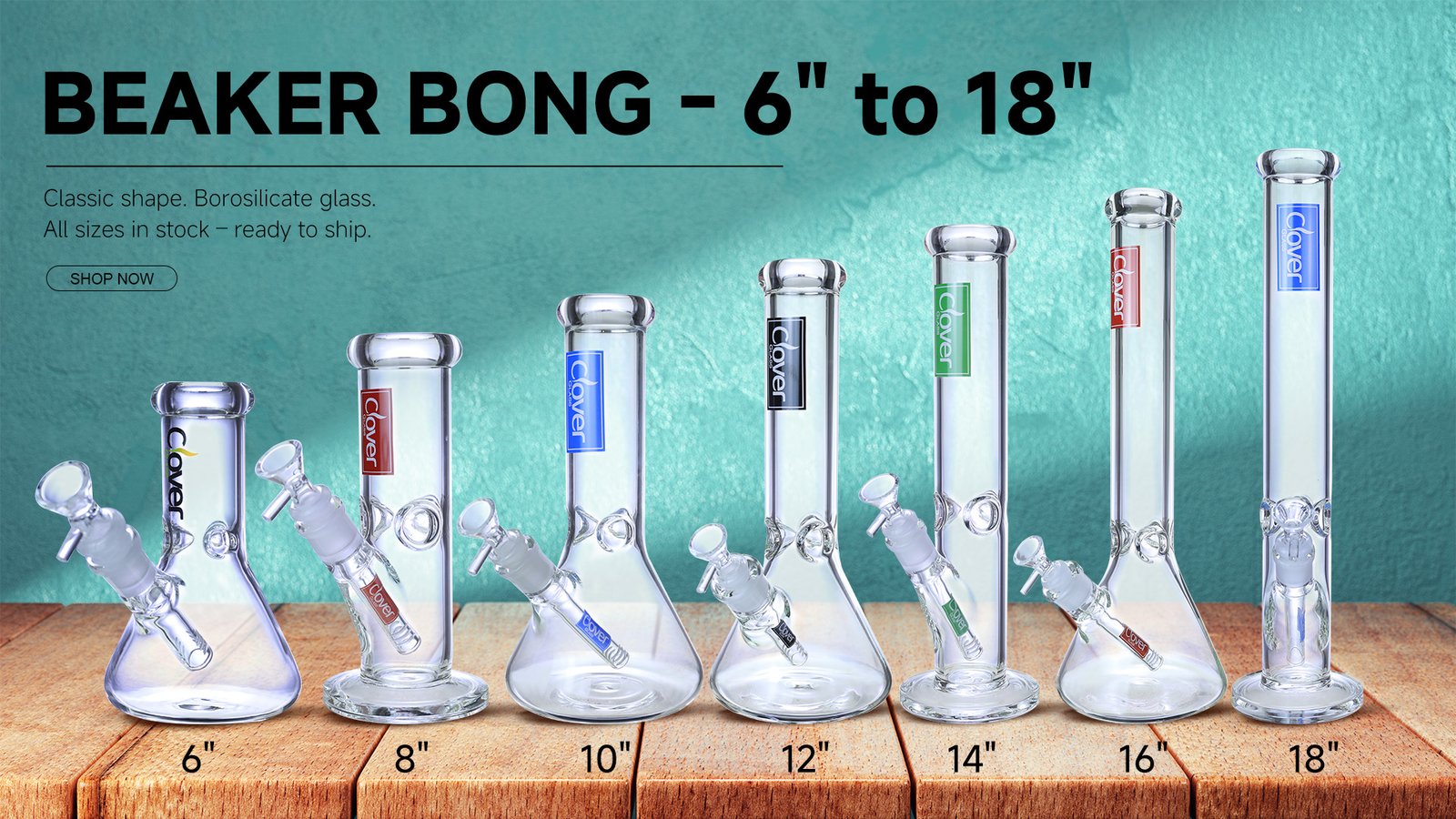

The glass bongs wholesale limits to account for
The supply chain for premium glass bongs wholesale is currently defined by a specific bottleneck: the gap between artisanal quality and bulk availability. Headshops looking to restock high-end inventory face a trade-off. They must choose between low-cost, mass-produced pieces that lack durability or authentic hand-blown glass that often requires minimum orders that strain cash flow.
Major distributors like MJ Wholesale and SPS Wholesale dominate the B2B space, but their models differ significantly. MJ Wholesale offers a broad catalog of classic tubes and novelty pieces at competitive B2B prices, suitable for high-volume turnover. In contrast, SPS Wholesale operates on a stricter wholesale-only model with a $100 minimum order, catering more to established shops that need consistent, specialized inventory rather than casual experimentation.
For retailers, the constraint isn't just price; it's reliability. Sourcing premium glass in bulk requires vetting suppliers for breakage rates and shipping integrity. A single damaged shipment can wipe out the margin on an entire order. Therefore, successful headshops prioritize suppliers who offer clear B2B terms, fast shipping options, and transparent return policies for defective items. This reliability ensures that the "premium" label on the shelf matches the product that actually arrives intact.
Glass bongs wholesale choices that change the plan
Buying glass bongs wholesale requires balancing upfront cost against long-term durability and brand recognition. A lower purchase price often correlates with thinner glass or less rigorous quality control, which can lead to higher return rates and customer dissatisfaction. Conversely, premium American-made pieces from distributors like Lotus Glass USA offer higher initial margins but demand a larger minimum order investment. Understanding these tradeoffs helps headshop owners build inventory that moves quickly without sacrificing reputation.
Quality vs. Price
The most significant tradeoff lies in glass thickness and construction quality. Standard wholesale bongs often use softer, thinner glass to keep costs down, making them prone to chipping during shipping or daily use. Premium suppliers typically use thicker borosilicate glass, which withstands temperature shocks and physical impact far better. While the per-unit cost is higher, the reduced breakage rate and longer product lifespan often result in better net margins. Customers are increasingly willing to pay a premium for pieces that last, making quality a competitive advantage rather than just a cost center.
Brand Recognition vs. Margin
Established brands like Hara Brands or MJ Wholesale offer products with built-in customer trust, which can accelerate sales velocity. However, this recognition comes at a price; branded items carry lower wholesale margins compared to unbranded or lesser-known manufacturers. Distributors with wide catalogs, such as SPS Wholesale, often allow buyers to mix branded and generic items to balance their inventory. This hybrid approach lets shops attract traffic with recognizable names while protecting overall profitability through higher-margin generic options. Evaluating the sales velocity of specific brands against their cost basis is essential for optimizing stock.
Minimum Order Quantities (MOQs)
Minimum order requirements dictate cash flow and storage needs. Some wholesalers, like SPS Wholesale, enforce strict minimums (e.g., $100 minimum) to qualify for B2B pricing, while others may require bulk case purchases. Higher MOQs secure better per-unit pricing but tie up capital in inventory. Smaller shops should calculate their turnover rate carefully; holding excess stock of slow-moving designs can lead to dead inventory. Negotiating flexible MOQs or starting with smaller test orders for new styles can mitigate this risk while allowing buyers to gauge market demand before committing to large purchases.
| Factor | Lower Cost Options | Premium/Branded |
|---|---|---|
| Glass Thickness | Often thinner, higher breakage risk | Thicker borosilicate, durable |
| Brand Trust | Generic, requires marketing effort | Recognizable, faster sales velocity |
| MOQ Requirements | Often flexible or lower minimums | Higher minimums, better unit pricing |
| Margin Potential | Higher per-unit margin, lower volume | Lower margin, higher volume potential |
Choose the next step
Glass Trends works best as a clear sequence: define the constraint, compare the realistic options, test the tradeoff, and choose the path with the fewest hidden costs. That order keeps the advice usable instead of decorative. After each step, pause long enough to check whether the recommendation still fits the reader's actual situation. If it depends on perfect timing, unusual access, or a best-case budget, include a simpler fallback.
Spotting Weak Options in Wholesale Glass
Bulk pricing on premium glass bongs wholesale is reshaping headshop inventory, but not every supplier delivers genuine value. Many wholesalers list attractive base prices that hide significant trade-offs, leaving retailers with stock that doesn't move. To protect your margins, you need to look past the sticker price and evaluate the actual quality and reliability of the supply chain.
A common mistake is selecting suppliers who offer no public sales visibility or lack transparent tiered pricing. For instance, some major wholesalers like SPS Wholesale require a $100 minimum and restrict public access, which can limit your ability to compare options easily. Similarly, while MJ Wholesale offers a broad range of classic tubes and bubblers, you must verify if their "competitive B2B prices" actually undercut your current costs after accounting for shipping and handling fees.
Focus on concrete checks rather than broad promises. Ask for recent production samples to test glass thickness and joint stability. Verify if the supplier offers consistent restocking for popular models, as inconsistent inventory can lead to dead stock. By prioritizing suppliers with clear, accessible pricing structures and proven reliability, you can build an inventory that supports sustainable growth rather than chasing fleeting discounts.
Glass bongs wholesale: what to check next
Buying glass bongs in bulk requires a different approach than retail shopping. You are managing inventory risk, logistics, and margin simultaneously. These practical questions address the most common hurdles head shops face when scaling their water pipe selection.
No comments yet. Be the first to share your thoughts!