
Wholesale glass pipes
Buying wholesale glass pipes requires balancing visual appeal with shipping durability. The market is split between durable borosilicate pieces for daily use and delicate artistic works that need specialized packaging. Retailers typically source from specialized smoke shop distributors who understand the fragility of the product.
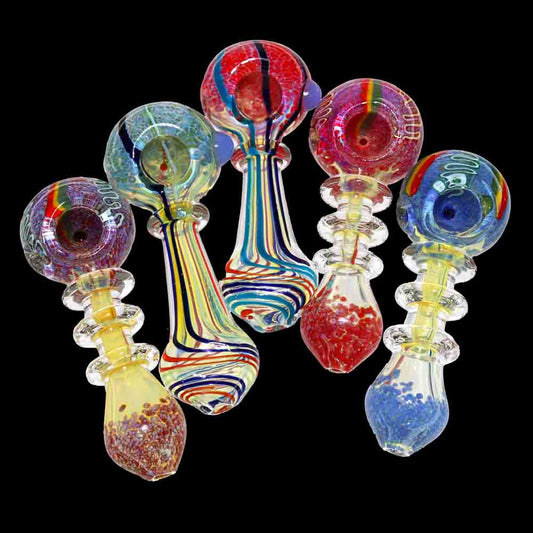
Most distributors stock classic spoon pipes, pocket-friendly hand pieces, and more complex water pipes. When evaluating suppliers, check their packaging standards first. A supplier offering low unit costs but high breakage rates will erase your margin. Look for vendors who use double-boxing or foam inserts for larger items.
Online sourcing has become the norm for most retailers. You can buy a glass pipe online from major distributors that ship nationwide. These platforms allow you to filter by material thickness, joint size, and color. This convenience lets you stock a diverse inventory without visiting multiple physical warehouses.
Wholesale glass pipes choices that change the plan
When sourcing wholesale glass pipes, you are balancing three competing priorities: durability, margin, and visual appeal. A pipe that looks stunning in a boutique display might shatter during shipping, while a durable borosilicate tube may lack the artistic flair that drives impulse buys. Understanding these tradeoffs helps you build an inventory mix that satisfies both budget-conscious customers and collectors.
The following table compares common wholesale glass pipe categories based on material science, typical price points, and retail viability. These factors determine not just your cost of goods, but your return rate and customer satisfaction.
| Pipe Type | Material | Durability | Wholesale Cost | Best For |
|---|---|---|---|---|
| Standard Borosilicate | Borosilicate Glass | High | $2 - $5 | Daily users, low breakage risk |
| Artisan Hand-Blown | Soft Glass / Lead Crystal | Low to Medium | $8 - $20 | Collectors, gift buyers |
| Color-Changing | Thermochromic Glass | High | $4 - $8 | Novelty seekers, younger demographic |
| Mini/Travel | Borosilicate or Plastic | Medium to High | $1 - $3 | Discreet use, impulse add-ons |
Standard borosilicate glass is the industry workhorse. It withstands thermal shock better than soft glass, meaning fewer cracks from hot ash or cleaning with hot water. This durability keeps your return rates low, which is critical when ordering in bulk. Soft glass, often used in artisan pieces, offers vibrant colors and intricate designs but is more fragile. It appeals to customers who value aesthetics over longevity.
Mini pipes and travel-sized options typically have the highest volume turnover. They are inexpensive to source ($1–$3) and easy to sell as add-on items at checkout. Artisan pieces command higher margins per unit but sell less frequently. A balanced wholesale order often includes 60–70% durable, mid-range pieces and 30–40% high-margin artistic or novelty items.
Glass is heavy and fragile. When comparing wholesale suppliers, check if they include individual bubble wrap or box packaging. Unprotected bulk shipments increase breakage rates, effectively raising your cost per unit. Some suppliers offer "breakage guarantees" or replace damaged items, which is a significant advantage for high-volume retailers.
Top Wholesale Glass Pipe Categories
-
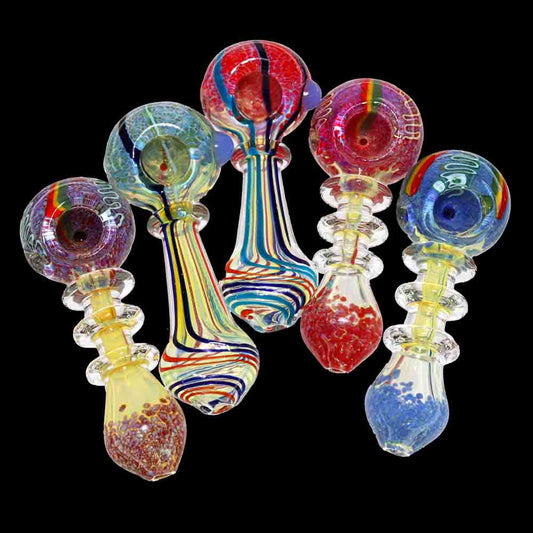
Borosilicate Spoon Pipes
The standard choice. Durable, heat-resistant, and easy to clean. Ideal for high-volume retail. -
Artisan Hand-Blown Pipes
Unique designs that drive higher margins. Best for boutique shops with a collector clientele. -
Color-Changing Pipes
Thermochromic glass that shifts color with heat. Popular for novelty and younger demographics. -
Mini Travel Pipes
Compact and discreet. High turnover rate, often sold as impulse buys at checkout.
How to Source Premium Wholesale Glass Pipes
Building a profitable inventory of wholesale glass pipes requires balancing aesthetic appeal with durability and margin. The market has shifted from generic spoon pipes to specialized pieces that drive repeat customers. Use this step-by-step framework to select suppliers and products that fit your retail floor.

Decide whether your store targets classic smokers or collectors. High-volume retailers often stock classic spoon pipes and pocket-friendly hand pipes for steady turnover. Boutique shops may prioritize color-changing frit styles or novelty pieces that command higher margins. Align your initial order with the specific demographic you serve to avoid dead stock.
Glass is fragile, so shipping protocols matter as much as price. Request sample orders to inspect joint strength, glass thickness, and packaging standards. Reputable distributors like MJ Wholesale or GlassEXNC provide detailed catalogs, but you must verify their current damage replacement policies. A reliable partner should offer clear warranties for broken items upon arrival.
Wholesale pricing is only half the equation. Factor in shipping fees, potential import duties, and storage costs before setting retail prices. Compare the cost per unit against competitors like Grasscity to ensure your markup remains competitive. Aim for a minimum 40-50% gross margin on glass pieces to cover operational overhead and potential shrinkage.

Avoid over-indexing on a single style. A healthy inventory mix includes 60% proven sellers (classic shapes, reliable colors) and 40% experimental pieces (unique textures, limited editions). This strategy mitigates risk while allowing you to test new trends. Start with smaller quantities of novelty items to gauge local interest before committing to larger bulk orders.
Watch for weak options and misleading claims
Sourcing premium wholesale glass pipes requires a sharp eye for quality control. The market is flooded with low-grade borosilicate that cracks under heat or features weak joints that snap during shipping. Retailers often mistake thin walls for lightweight portability, not realizing these pieces compromise durability and safety. When evaluating bulk smoking accessories, check the glass thickness at the joint and the rim. A genuine premium pipe feels substantial, not flimsy.
Be wary of suppliers promising "unbreakable" glass. No glass is truly unbreakable, but high-quality borosilicate withstands thermal shock far better than soda-lime alternatives. Avoid vendors who refuse to provide material specifications or who use stock photos that obscure the actual craftsmanship. If a supplier cannot show close-ups of the fire-polished rim or the precision of the joint, skip them.
Another common pitfall is the "novelty" trap. While colorful frits and unique shapes sell, they often distract from basic functionality. A pipe that is difficult to clean or has a clog-prone design will lead to high return rates. Prioritize designs that balance aesthetics with airflow and ease of maintenance. Stick to reputable distributors like Spoon Wholesale or MJ Wholesale for verified inventory.
Finally, verify shipping practices. Glass is fragile, and poor packaging leads to broken stock. Ensure your wholesaler uses specialized packing materials like bubble wrap and rigid boxes. Broken inventory eats directly into your margins. Always order a sample first to test the packaging integrity and glass quality before committing to a bulk order.
Wholesale glass pipes: what to check next
Retailers often hesitate when sourcing glassware due to breakage risks, shipping costs, or unclear wholesale terms. Answering these practical questions upfront helps you choose the right supplier and protect your margins.
No comments yet. Be the first to share your thoughts!