
Wholesale glass pipes budget
Retailers navigating wholesale glass pipes must balance unit cost against durability and perceived value. The market splits into three distinct tiers, each serving a different customer profile and shelf strategy.
Entry-level ($1–$5)
These are high-volume, low-margin items. Typically made from soda-lime glass, they are thin and fragile but appeal to price-sensitive buyers or those seeking novelty. They function as impulse buys at checkout counters rather than core inventory. Expect breakage rates to be higher, which impacts net profit margins.
Mid-range ($6–$15)
This is the sweet spot for most headshops. Hand-blown pieces here offer thicker walls, better percolation, and more consistent color. They appeal to regular users who want reliability without the premium price tag of artisan work. Sourcing from reputable wholesalers like SPS Wholesale ensures these pieces meet basic quality standards.
Premium ($16+)
Artisan and designer glass commands higher prices but moves slower. These pieces serve as visual anchors for the shop, attracting collectors and high-spending customers. While they boost average order value, they require careful handling and insurance against breakage during shipping and display.
Bulk accessories
Don't overlook bulk accessories. Cleaning supplies, screens, and replacement bowls often provide better margins than the pipes themselves. Bundling these with glass pipe purchases can increase the total transaction value without requiring additional shelf space.
Compare the strongest wholesale glass pipes
Retailers stocking glass pipes need to balance durability, margin, and aesthetic appeal. The market has shifted toward borosilicate glass for its heat resistance, but classic soda glass still holds volume for lower price points. Below is a comparison of four common categories found in wholesale catalogs from distributors like SPS Wholesale and MJ Wholesale.
| Pipe Type | Material | Price Point | Best Use Case |
|---|---|---|---|
| Classic Spoon | Soda-Lime Glass | Low | High-volume impulse buys |
| Borosilicate | Borosilicate Glass | Medium | Durability and heat resistance |
| Color-Changing | Heat-Sensitive Coating | Medium-High | Novelty and visual appeal |
| Frit Glass | Soda-Lime with Frit | Medium | Decorative shelf presence |
Soda-lime pipes remain the entry-level standard. They are inexpensive to produce and easy to source in bulk lots, making them ideal for high-turnover racks. However, they are more prone to thermal shock than borosilicate options. Retailers often position these as the "first pipe" for casual users or as low-cost add-ons at checkout counters.
Borosilicate glass is the workhorse for quality-focused shops. It withstands higher temperatures and resists cracking, justifying a higher wholesale cost. These pipes appeal to experienced users who prioritize longevity over disposable pricing. Stocking a mix of both types allows retailers to capture both price-sensitive and quality-driven segments.
Novelty styles like color-changing or frit glass pipes serve a different purpose. They act as visual merchandising tools that draw attention to specific display areas. While their unit cost is higher, the perceived value allows for better margins on individual units. These pieces are less about utility and more about creating a distinctive store aesthetic.
Inspect the expensive parts
Wholesale glass carries thin margins and high breakage risk. A single cracked downstem or cloudy bowl can ruin a batch’s perceived quality. Use this checklist to catch expensive failure points before they leave your warehouse.

Inspect the seam where the bowl meets the pipe body. Weak joints are the first to fail during shipping. Look for thin glass or uneven thickening at the connection point. Gentle pressure should not cause any flex or creaking.
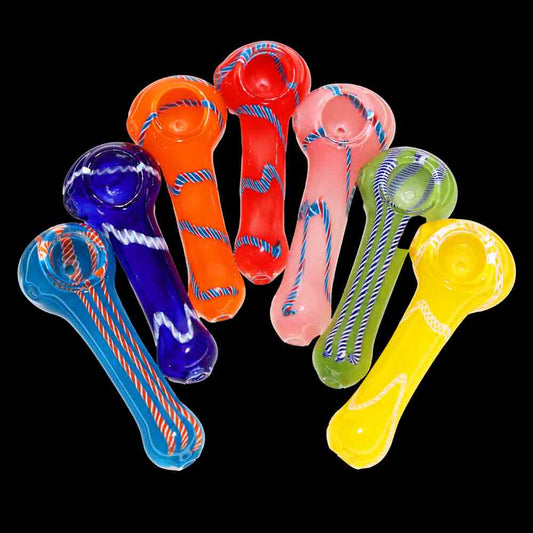
Confirm the carb hole is clear and properly positioned. A misaligned carb makes the pipe difficult to clear, leading to customer returns. Check that the bowl is deep enough to hold a standard load without ash falling through the carb.
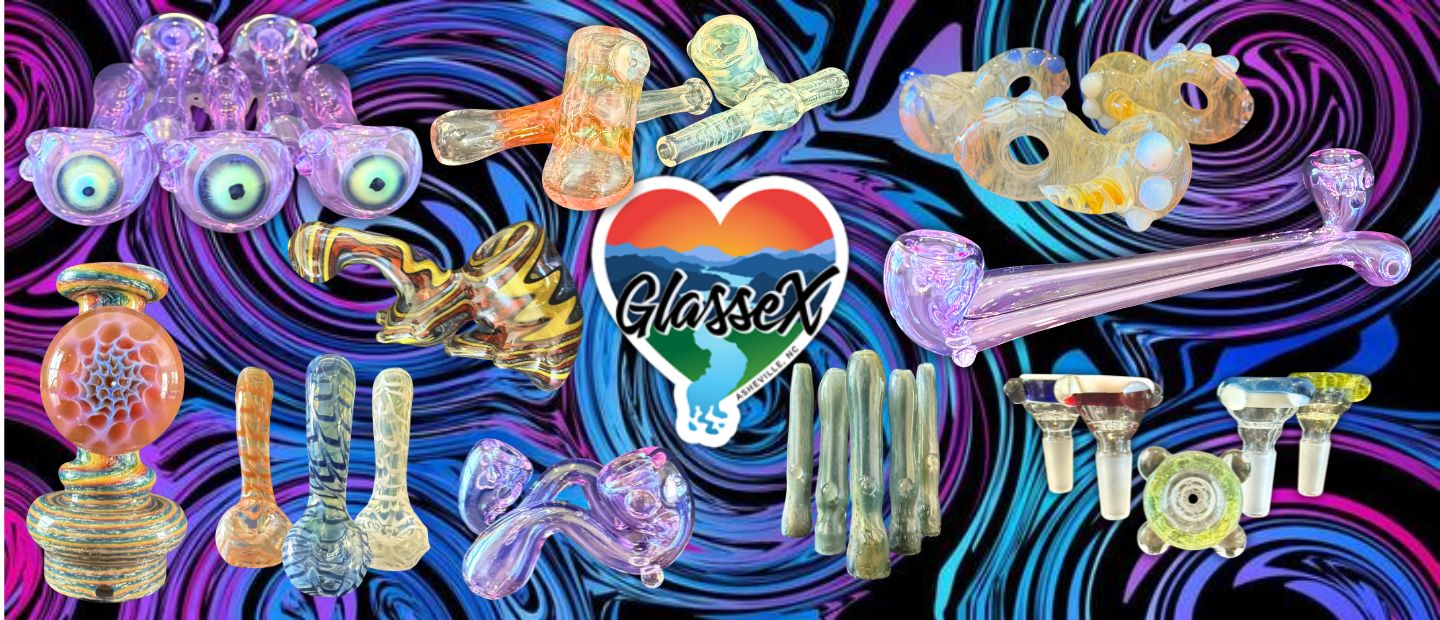
Hold the pipe up to a light source. Internal stress cracks often appear as faint lines near the stem or base. These defects are invisible from the outside but will shatter under heat. Reject any piece with visible internal fracturing.

Run your finger along the mouthpiece. Rough edges or sharp glass can cut lips during use. A smooth finish is essential for user comfort. If the glass feels abrasive, it needs additional polishing or should be discarded.
Skipping these checks leads to higher return rates and damaged brand reputation. A few minutes of manual inspection per unit saves significant restocking costs later.
Plan for ownership costs
Wholesale glass pipes often look like a bargain at the checkout, but the real expense usually shows up weeks later. A $2 glass pipe that chips after a single drop costs more than a $10 pipe that survives a year of shelf stocking and customer handling. When you buy in bulk, breakage isn't just a minor inconvenience; it is a direct hit to your margin that can erase the savings from low unit costs.
The cheapest pipes are typically made with thinner glass and less durable joints. While they appeal to price-sensitive customers, they generate more returns and complaints. Over time, the labor cost of processing refunds and restocking often outweighs the initial savings. It is better to stock mid-range glass that balances durability with an affordable price point. This approach reduces the frequency of replacements and keeps your inventory stable.
Maintenance also plays a role in long-term costs. Heavy resin buildup requires more frequent deep cleaning, which can degrade the glass over time. Pipes with simple, open designs are easier to clean and last longer. Avoid overly complex novelty pieces that trap residue in hard-to-reach areas. Choosing durable, easy-to-clean designs protects your investment and keeps customers coming back.
Wholesale glass pipes: what to check next
Before stocking your headshop, it helps to understand the practical realities of sourcing glass pipes in bulk. Retailers often face specific hurdles regarding pricing tiers, platform restrictions, and minimum order quantities. The following questions address the most common objections and logistical concerns for wholesale buyers.
No comments yet. Be the first to share your thoughts!