
Get wholesale glass pipes right
Before placing bulk orders, define your target customer and price points. Wholesale glass pipes range from $2 to $15 per unit, depending on artistry and durability. A mixed inventory strategy works best: stock durable, low-cost pieces for high-volume foot traffic, and reserve artisanal or novelty items for higher margins.
Start by verifying supplier reliability. Reputable distributors like SPS Wholesale and MJ Wholesale offer curated collections of hand pipes, rigs, and accessories, but you must audit their shipping policies and return windows. Glass is fragile; ensure your supplier has a clear protocol for breakage claims so you don’t eat the cost of damaged inventory.
Check local regulations before stocking. Some jurisdictions classify certain glass designs or materials as restricted. Keep records of your supplier’s product specifications to prove compliance if audited. Avoid sourcing from platforms like Amazon for bulk wholesale needs, as pricing is often inflated and bulk discounts are unavailable. Instead, build direct relationships with specialized smoke shop distributors to secure better wholesale rates and consistent stock.
How to stock premium wholesale glass pipes
Building a profitable retail display starts with selecting durable, high-quality glass that appeals to different customer budgets. You need a mix of entry-level hand pipes and premium artisan pieces to maximize your margin without cluttering your shelves. Follow this sequence to curate your inventory effectively.

Start by identifying established distributors that specialize in smoke shop supplies. Companies like Spoon Glass Wholesale and MJ Wholesale offer extensive catalogs of glass pipes, rigs, and accessories. Verify their business credentials and check for verified reviews to ensure they provide consistent stock levels and reliable shipping. Reliable suppliers reduce the risk of order delays that can leave your shelves empty during peak seasons.
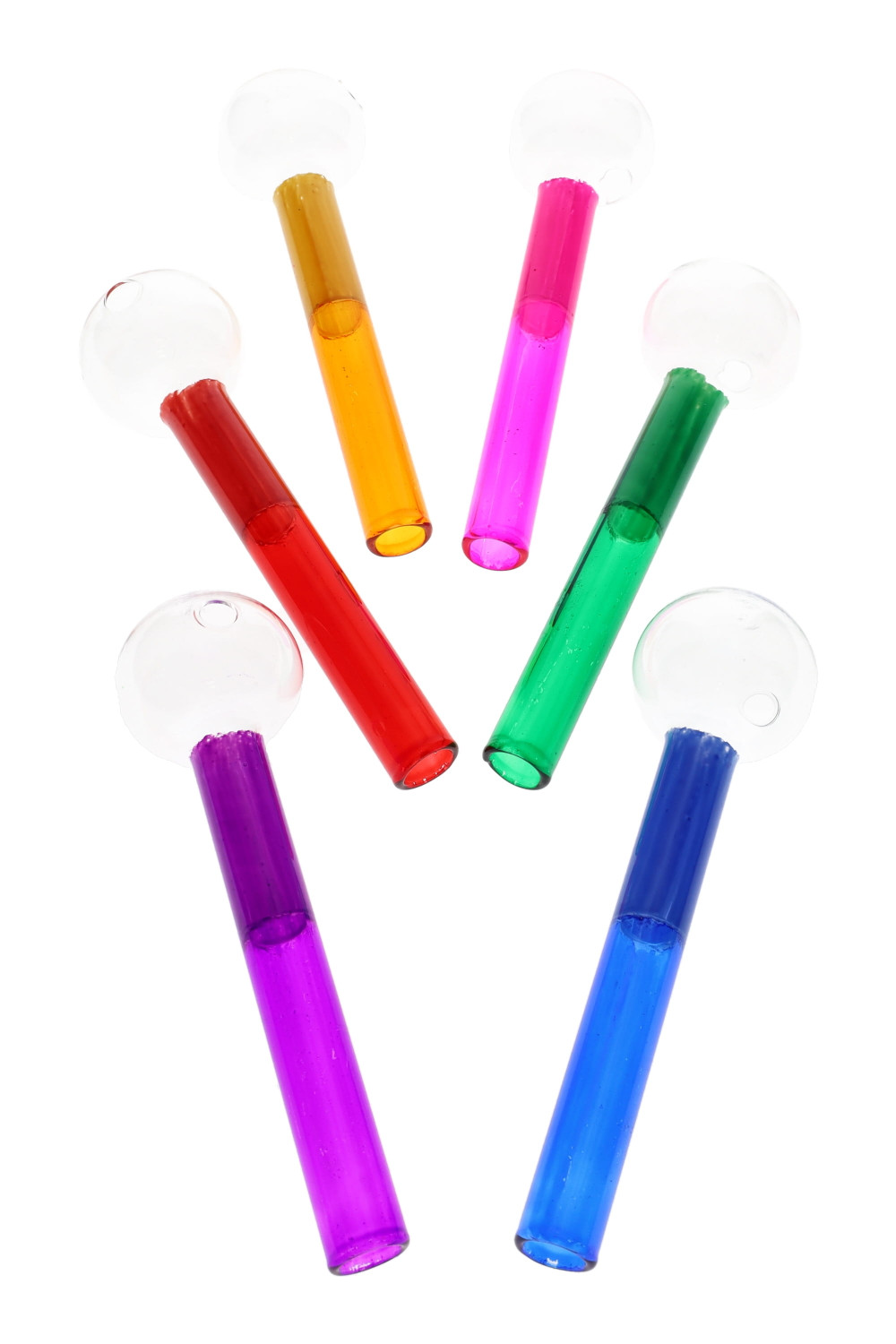
Don’t stock only one type of pipe. Mix affordable, mass-produced glass pieces with higher-end, hand-blown artisan items. This tiered approach captures both casual smokers looking for a cheap, disposable option and connoisseurs willing to pay for unique artistry. A balanced selection ensures you have products for every price point in your target demographic.
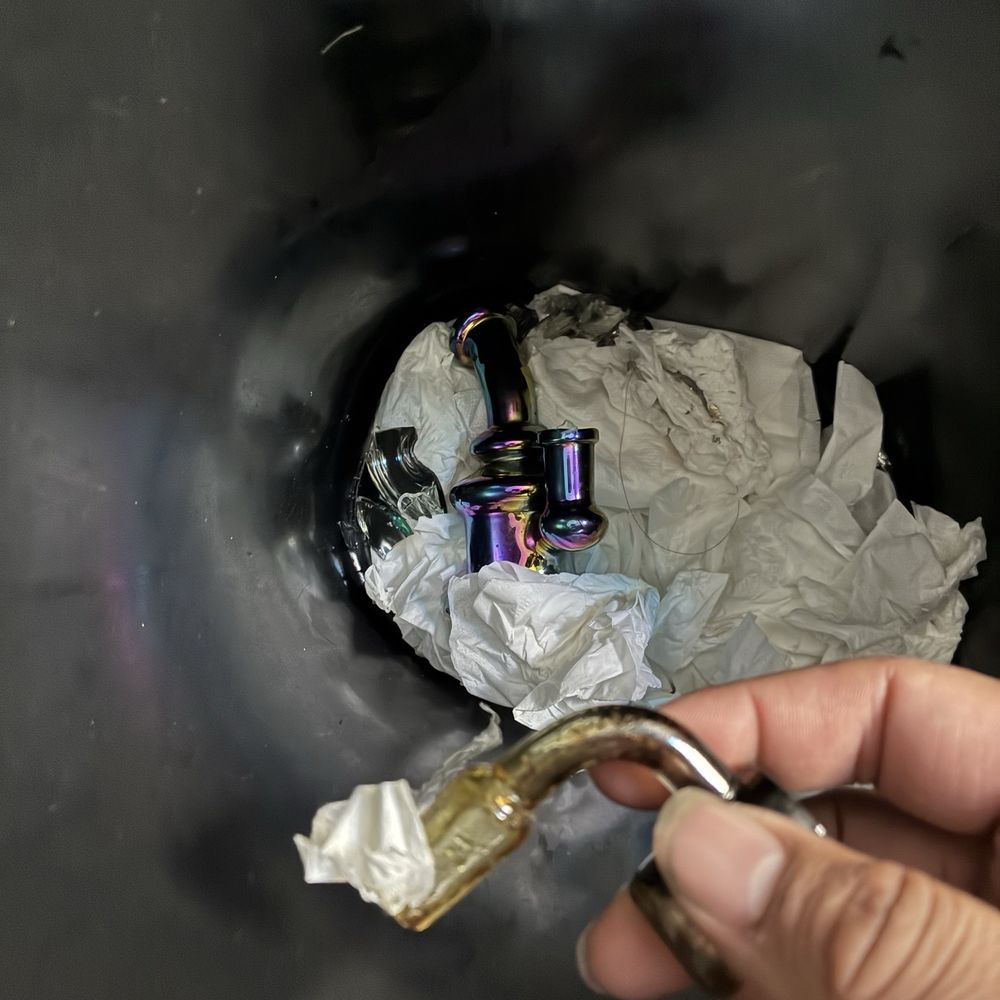
Before placing large bulk orders, request samples to test the glass thickness and joint integrity. Thin glass breaks easily during shipping and in-store handling, leading to high return rates and wasted inventory. Look for reinforced joints and consistent coloring. Quality control is essential to maintaining your store’s reputation for selling premium wholesale glass pipes that last.

Determine your target profit margin for each category. Wholesale prices vary significantly based on volume and complexity. Calculate your break-even point after accounting for shipping costs and potential breakage. Order in bulk to secure lower per-unit costs, but start with manageable quantities to test market demand for new styles before committing to large stockpiles.
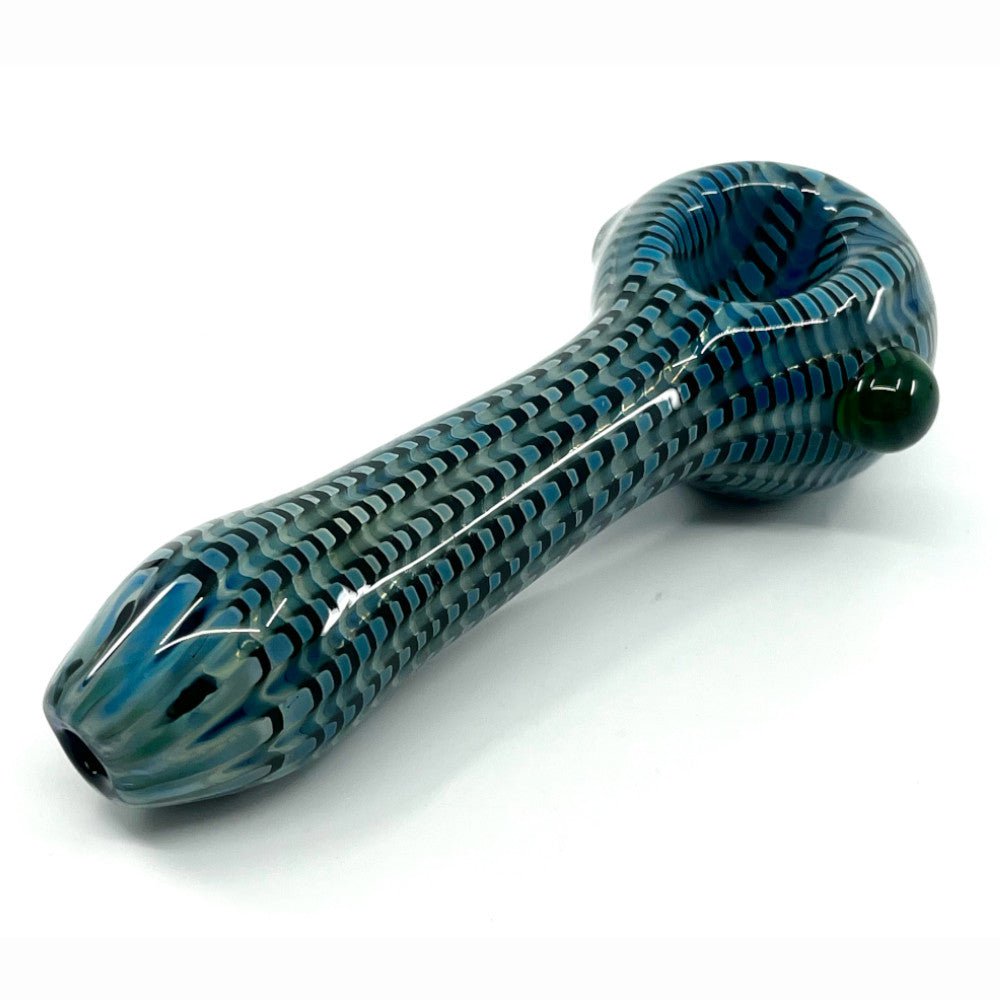
Arrange your glass pipes in clear, well-lit displays that allow customers to see the craftsmanship. Use risers to highlight premium pieces and keep high-turnover affordable items within easy reach. Secure fragile items with protective barriers to prevent breakage while shopping. An organized display encourages impulse buys and makes it easier for customers to compare options.
-
Verify supplier business credentials
-
Order samples for quality testing
-
Calculate per-unit profit margins
-
Plan durable shelf display layout
Fix common wholesale glass buying mistakes
Stocking premium wholesale glass pipes requires more than just finding the lowest price per unit. Small retailers often make purchasing errors that lead to damaged inventory, slow turnover, or customers who never return. By avoiding these specific pitfalls, you protect your margins and build a reliable product mix.
Ignoring thermal shock resistance
Not all glass is created equal. Cheap, thin glass pipes shatter easily when exposed to rapid temperature changes, such as pouring hot water into a cold pipe or using them with high-heat concentrates. This leads to high breakage rates in-store and negative customer reviews. Always test the thickness and quality of borosilicate glass before placing bulk orders. Thicker walls distribute heat more evenly, reducing the risk of thermal shock and extending the product’s lifespan.
Overlooking packaging integrity
Glass is fragile, and shipping damage is a silent profit killer. Many wholesalers offer minimal packaging to cut costs, resulting in cracked stems or broken bowls upon arrival. This not only wastes your inventory but also requires time-consuming returns processing. Insist on bubble-wrapped or foam-lined packaging for every unit. A small increase in packaging cost is negligible compared to the loss of a full case of broken glass.
Focusing solely on price
The cheapest wholesale glass pipes often have poor airflow, uneven grinding surfaces, or weak carb holes. Customers can feel these defects immediately, leading to quick dissatisfaction. Instead of buying the lowest-priced items, calculate the cost per unit including shipping and potential breakage. A slightly more expensive pipe with better craftsmanship and durable packaging often yields higher repeat sales and better customer retention.
Neglecting variety in your initial stock
Stocking only one style of pipe limits your appeal. Some customers prefer classic spoon pipes, while others seek intricate beakers or water pipes. If your initial order lacks diversity, you miss out on different customer preferences. Start with a balanced mix of popular shapes and sizes. Include both basic, affordable options and a few premium, artistic pieces to cater to different budget levels and tastes.
Skipping supplier reputation checks
Not all wholesalers are reliable. Some may send outdated stock, misrepresent product materials, or fail to honor return policies for defective items. Before committing to a large order, research the wholesaler’s reputation. Look for reviews from other smoke shop owners and verify their return and exchange policies. A trustworthy supplier ensures consistent quality and reliable delivery, which is essential for maintaining a steady retail operation.
Wholesale glass pipes: what to check next
Here are the most common questions buyers ask before stocking wholesale glass pipes.
How much does a glass pipe cost?
Wholesale costs typically range from $2 to $10 per unit, depending on complexity. Simple borosilicate spoon pipes start at the lower end, while intricate hand-blown or color-changing pieces command higher prices. You can expect to pay more for specialized rigs or heavy-duty glass. Always check if the price includes shipping, as glass is heavy and fragile.
Where can I buy bulk tobacco pipes?
Specialized wholesale distributors like Spoon Wholesale or MJ Wholesale offer the widest selection of bulk smoking accessories. These suppliers cater specifically to smoke shops and head shops, providing reliable inventory for both glass and other materials. Avoid general marketplaces for bulk orders, as they often lack the volume discounts and consistent quality control required for retail.
Does Amazon sell pipes for smoking?
Amazon strictly prohibits the sale of pipes designed for smoking tobacco or marijuana. While you may find "herbal" or "incense" pipes listed, these are often flagged and removed. For reliable wholesale inventory, stick to dedicated industry distributors. This ensures you receive genuine products that meet retail standards without the risk of account suspension or counterfeit goods.
What is the cheapest pipe to buy?
The cheapest options are simple, machine-made borosilicate glass pipes. These mass-produced items offer the lowest wholesale cost, often under $2 per unit. However, they lack the durability and aesthetic appeal of hand-blown pieces. For a balanced approach, consider mid-range hand-blown pipes that offer better quality control and customer satisfaction without the premium price tag of artisanal work.
No comments yet. Be the first to share your thoughts!