
Wholesale glass pipes budget
Finding the right wholesale glass pipes means balancing price, age, and condition. The market splits into distinct tiers, each serving a different retail purpose. Understanding these tradeoffs helps you stock shelves that move without eating into margins through returns or complaints.
Entry-level ($1–$5)
These are your volume drivers. Typically made from recycled or low-grade glass, they are durable and cheap to replace. They work well for impulse buys, travel, or customers who lose pipes often. Expect thicker walls and less intricate color work. Focus on spoon pipes and simple bangers. They sell fast but have low perceived value.
Mid-range ($5–$15)
This is where most smoke shops compete. You get better glass clarity, cleaner joints, and more consistent coloring. These pipes appeal to regular users who want something that looks good but doesn’t cost a fortune. Look for consistent branding and reliable suppliers here. The margin is healthy, and the return rate is low if the glass holds up to basic use.
Premium ($15+)
High-end art glass or specialized rigs. These are for collectors or connoisseurs. The glass is clear, the colors are vibrant, and the craftsmanship is visible. They sit on shelves longer but bring in higher per-unit profit. Stock these selectively. They require more care in handling and shipping, but they anchor your brand as a serious retailer.
Age and condition checks
New glass should be flawless. Old stock might have micro-cracks or cloudy spots from improper storage. Always inspect wholesale lots for "stress fractures"—tiny lines that weaken the pipe. If a supplier offers "used" or "salvage" glass, assume it’s for parts or recycling, not resale. Clear grading saves headaches later.
Compare Top Wholesale Glass Pipe Options
Retailers stocking glass pipes need to balance durability, design appeal, and margin. The following comparison highlights four distinct wholesale segments available from major distributors like Spoon Glass, MJ Wholesale, Hara Brands, and Roetell. These categories cover the most common customer preferences in smoke shops.
| Pipe Type | Durability | Style Focus | Best For |
|---|---|---|---|
| Classic Spoon | High | Minimalist | High-volume turnover |
| Color-Changing/Frit | Medium | Novelty | Impulse buyers |
| Borosilicate | Very High | Technical | Premium retailers |
| Pocket/Travel | Medium | Compact | Discreet use |
Classic Spoon Pipes
These are the bread and butter of wholesale inventory. Suppliers like Spoon Glass offer thousands of units in clear or colored glass. They are easy to produce, ship, and stock. Their simplicity means they appeal to a broad range of smokers who want a reliable, no-friction experience.
Color-Changing and Frit Styles
For retailers targeting younger demographics or gift buyers, novelty pipes add shelf appeal. These pieces use heat-sensitive glass or embedded frit patterns to change color or reveal designs when heated. They often command a slightly higher margin but may have a shorter lifecycle due to their decorative nature.
Borosilicate Glass
As the market shifts toward quality, borosilicate pipes are gaining traction. These are heat-resistant and less likely to shatter under thermal stress. Roetell and other specialized distributors focus on this segment for customers who view smoking accessories as durable goods rather than disposable items.
Pocket and Travel Sizes
Compact pipes fit the needs of discreet users. These are often smaller, sometimes with lids or protective cases. MJ Wholesale and similar distributors stock these in bulk for retailers looking to capture the on-the-go market. They are lighter to ship, reducing logistics costs.
Inspect the expensive parts
When buying wholesale glass pipes in bulk, a cracked bowl or a loose joint is an instant loss. You don't need to test every piece, but a quick visual check on these high-risk areas saves you from stocking defective inventory.
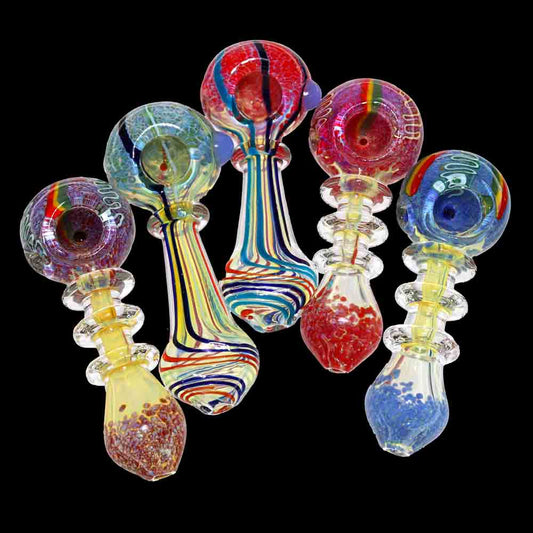
Hold the pipe to a light. Look closely at the bowl edge for tiny chips or cracks. Even a small flaw here can cause the bowl to shatter during first use. Reject any piece with visible damage to the rim.

Ensure the male and female joints slide smoothly without forcing. A joint that is too tight may crack when the buyer tries to use it. A joint that is too loose will let smoke escape, ruining the experience. Both are return reasons.

Look for stress marks or bubbles near the connection points. The stem is a thin, fragile part that often breaks during shipping. If you see hairline fractures or cloudiness where the glass is thinnest, mark it as defective.
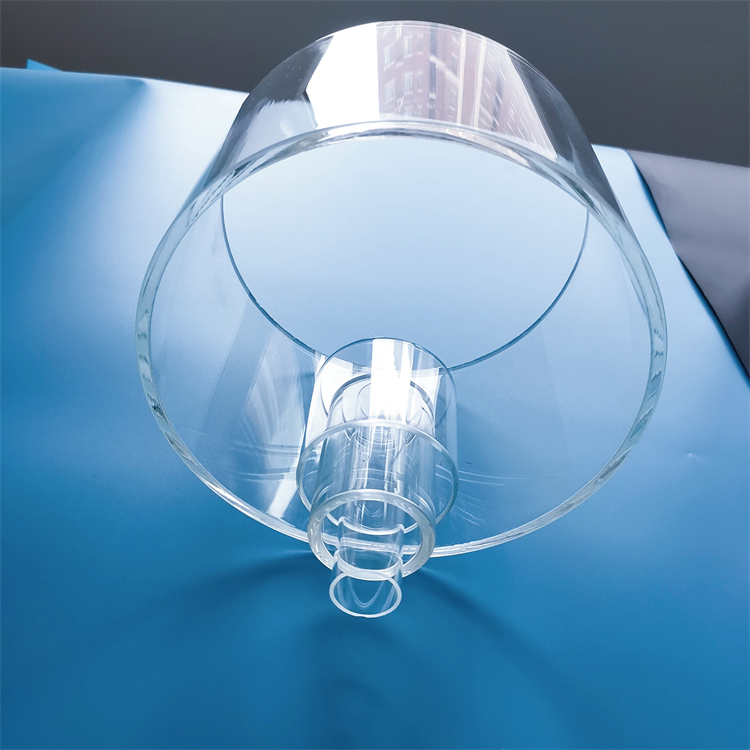
Run your finger lightly over the glass. Smooth glass feels uniform. Rough spots, sharp edges, or uneven coloring can indicate poor craftsmanship. These defects don't always break the pipe, but they signal lower quality that customers will notice immediately.
A quick inspection routine protects your bottom line. Focus on the bowl, joints, and stem first. These are the parts that fail most often and cost the most to replace.
Plan for ownership costs
The purchase price is only the first line item on a glass pipe’s total cost of ownership. Cheap wholesale lots often lack the structural integrity or chemical stability needed for long-term retail, leading to higher return rates and customer dissatisfaction. For retailers, the real metric is not what you paid per unit, but how long it stays in a customer’s hand before breaking or failing.
Maintenance and durability choices that change the plan
Not all glass is created equal. Soda-lime glass, common in low-cost novelty items, is prone to thermal shock and cracking under regular heating cycles. Borosilicate glass, while more expensive upfront, resists heat stress and physical impact far better. When evaluating wholesale options, check the thickness of the bowl and stem. Thin-walled pipes may feel premium in hand but will shatter during cleaning or accidental drops. A slightly heavier pipe with reinforced joints often costs 20% more initially but lasts three times longer in active use.
Hidden costs of "budget" stock
Beyond replacement glass, consider the cost of returns and customer support. A pipe that arrives cracked or has poor airflow will generate a support ticket. In wholesale, even a 5% return rate on cheap inventory can erase the margin gained from the lower unit price. Additionally, some low-cost glass uses unstable glazes or frits that can flake off or leach unwanted chemicals when heated. Always request samples to test durability and visual stability before committing to a bulk order.
When cheap stops being cheap
A $2 wholesale pipe that breaks in a week costs the retailer more than a $8 pipe that lasts a year. Factor in shipping costs for returns, the time spent processing refunds, and the potential loss of customer trust. For high-volume retailers, investing in mid-tier, durable glass often yields better long-term profitability than chasing the lowest possible unit cost. The goal is to sell products that customers keep, not ones they discard.
Wholesale glass pipes: what to check next
Retailers often hesitate before placing bulk orders for glass smoking accessories. The market is saturated with options, making it difficult to distinguish between durable borosilicate pieces and fragile, low-quality imports. Below are the most common practical questions from smoke shop owners looking to stock up efficiently.
Choosing the right wholesale partner requires balancing cost, quality, and logistics. Start by ordering samples to assess build quality, then negotiate terms for larger volumes. This approach minimizes risk while ensuring your shelves feature products that meet customer expectations.
No comments yet. Be the first to share your thoughts!