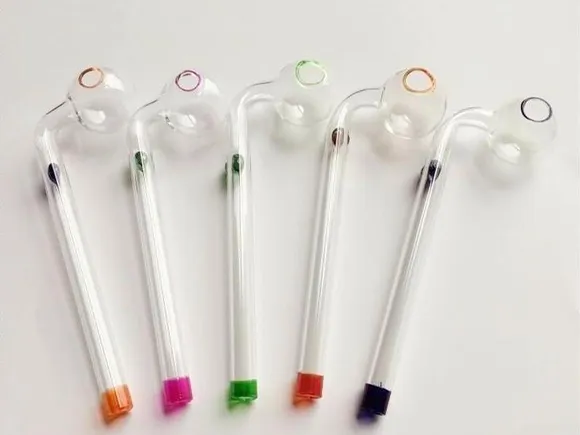

Wholesale glass pipes budget
Wholesale glass pipes budget decisions hinge on balancing age restrictions, condition, and price. Retailers stocking entry-level items must navigate strict 21+ verification while managing low-margin inventory. The cheapest pipe to buy is often a mass-produced spoon pipe, but these carry higher breakage rates and lower perceived value.
Understanding where to buy bulk tobacco pipes and glass smoking accessories separately allows for smarter bundling. Many smoke shops source glassware from specialized distributors like MJ Wholesale or SPS Wholesale, reserving Amazon for supplementary accessories. Amazon does sell pipes for smoking, but selection is limited and often lacks the durability required for retail resale.
When evaluating wholesale glass pipes budget tiers, look for clear condition grading. "Firsts" are flawless and command premium prices, while "seconds" may have minor bubbles or uneven bowls. For budget-focused retailers, seconds offer a functional entry point for price-sensitive customers, provided they are clearly labeled. Avoid mixing condition grades in the same display to maintain trust and reduce return rates.
Compare wholesale glass pipe options
Retailers need to balance durability, price, and visual appeal when stocking glass pipes. The market splits into two main categories: affordable soda-lime glass for impulse buys and borosilicate glass for customers who want heat resistance and clarity. Choosing the right mix depends on your local regulations and customer demographics.
The table below compares four common wholesale glass pipe types. These are general product categories rather than specific brand listings, as wholesale catalogs rotate inventory frequently. Use these specs to evaluate suppliers like MJ Wholesale or SPS Wholesale.
| Pipe Type | Material | Durability | Wholesale Price |
|---|---|---|---|
| Soda-Lime Spoon | Soft Glass | Low | $0.50 - $2.00 |
| Borosilicate Spoon | Hard Glass | High | $2.00 - $5.00 |
| Color-Changing | Soda-Lime | Low | $1.50 - $3.50 |
| Frit/Decal | Soda-Lime | Low | $1.00 - $3.00 |
Soda-lime glass is the industry standard for budget-friendly wholesale lots. It is inexpensive to produce, allowing retailers to stock high volumes. However, it is brittle and can shatter if dropped. This makes it ideal for impulse purchases but risky for customers who travel or handle pipes roughly.
Borosilicate glass costs more upfront but offers significant advantages. It resists thermal shock, meaning it won’t crack when exposed to direct flame for extended periods. The clarity also makes it easier for customers to inspect cleanliness. Many premium smoke shops now prioritize borosilicate stock to reduce return rates.
Novelty styles like color-changing or frit (fritter) glass rely on chemical coatings or embedded glass fibers. These designs attract attention on retail shelves but often lack the structural integrity of plain pipes. They work well as add-on items or seasonal promotions, but should not be your primary inventory driver.
Inspect the expensive parts
Use this section to make the Glass Trends decision easier to compare in real life, not just on paper. Start with the reader's actual constraint, then separate must-have requirements from details that are merely nice to have. A practical choice should survive normal use, maintenance, timing, and budget. If a recommendation only works in an ideal situation, call that out plainly and give the reader a fallback path.
-
Verify the basicsConfirm the core specs, condition, and fit before comparing extras.
-
Price the downsideLook for the repair, maintenance, or replacement cost that would change the decision.
-
Compare alternativesCheck at least two comparable options before treating one listing as the benchmark.
Plan for ownership costs
The sticker price on a wholesale glass pipe is only the first expense. Retailers often underestimate the hidden costs of inventory management, specifically breakage and the labor required to maintain product quality. A $2 pipe that arrives cracked or requires excessive cleaning before sale can quickly cost more than a $10 unit that arrives ready to display.
The breakage tax
Glass is fragile, and shipping costs are high. When buying bulk, factor in a breakage rate of 5-10% for standard shipments. If a supplier offers pipes at an unusually low price, check if they use minimal packaging. Thin cardboard inserts or lack of bubble wrap increase the likelihood of chipped bowls or shattered stems. These "dead stock" items eat directly into your margin.
Cleaning and inspection labor
Not all wholesale glass is pre-cleaned to retail standards. Many bulk suppliers ship pipes with residual manufacturing dust, oil, or debris. You must budget time for staff to inspect and clean each unit. A pipe that looks dirty on the shelf signals poor quality to customers, regardless of its artistic merit. Factoring in 30-60 seconds of labor per unit helps determine the true landed cost.
When cheap stops being cheap
Ultra-thin glass pipes are often the cheapest option per unit. However, they are prone to cracking during use or cleaning. Customers who break a pipe within weeks may return it or leave negative reviews, damaging your shop’s reputation. Investing in slightly thicker, borosilicate glass often reduces return rates and increases customer satisfaction, protecting your long-term revenue.
Wholesale glass pipes: what to check next
Retailers often face practical hurdles when sourcing glassware. These common questions address pricing, sourcing channels, and product selection to help you stock shelves effectively.
No comments yet. Be the first to share your thoughts!