
The Shift in Demand: Why Glass Pipe Designs Are Changing in 2026
The wholesale glass pipe market is in a state of noticeable change. It’s no longer enough to offer a functional piece; consumers are increasingly seeking artistry, personalization, and discretion in their smoking accessories. This shift is driven by a few factors, including a more sophisticated consumer base and evolving attitudes towards cannabis use. People are treating these items less as disposable tools and more as personal objects.
We’re seeing a clear move away from purely utilitarian designs. Customers want something that reflects their individual style or offers a unique experience. This demand for individuality is pushing retailers to diversify their offerings and stock a wider range of designs. It’s also creating opportunities for smaller, independent glassblowers to gain traction.
Regulatory considerations also play a role. The U.S. Customs and Border Protection ruling from 2008 (H013316) concerning the admissibility of glass smoking pipes highlights the ongoing need for retailers to understand and comply with federal and state laws regarding drug paraphernalia. While this ruling doesn’t directly dictate design, it emphasizes the importance of avoiding items explicitly marketed for illegal drug use, which can influence the types of designs retailers choose to stock. This impacts material choices and overall aesthetic too.
For 2026, retailers need to anticipate a market that values both quality and self-expression. Successfully navigating this landscape requires staying ahead of design trends and understanding the changing needs of the modern consumer.
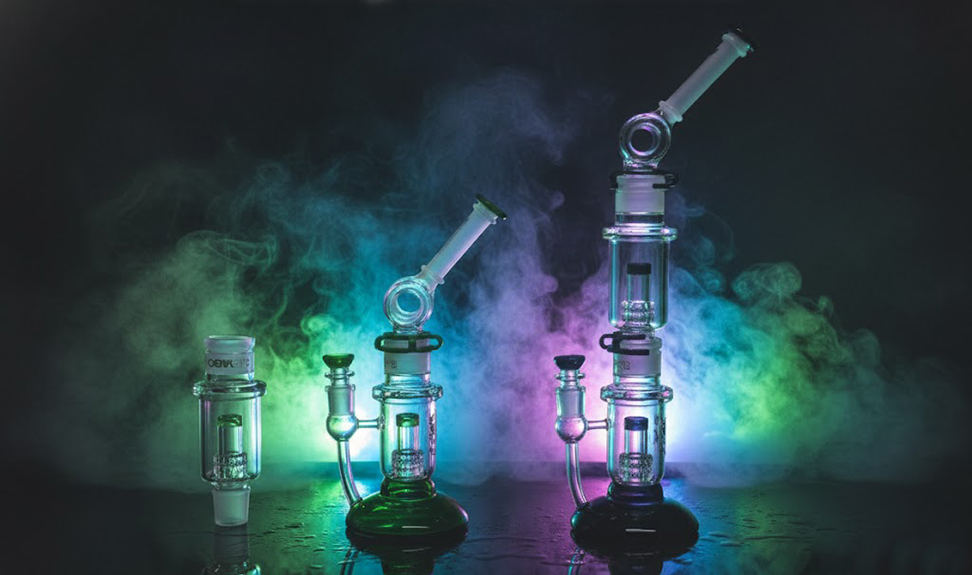
Trend 1: The Rise of the 'Micro' Pipe
One of the most significant trends we’re observing is the growing popularity of "micro" pipes. These are incredibly small, often one-hitter style pipes designed for ultimate portability and concealment. They appeal to consumers who prioritize discretion and convenience above all else. Think about someone who wants a quick, private smoke without drawing attention.
Borosilicate glass remains the dominant material for these pipes due to its heat resistance and durability, but we’re starting to see some experimentation with quartz and even certain high-heat resistant ceramics. The challenge is maintaining structural integrity at such a small scale. The price point for micro pipes varies, but generally falls between $15 and $50, though uniquely designed or artist-made pieces can easily exceed $100.
Retailers like Smoke King and various online headshops are already dedicating shelf space to these smaller pieces. They’re often marketed alongside other discreet accessories, like smell-proof containers and travel cases. The key to success with micro pipes is offering a variety of styles and price points to cater to a broad range of customers. Offering a range of colors and subtle designs is crucial.
These aren’t necessarily high-margin items, but they drive foot traffic and encourage impulse purchases. They are a great entry-level product for new customers as well.
- Key Features: Portability, discretion, affordability
- Materials: Borosilicate glass, quartz, ceramics
- Price Range: $15 - $100+
Micro Pipe Hotspots: 5 Retailers & Their Picks
- Smoke King - Known for catering to a broad demographic, from seasoned smokers to those new to the scene, Smoke King is heavily featuring the Grav Labs Sherlock Pipe (3") 🕵️. They've got a great selection of classic shapes in durable borosilicate glass. Check them out here: Smoke King - Grav Sherlock
- Daily High Club - Targeting a younger, subscription-box-loving audience, Daily High Club is leaning into colorful, novelty micro pipes. They’re currently showcasing the Empire Glassworks Mini Sherlock Pipe 🌈. It's a fun, eye-catching piece. See their selection: Daily High Club - Empire Glassworks Mini Sherlock
- Everything Glass - This retailer appeals to a more discerning smoker who appreciates quality and variety. They're stocking a wide range of Pumice Stone Pipes from various brands, including Red Eye Glass. These offer a unique texture and smoking experience. Explore their options: Everything Glass - Pumice Stone Pipes
- Planet Herbs - Focusing on a holistic wellness customer, Planet Herbs is showcasing smaller, discreet pipes like the Chill Glass Spoon Pipe (4"). It's a simple, functional design that fits their brand aesthetic. 🌿 Find it here: Planet Herbs - Chill Glass Spoon Pipe
- Forbidden Fruitz - With a focus on a trendy, fashion-conscious customer, Forbidden Fruitz is highlighting artistic, uniquely shaped pipes like the Heady Glass Mini Rig (approx. 3"). These are often limited-edition pieces. ✨ Check out their mini rigs: Forbidden Fruitz - Mini Rigs
Trend 2: Textured Glass and Unique Finishes
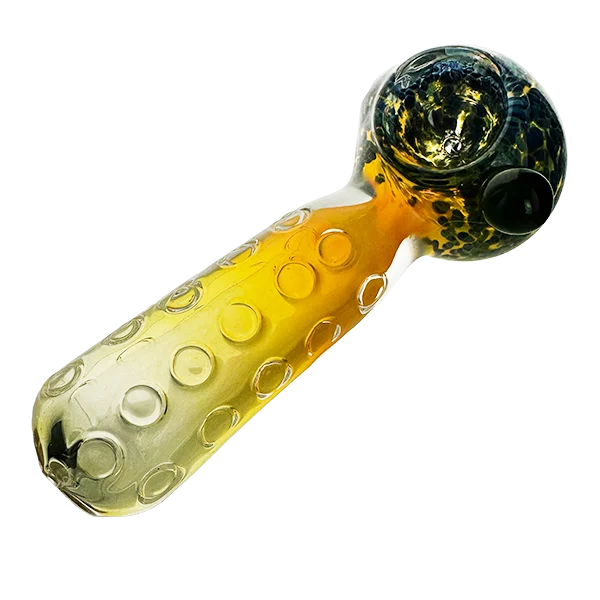
The demand for visually interesting glass pipes is skyrocketing. Consumers are moving away from plain, smooth glass and gravitating towards pieces with textured surfaces and unique finishes. Sandblasted finishes, which create a frosted, tactile feel, are particularly popular. We’re also seeing a resurgence of dichroic glass, which exhibits different colors depending on the viewing angle, and intricate frit work – the application of powdered glass to create patterns and designs.
These textures and finishes generally add to the cost of production, increasing the retail price by 20-50% compared to a standard smooth glass piece. However, customers are often willing to pay a premium for the added aesthetic appeal. Certain color palettes, like earthy tones and jewel tones, are proving particularly popular, aligning with broader interior design trends.
There's a clear connection to current design trends like biophilic design – incorporating natural elements – and maximalism, which embraces bold patterns and colors. Retailers who can curate a selection of pipes that reflect these broader aesthetic movements will likely see success. It’s about presenting these pieces not just as smoking accessories, but as art objects.
While I wouldn't call these pieces 'stunning,' they do offer a level of visual sophistication that was previously uncommon in the headshop market. The emphasis is on craftsmanship and artistic expression.
Trend 3: Modular and Convertible Pipe Systems
Versatility is becoming increasingly important to consumers. Modular and convertible pipe systems are gaining traction because they offer multiple functionalities in a single package. These systems typically consist of a core pipe that can be disassembled for easy cleaning and then reconfigured with different attachments – such as water chambers, downstems, or different sized bowls.
Materials used in these systems often include a combination of borosilicate glass, silicone, acrylic, and sometimes even metal for connectors and fittings. Silicone is particularly popular for its heat resistance and flexibility. The main advantage of these systems is their adaptability, but they also come with potential drawbacks for retailers. The higher price point – typically $50 to $200+ – can be a barrier to entry for some customers.
There’s also the potential for more returns due to the complexity of the system and the possibility of parts being lost or damaged. However, the added value and convenience can justify the price for many consumers. Retailers should focus on providing clear instructions and demonstrating the versatility of these systems to potential buyers.
Consider offering video demonstrations online or in-store to showcase the different configurations and cleaning procedures. This can help alleviate concerns about complexity and build confidence in the product.
Trend 4: The Return of Themed and Artistic Pieces
We’re witnessing a resurgence of pipes designed with specific themes and as miniature works of art. This isn’t just about slapping a cartoon character on a glass pipe; it’s about intricate designs inspired by animals, mythology, pop culture, or abstract concepts. Many artists are collaborating with glassblowers to create limited-edition pieces that appeal to collectors.
The price range for these higher-end pieces can vary dramatically, from $100 for a well-crafted themed pipe to $500+ for a truly unique, artist-signed piece. Retailers are marketing these as collectibles or statement pieces, emphasizing their artistic value rather than solely their functionality. This requires a shift in marketing strategy – focusing on the craftsmanship and artistry involved.
There's a noticeable move away from purely utilitarian designs towards pieces that are meant to be displayed and admired. This trend is fueled by the growing acceptance of cannabis culture and a desire for more sophisticated accessories. Retailers are successfully using social media platforms like Instagram to showcase these artistic pieces and connect with potential buyers.
These types of pieces are a great way to upsell to existing customers and attract a new clientele interested in art and design.
Content is being updated. Check back soon.
Trend 5: Color-Changing and Reactive Glass
Novelty is always a draw, and color-changing and reactive glass pipes are tapping into that desire. Thermochromic glass changes color with temperature – for example, becoming more vibrant when heated – while UV reactive glass glows under blacklight. These effects are achieved by adding specific chemicals to the glass during the manufacturing process.
The durability of these finishes is a key concern. While the color-changing effect is generally long-lasting, repeated exposure to high temperatures or harsh cleaning agents can eventually diminish the vibrancy. The target demographic for these novelty pipes is younger consumers who are drawn to unique and visually stimulating products.
Retailers should be aware of potential safety concerns. Ensure that the chemicals used in the glass are non-toxic and that the pipes are manufactured to a high standard. Clearly communicate the proper care and cleaning instructions to customers to maximize the lifespan of the color-changing effect.
These pipes are often priced slightly higher than standard glass pieces, typically in the $30-$80 range, due to the added manufacturing complexity.
Navigating Regulations and Wholesale Sourcing
Selling glass pipes requires careful attention to legal considerations. As mentioned earlier, the 2008 CBP ruling highlights the importance of avoiding items explicitly marketed for illegal drug use. Retailers must ensure they are compliant with both federal and state laws regarding drug paraphernalia. This includes avoiding designs that mimic illegal drug paraphernalia or make explicit references to illegal activities.
Working with reputable wholesale suppliers is crucial for ensuring product quality and compliance. Companies like SPS Wholesale (spswholesale.com) offer a wide range of glass pipes and accessories, and they typically adhere to strict quality control standards. Vetting suppliers involves checking their credentials, requesting samples, and verifying their compliance with relevant regulations.
Be wary of counterfeit products, which are often of poor quality and may not meet safety standards. Look for suppliers who offer clear product information, including materials used and country of origin. A good supplier will also provide documentation to verify the authenticity of their products.
I recommend establishing a strong relationship with your wholesale supplier and maintaining open communication about regulatory changes and emerging trends. This will help you stay ahead of the curve and ensure that your business remains compliant and competitive.
Check us out at http://t.co/RTWZCyM0 for the lowest priced wholesale glass pipes online.
— Wholesale Pipe Shop (@Wholesale_Pipes) July 20, 2012
No comments yet. Be the first to share your thoughts!