
Get wholesale glass pipes right
Before you commit to a large glass pipe order, verify the basics. Glass is fragile, expensive to ship, and highly seasonal. A misstep here eats margins faster than low sales volume. Use this checklist to confirm your supplier and inventory strategy before placing a purchase order.
Verify supplier reliability and minimums
Start by confirming the supplier’s track record with glass specifically, not just general smoke shop accessories. Glass breaks easily; you need a partner who packs securely and replaces damaged items quickly. Ask for their minimum order quantity (MOQ). High MOQs tie up cash in slow-moving styles, while low MOQs often come with higher per-unit costs. Aim for a balance that lets you test new trends without overstocking.
Select durable, high-turnover styles
Not all glass pipes sell equally. Focus on proven sellers first: classic spoon pipes, durable borosilicate pieces, and versatile bangers for concentrates. These items have consistent demand across demographics. Avoid overly complex novelty pieces unless you have data showing local interest. Novelty items often sit on shelves longer, increasing the risk of breakage during handling. Stick to colors and sizes that match your current customer base.
Check breakage policies upfront
Ask explicitly about breakage policies before finalizing the deal. Reputable wholesalers will replace a certain percentage of items damaged in transit or due to manufacturing defects. Know the exact percentage and the process for filing a claim. Without this safety net, a single bad shipment can wipe out the profit from three months of sales. Ensure the policy is written into your agreement, not just verbal.
Plan for seasonal shifts
Glass demand spikes around holidays and summer. Stock heavier pieces in late summer for fall/winter sales, and lighter, portable options for spring/summer. Avoid ordering peak-season inventory too early; it takes up warehouse space and capital. Instead, build relationships with suppliers who can rush-order popular styles when trends shift. This flexibility keeps your shelves fresh without the risk of dead stock.
How to stock high-demand smoking accessories for retail
Wholesale glass trends shift quickly, driven by seasonal color preferences and new borosilicate manufacturing techniques. Retailers who anticipate these shifts build inventory that turns over faster than static stock. The following steps outline a practical workflow for selecting, vetting, and ordering glass accessories that meet current market demand.

Start by identifying which SKUs are stagnant. Review point-of-sale data from the last six months to find items with low turnover. These slow-moving pieces often tie up capital that could be better spent on trending borosilicate pieces. Focus on removing basic, unbranded items that customers now perceive as low-quality alternatives to premium glass.
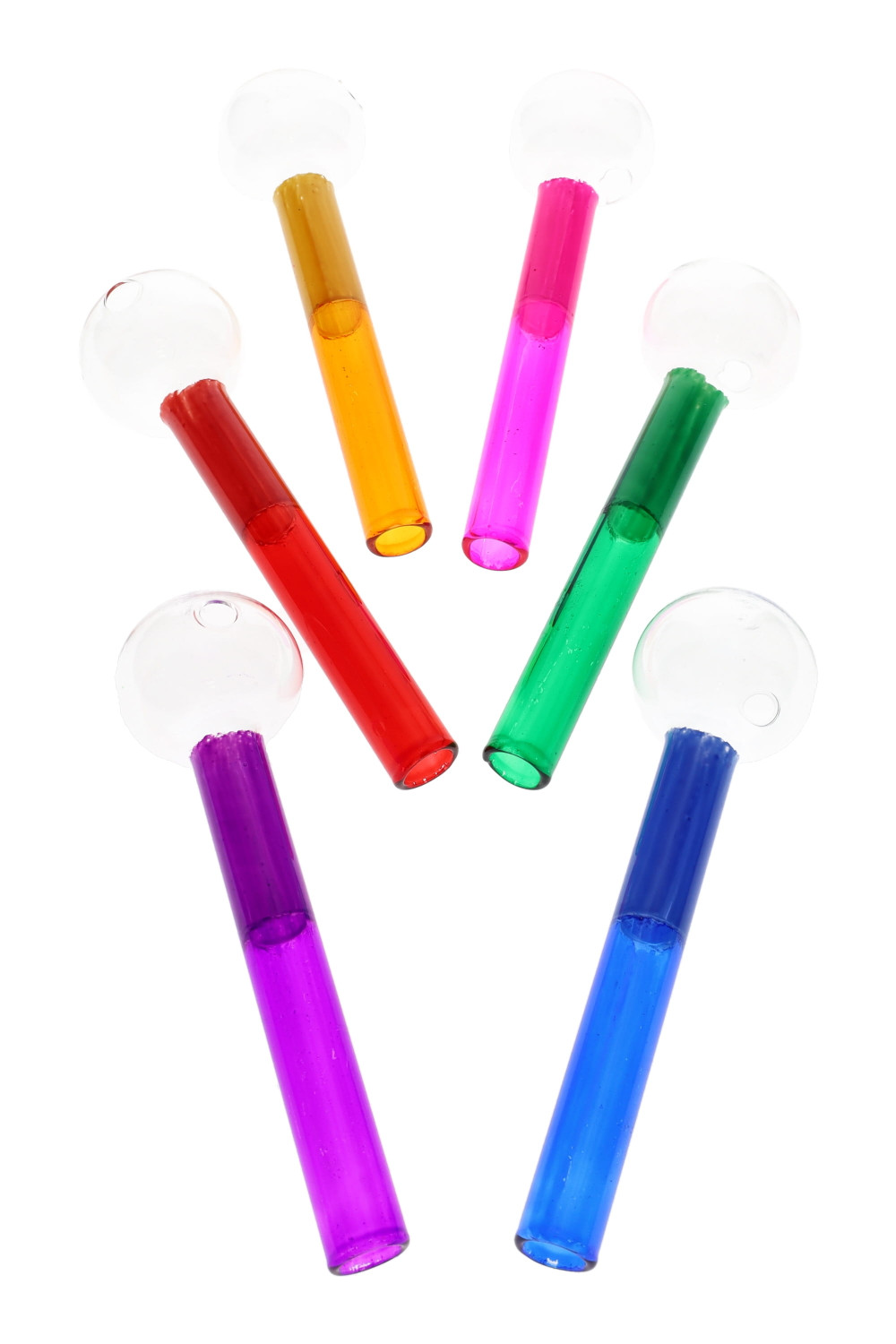
Current wholesale glass trends favor durable, visually striking borosilicate glass over standard soda-lime glass. Look for pieces with intricate frit work, color-changing elements, or modular designs that appeal to collectors. Trending styles often include slim, pocket-friendly hand pipes and complex dab rigs with percolators that improve filtration. Prioritize suppliers who showcase high-resolution images of these details to ensure quality before ordering.
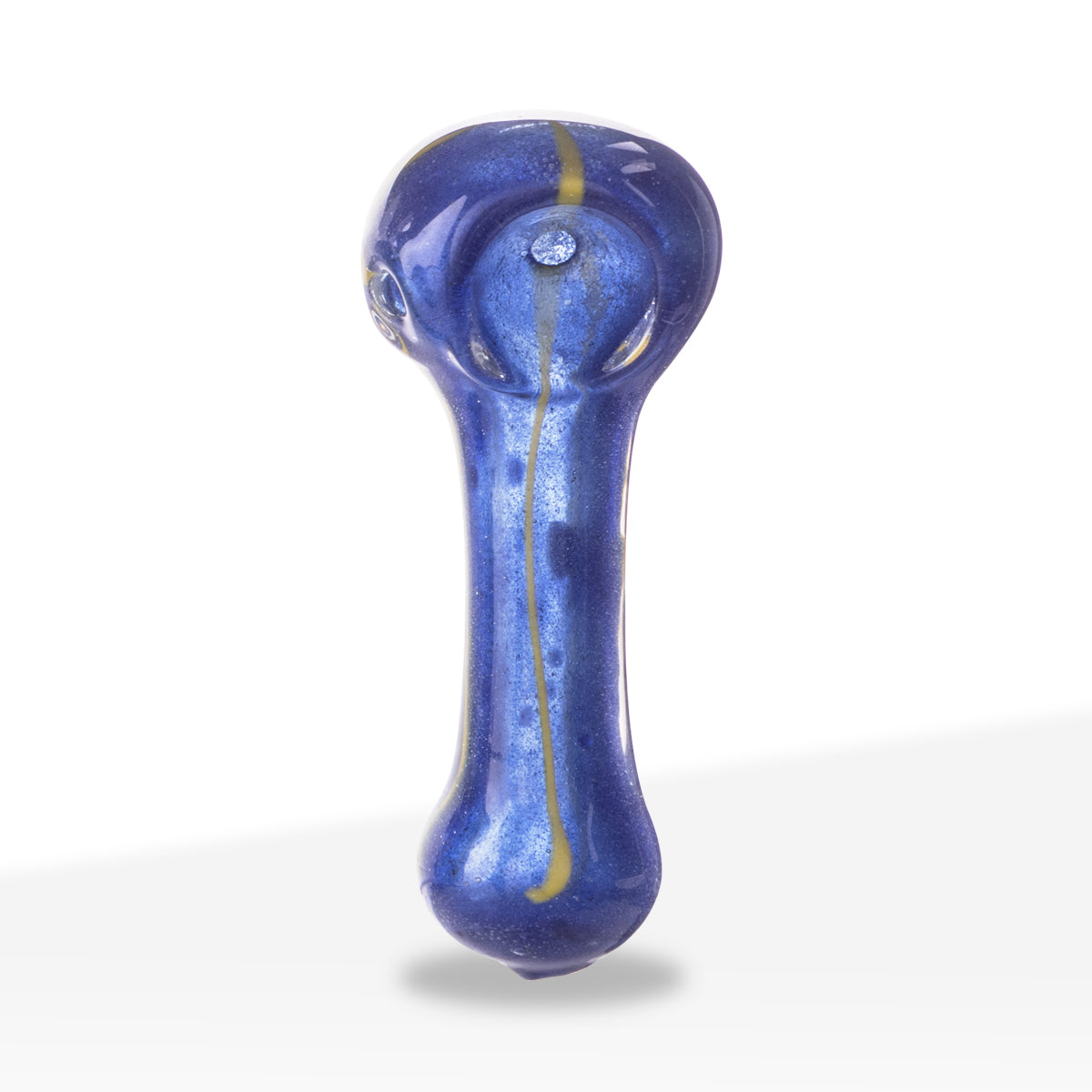
Glass is fragile and shipping costs can erode margins. Vet suppliers by checking their packaging standards and return policies for damaged goods. Confirm minimum order quantities (MOQs) align with your storage capacity and cash flow. Reputable wholesalers often provide sample kits or allow mixed-SKU orders to help retailers test new lines without committing to large volumes of a single design.
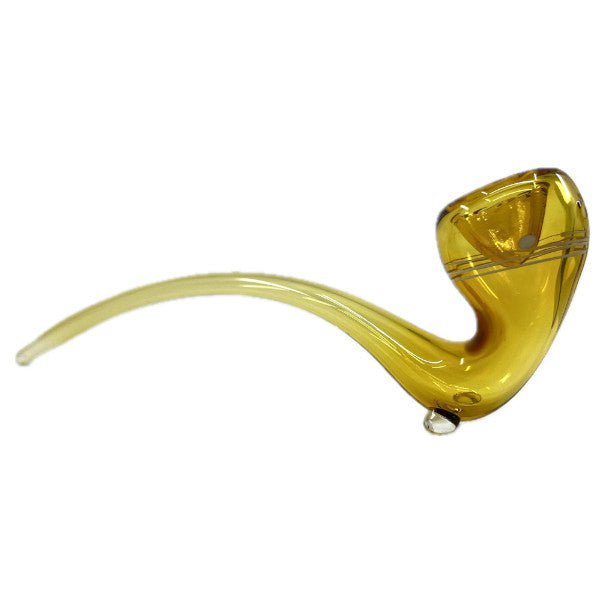
Add shipping, insurance, and potential customs duties to the base product cost to determine the true landed cost. Compare these total expenses against your target retail price. Glass accessories typically carry higher margins than plastic or metal alternatives, but only if you avoid overstocking low-demand items. Ensure your pricing allows for occasional promotions without sacrificing profitability.
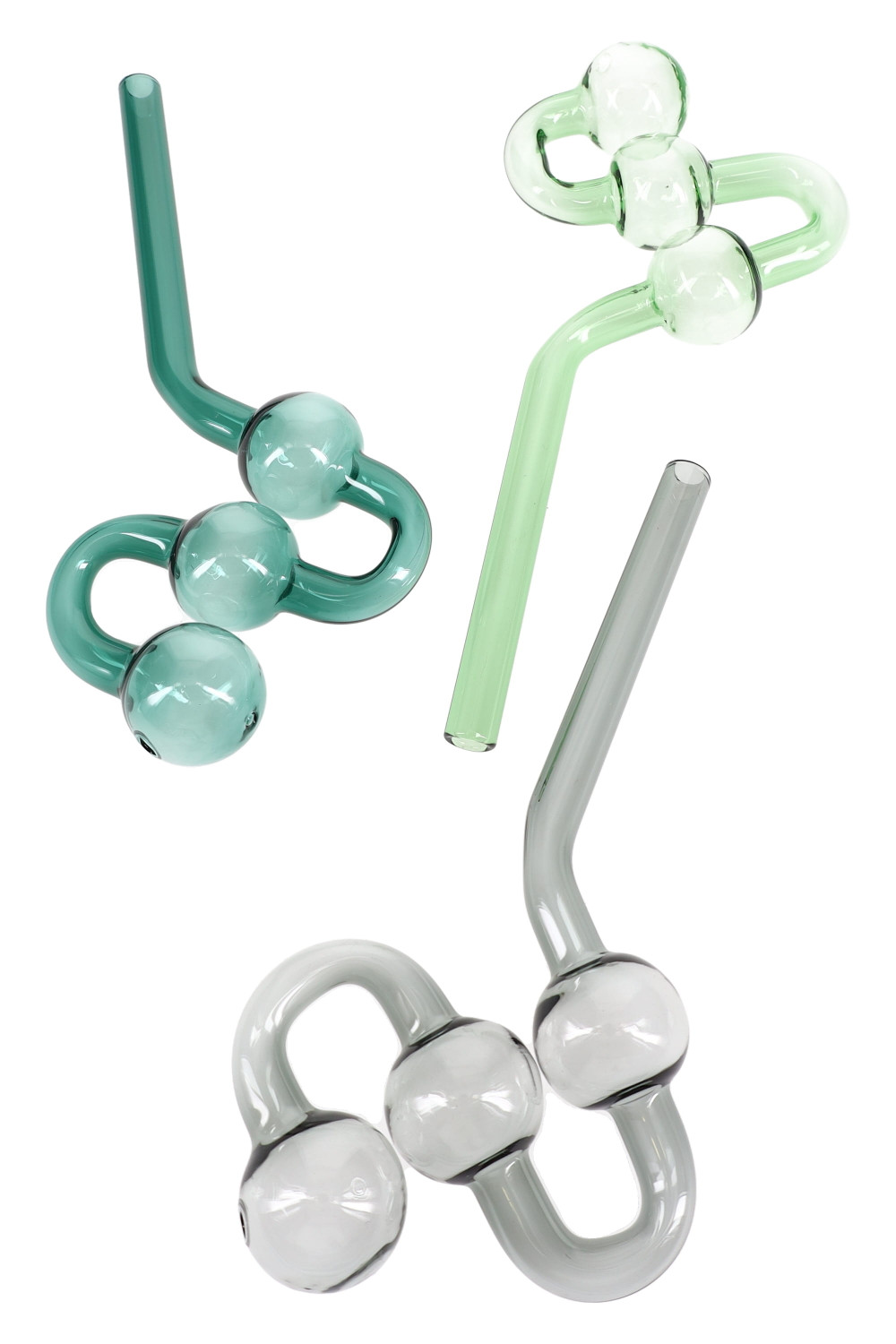
Start with a conservative quantity of each new SKU to gauge customer response. Track shipments closely and inspect all goods immediately upon arrival for chips, cracks, or manufacturing defects. Document any damage with photos before signing for the delivery to facilitate smooth claims with the supplier. This careful initial rollout minimizes risk while allowing you to reorder fast-moving items quickly.
Common mistakes when ordering wholesale glass
Overlooking packaging quality is a frequent error that leads to high breakage rates. Always request information on how suppliers protect glass during transit. Another mistake is ignoring seasonal trends; summer often sees a spike in colorful, beach-friendly accessories, while winter favors darker, heavier pieces. Plan your orders at least eight weeks in advance to account for manufacturing and shipping delays.
Proof checks before finalizing orders
Before releasing payment, verify the supplier’s track record for on-time delivery and product consistency. Check recent reviews from other retailers to ensure the glass quality matches the marketing images. Confirm that the items comply with local regulations regarding age verification and product labeling. Keeping these checks in place ensures your inventory remains profitable and compliant.
-
Review sales data for slow-moving items
-
Identify trending borosilicate and frit styles
-
Verify supplier packaging and return policies
-
Calculate landed costs including shipping
-
Place trial order and inspect for damage
No comments yet. Be the first to share your thoughts!