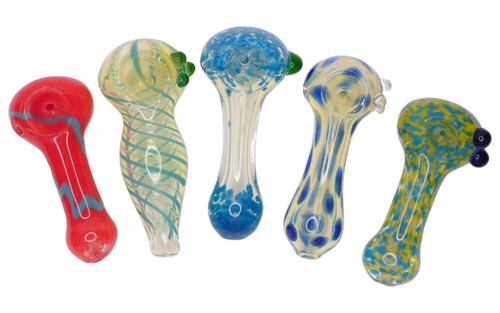
Why borosilicate glass leads wholesale orders
Borosilicate glass is the standard for wholesale buyers because it balances thermal shock resistance with structural durability. Unlike standard soda-lime glass, borosilicate contains silica and boron trioxide, which lower its coefficient of thermal expansion. This chemical composition allows the material to withstand rapid temperature changes without cracking, a critical feature for products that see daily use and cleaning.
For retailers, this material choice directly impacts return rates and customer satisfaction. Wholesale glass pipes made from borosilicate are less likely to shatter during shipping or initial use, reducing the logistical costs associated with replacements. The material also holds up better to the thermal stress of heating elements or direct flame, ensuring the product maintains its integrity over time.
When sourcing inventory, prioritize suppliers who explicitly list borosilicate specifications. Reputable manufacturers, such as Roetell, distinguish their wholesale glass pipes by material grade, ensuring that the pieces you stock meet the durability expectations of experienced consumers.
Top wholesale glass pipe categories for 2026
Retailers stocking wholesale glass pipes must balance aesthetic appeal with functional durability. The following categories represent the highest-volume drivers in the current market, selected for their material efficiency and consumer recognition.
Spoon pipes
The spoon pipe remains the industry standard for handheld smoking devices. Its flat bowl and elongated mouthpiece allow for stable placement on surfaces, a practical feature for retail customers. Manufacturers typically use borosilicate glass to ensure thermal shock resistance, preventing cracks during rapid heating cycles. Retailers should prioritize models with thickened walls for improved heat insulation and reduced breakage rates during shipping.
Chillums
Chillums offer a minimalist design that appeals to users seeking portability and simplicity. These straight-tube pipes lack complex percolation systems, making them easier to manufacture and clean. The direct airflow path provides a cooler, smoother draw compared to heavier rigs. Stocking a variety of lengths and opacities allows retailers to cater to both traditionalists and those preferring modern, artistic aesthetics.
Bubblers
Bubblers bridge the gap between handheld convenience and water filtration. These compact devices incorporate small water chambers that cool and filter smoke without the bulk of a full-sized bong. The reduced water volume makes them lighter and less prone to leaking during transport. For retailers, bubblers represent a high-margin entry point for customers upgrading from dry pipes to filtered smoking methods.
| Category | Material | Size Tier | Best Use Case |
|---|---|---|---|
| Spoon Pipe | Borosilicate | Small (4-6 inch) | Everyday carry, surface stability |
| Chillum | Borosilicate | Small (3-5 inch) | Portability, direct airflow |
| Bubbler | Borosilicate | Medium (8-10 inch) | Filtered smoke, compact filtration |
Bulk smoking accessories to bundle with pipes
High-margin complementary items increase average order value (AOV) by reducing friction at checkout. Retailers should stock consumables and maintenance tools that complement the primary glass pipe purchase. These items have high turnover rates and low return risks, making them ideal for bundling strategies.
Stainless steel multi-piece grinders
Precision-engineered aluminum or stainless steel grinders with diamond teeth offer consistent particle size for better airflow and burn efficiency. Unlike plastic alternatives, metal teeth do not degrade or leach chemicals over time. Stocking 4-piece grinders with separate pollen screens adds perceived value without significantly increasing wholesale cost.
Rolling papers and joint tubes
Paper-based accessories remain a staple for retailers targeting diverse user preferences. Bulk rolling papers provide low-cost entry points for customers, while pre-rolled tubes offer convenience for on-the-go use. These items are lightweight, reducing shipping costs per unit, and have a high repurchase rate due to their consumable nature.
Cleaning solutions and brushes
Maintenance products are essential for extending the lifespan of glassware. Isopropyl alcohol and coarse salt mixtures are standard for deep cleaning, while specialized brush sets handle narrow stems and intricate designs. Retailers can bundle these with pipes to ensure customers maintain their products properly, reducing complaints about residue buildup.
How to vet wholesale glass suppliers
Building a reliable supply chain for retail glass pipes requires more than just finding the lowest price per unit. Retailers must evaluate suppliers based on minimum order quantities (MOQ), shipping velocity, and the breadth of their product catalog. A mismatch in any of these areas can lead to stockouts or cash flow bottlenecks that hurt end-of-month sales.
Start by auditing the supplier’s MOQ structure. Some distributors, like SPS Wholesale, operate with a $100 MOQ, which allows for frequent, smaller restocking cycles ideal for testing new designs. Others, such as Patel Smoke Inc., require a $200 minimum, which may suit established retailers with steady demand but can be a barrier for new entrants. Understand whether the MOQ is per order or cumulative over a billing period to avoid unexpected inventory costs.
Shipping speed is equally critical. Glass is fragile and time-sensitive. Suppliers based in high-volume logistics hubs, such as California-based SPS Wholesale, often offer faster turnaround times for domestic retail orders. Verify their processing times and carrier partnerships. A supplier claiming "fast shipping" without specifying transit windows or packaging standards is a risk for breakage and delayed shelf availability.
Finally, assess product variety and origin. Suppliers like Ohio Valley Glass focus on American-made artisan pieces, which appeal to a specific premium segment. Others may offer a broader range of mass-produced items. Ensure the supplier’s catalog aligns with your store’s demographic. Rely on direct supplier websites for accurate, up-to-date information on their current offerings and policies rather than third-party aggregators.
-
Verify MOQ thresholds and whether they are per-order or cumulative.
-
Confirm shipping origin and estimated transit times for your region.
-
Review return policies for damaged or defective glass items.
-
Assess product range to ensure alignment with your retail demographic.
No comments yet. Be the first to share your thoughts!