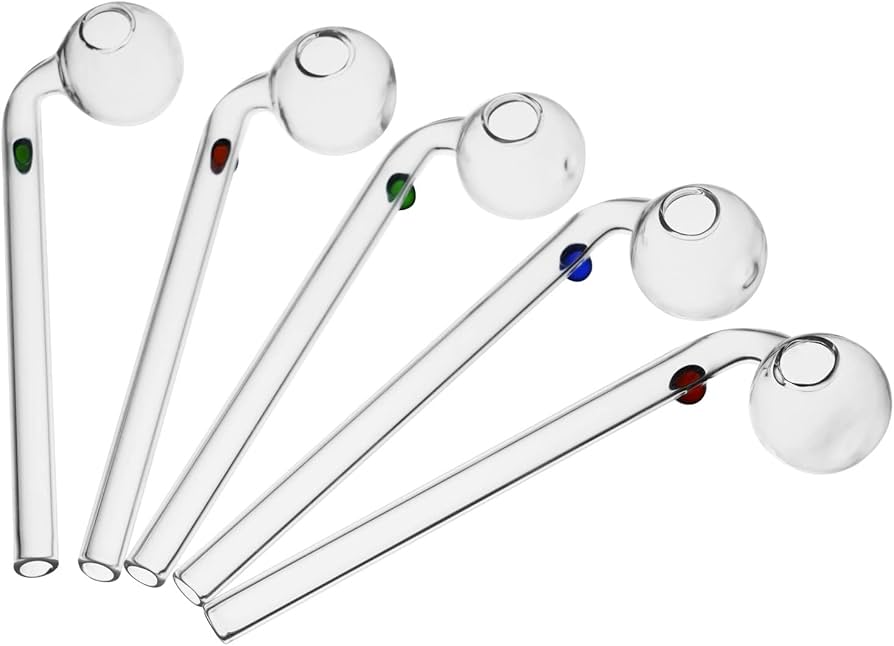

Why bulk glass pipes drive shop revenue
Wholesale glass pipes are a staple in headshop inventory because they combine high turnover with reliable margins. Unlike complex vaporizers or branded accessories, these items sell consistently across all customer segments. By stocking bulk glass pipes, you secure a product line that moves quickly without requiring extensive customer education.
The financial advantage becomes clear when you compare unit economics. Retail customers expect convenience, but they are also price-sensitive. Wholesale purchasing allows you to lower the shelf price while maintaining healthy margins. A typical wholesale glass pipe might cost $2–$4 to source and sell for $12–$18. This markup covers your overhead and generates profit faster than low-turnover items.
Concrete examples drive this volume. Classic glass spoon pipes, color-changing frit styles, and pocket-friendly hand pipes appeal to different buyer preferences. Novelty pieces attract impulse buyers, while durable borosilicate options retain repeat customers. When you stock a variety of these specific styles, you reduce the risk of dead inventory and keep cash flowing.
This category also serves as an effective entry point for new customers. First-time buyers often start with affordable glass pipes before exploring higher-end rigs or concentrates. By having a well-curated selection of wholesale glass pipes, you capture that initial sale and build a relationship that can lead to larger purchases later.
Top wholesale glass pipe styles for 2026
The wholesale glass pipe market in 2026 is defined by a shift toward durability and visual appeal. Headshop owners are moving away from cheap, fragile soda-lime glass in favor of high-quality borosilicate options that withstand daily use. This section breaks down the three specific styles driving bulk orders: classic spoon pipes, traditional chillums, and functional water pipes.
Borosilicate Spoon Pipes
The spoon pipe remains the highest-volume item in wholesale glass inventory. In 2026, the standard spoon pipe is no longer just a simple bowl and tube; it is a canvas for color and texture. Borosilicate glass is the preferred material because it is heat-resistant and less likely to shatter during shipping or customer use. Retailers are stocking "frit" styles, where colored glass shards are fused into the clear tube, creating a textured grip and visual depth. Color-changing glass, which reacts to heat, is also trending as a novelty item that attracts impulse buyers. These pipes are compact, pocket-friendly, and serve as the entry-level product for new customers.
Traditional Chillum Designs
Chillums are experiencing a resurgence in wholesale demand, particularly among consumers seeking minimalist, portable smoking devices. Unlike spoon pipes, chillums lack a separate bowl and handle, offering a sleek, one-piece design. In the wholesale market, this style is popular for its ease of packaging and low shipping weight. Common variations include the straight tube chillum and the slightly curved "bent" style, which offers better ergonomics for the user. Many wholesale suppliers now offer these in durable borosilicate glass with simple carb caps, appealing to a demographic that values function over flashy aesthetics. This style is particularly effective for online retailers looking to bundle chillums with other accessories.
Compact Water Pipes
Water pipes, once considered a premium niche, are now a staple in mid-tier headshop inventories. The 2026 trend favors "compact" or "mini" water pipes that fit in small boxes, reducing shipping costs while maintaining functionality. These pieces often feature simple percolators, such as a single tree or honeycomb diffuser, which improve filtration without increasing the pipe’s size significantly. Borosilicate glass is again the standard, ensuring clarity and strength. Retailers are finding that customers appreciate the balance between the smoothness of water filtration and the portability of a smaller device. This style bridges the gap between the basic spoon pipe and the larger, more expensive rig, capturing a broad segment of the market.
| Style | Primary Material | Price Tier | Target Customer |
|---|---|---|---|
| Spoon Pipe | Borosilicate | Low | Impulse buyers, beginners |
| Chillum | Borosilicate | Low-Medium | Minimalists, travelers |
| Compact Water Pipe | Borosilicate | Medium | Experience seekers, daily users |
Key suppliers for bulk smoking accessories
Finding reliable wholesale glass pipes requires balancing variety with consistent stock. The following distributors specialize in the tools and glassware that headshops need to keep shelves full. Each supplier brings a different focus, from high-volume budget picks to specialized artistic pieces.
SPS Wholesale
SPS Wholesale is a go-to source for high-volume retailers looking for breadth. They stock a wide range of classic glass spoon pipes, pocket-friendly hand pipes, and novelty items. Their inventory includes color-changing and frit styles, which appeal to customers seeking unique visual effects. This variety makes them a strong candidate for shops that want to offer a broad selection under one roof.
MJ Wholesale
MJ Wholesale offers a comprehensive suite of smoking accessories alongside their glass pipes. While their glassware selection is solid, they are particularly noted for bundling pipes with other high-demand items like Mylar bags, joint tubes, and rolling papers. This approach allows headshop owners to streamline their ordering process by sourcing multiple categories from a single vendor, reducing shipping costs and administrative overhead.
Hara Brands
Hara Brands positions itself as a leading provider of smoking accessories, with a strong emphasis on glass pipes and cleaning gear. Their catalog is designed to support the everyday needs of smoke shops, offering durable and reliable products. They are a common choice for retailers who prioritize established brands and consistent quality in their core glassware inventory.
Art of Glass (AOG) Wholesale
Art of Glass Wholesale specializes in a more diverse array of glass products, including water pipes, rigs, tubes, and beakers. If your shop caters to customers who prefer complex glassware over simple hand pipes, AOG provides the depth needed to serve that niche. Their focus on specialized glass items makes them a valuable partner for shops aiming to differentiate their inventory with higher-end or technical pieces.
How to evaluate wholesale glass quality
When building inventory for 2026, the difference between a profitable product line and a return-heavy nightmare often comes down to material science and construction. Wholesale buyers must look beyond aesthetic appeal and assess the physical integrity of each piece. The goal is to stock items that survive shipping, daily use, and the thermal shock of repeated heating.
Material: Borosilicate vs. Soda-Lime
The most critical evaluation point is the glass type. High-quality wholesale pipes are made from borosilicate glass, which is significantly more durable and heat-resistant than standard soda-lime glass. Soda-lime glass, often found in cheap novelty items, is prone to cracking under thermal stress and breaks easily if dropped.
Borosilicate glass, frequently referred to by brands like Pyrex, withstands high temperatures without deforming. This makes it the standard for professional headshop inventory. When reviewing bulk lots, check the product descriptions for "borosilicate" or "heat-resistant" claims. Avoid listings that simply say "glass" without specifying the type, as these are likely lower-grade materials that will lead to customer complaints.
Joint Integrity and Thickness
Durability is also determined by joint construction. Thick-walled glass (typically 4mm or thicker) is far less likely to shatter than thin, delicate pieces. Examine the joints where the stem meets the bowl. They should be smooth, well-fused, and free of sharp edges or thin spots. Weak joints are the most common failure point in wholesale pipes.
For example, a lot of 25 hand-borosilicate pipes from a reputable supplier like Roetell often features consistent wall thickness and reinforced joints. These details ensure that the pipes can handle the rigors of retail display and customer handling. Always request physical samples before committing to large bulk orders to verify thickness and joint integrity firsthand.
Base Stability and Design
Finally, consider the base design. A wide, flat base provides stability, reducing the chance of the pipe tipping over and breaking. Narrow or uneven bases are a liability in a busy shop environment. Look for designs that prioritize function alongside form, ensuring the pipe sits securely on any surface. This simple feature significantly enhances the perceived value and longevity of the product in your inventory.
Frequently asked questions about wholesale glass
Running a headshop requires keeping inventory moving without tying up too much capital. Here are the answers to the most common logistical questions about ordering wholesale glass pipes for your 2026 inventory.
What is the typical minimum order quantity (MOQ)?
MOQs vary by supplier, but many wholesale glass distributors prefer orders of at least 25 to 50 units per style. This allows them to cover manufacturing and shipping costs while offering you a true wholesale discount. For example, bulk lots of 25 classic borosilicate pipes often come at a significantly lower per-unit cost than single-piece orders. Always check the supplier’s tiered pricing structure; buying in larger quantities usually unlocks better margins.
How long does shipping take for glass pipes?
Shipping times depend on the supplier’s location and the shipping method selected. Domestic US suppliers typically ship within 1-3 business days, with delivery taking another 3-7 days depending on the carrier. International suppliers may take 2-4 weeks due to customs processing. Glass is fragile, so reputable suppliers use padded packaging, but expedited shipping can reduce the risk of damage during transit. Plan your reorder cycle to account for these lead times, especially during peak seasons.
Can I customize wholesale glass pipes with my logo?
Customization is often available, but it usually requires a higher MOQ than standard stock items. Many manufacturers offer screen printing or laser engraving for logos on glass pipes, but the setup fees and per-unit costs are higher. Some suppliers may require a minimum of 100-500 units for custom branding. If you are just starting out, consider ordering stock items with neutral designs and adding custom packaging or stickers to build your brand identity without the high MOQ of custom glass.
No comments yet. Be the first to share your thoughts!