
Spring 2026 demand signals
Heading into Spring 2026, the headshop market isn’t seeing radical shifts, but a definite solidification of trends established in late 2025. We’re observing a continued, though perhaps leveling off, interest in premium glass pieces, especially among established consumers. The demand isn't necessarily growing exponentially, but it's consistently present. Retailers who focused on quality in 2025 are poised to benefit.
What’s driving this sustained demand is a consumer base that’s becoming more discerning. They’re less interested in novelty items and more focused on durability and functionality. This isn’t to say disposable options are failing, but they’re often purchased alongside, or as a stepping stone to, more substantial investments in glass. I’ve seen a marked increase in requests for specific glassblowing artists and studios, indicating a desire for unique, collectible pieces.
Interestingly, we’re also seeing a parallel demand for high-quality, yet reasonably priced, everyday pieces. Consumers want something reliable for daily use that won't break the bank. This suggests a two-tiered market: one for investment pieces and one for practical, affordable options. Stocking both tiers is proving to be a successful strategy for many retailers. The initial indicators from early 2026 suggest this pattern will continue through the spring season.
Glass pipe styles and pricing
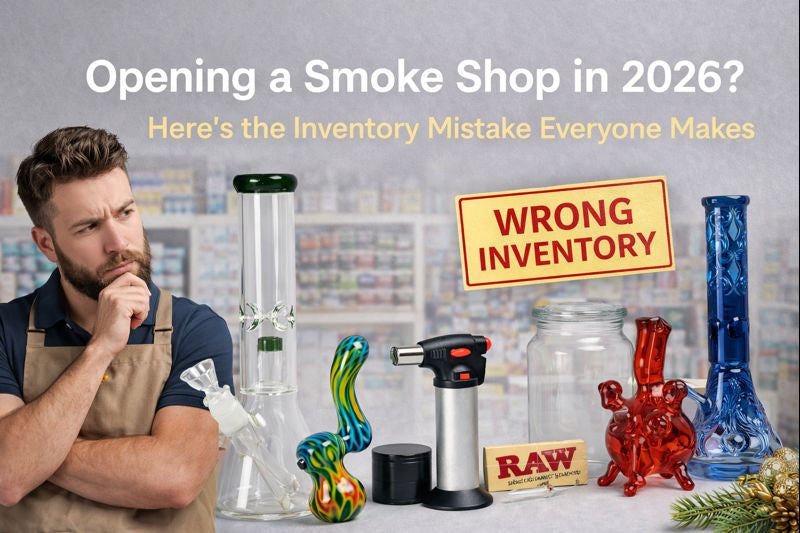
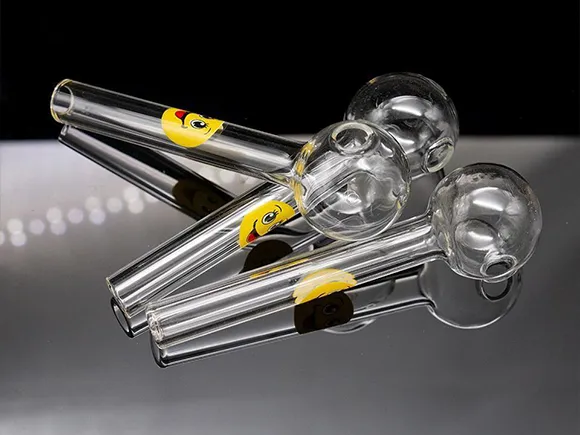
When it comes to glass pipes, certain styles consistently outperform others. Sherlocks and spoons remain the workhorses of most headshops, accounting for a significant portion of sales. Bubblers and water pipes are also popular, especially as consumers seek smoother hits and increased filtration. The key isn’t necessarily chasing the newest shape, but ensuring a robust stock of classic designs.
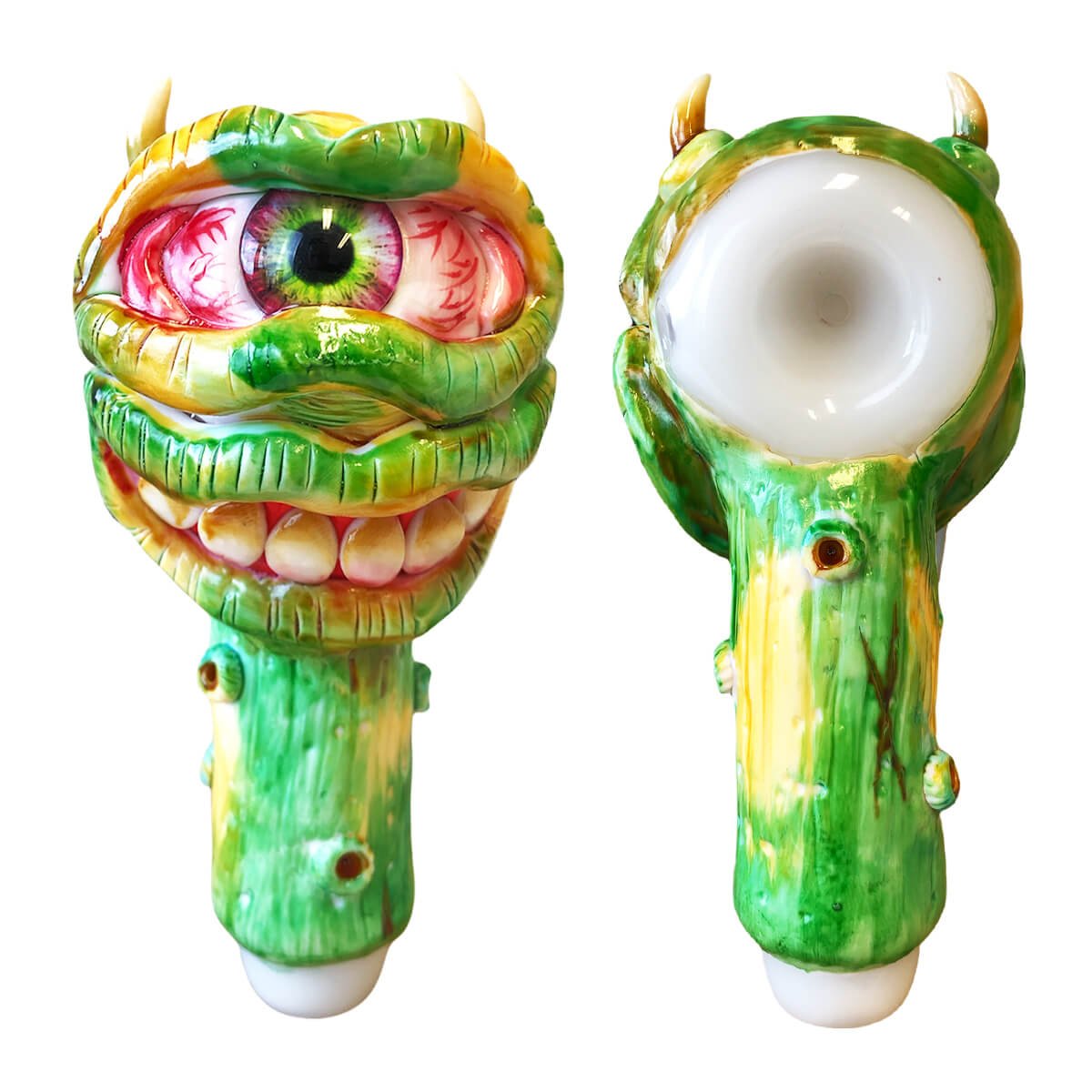
Price points are heavily influenced by glass quality and artistic detail. For basic sherlocks and spoons, retailers can expect to move volume in the $20-$50 range. Mid-range pieces, with slightly thicker glass and more intricate designs, typically sell for $50-$100. High-end pipes, featuring complex artwork or made from borosilicate glass, can easily exceed $100. Customers often pay more for unique, hand-blown pieces because they see them as art, not just tools.
Material quality is paramount. Borosilicate glass is the standard for a reason – it’s durable and heat-resistant. However, softer glass options can still find a market at lower price points. Transparency is also important; consumers want to see the quality of the glass. Retailers should be prepared to answer questions about glass type and manufacturing processes. A little knowledge goes a long way in building trust.
I’m finding that retailers who bundle pipes with accessories – screens, cleaning solutions, even small storage containers – are seeing increased average transaction values. It's a simple way to add value and encourage customers to purchase more.
Accessories that actually sell
Pipes bring people in, but accessories keep the lights on. Cleaning solutions sell year-round because nobody likes a dirty rig. Grinders are moving toward aluminum and wood as people get tired of plastic teeth breaking off. Grinders are another essential, and we’re seeing a shift towards aluminum and wood grinders over plastic options, owing to their durability and perceived quality.
Storage containers, particularly those that are airtight and smell-proof, are also popular. Rolling papers remain a staple, with a growing interest in organic and unbleached varieties. Dab tools – scoops, picks, and carb caps – are essential for customers who dab, and the demand for these items remains steady.
Here’s a quick rundown of trending accessories:
* Cleaning solutions (Formula 420, Orange Chronic)
* Aluminum grinders (Santa Cruz Shredder, Grenco)
* Airtight storage containers (PuffitUp, Dime Bags)
* Rolling papers (Elements, RAW)
* Dab tools (various materials and price points)
Inventory Checklist
- Large Acrylic Bong - Essential for retailers; consider pieces like the Grav Labs 18” Beaker Bong for a popular, durable option.
- Metal Hand Pipes - A consistent seller; stock a variety of styles, including Sherlock pipes and spoon pipes from brands like Marley Natural.
- Rolling Papers - Maintain a wide selection, including RAW Classic, Elements, and Zig-Zag papers in various sizes and materials.
- Glass Cleaning Solutions - Crucial for customer maintenance; Formula 420 and Orange Chronic are industry standards.
- Grinders - Stock multiple price points and materials; 4-piece aluminum grinders from brands like Santa Cruz Shredder are consistently in demand.
- Silicone Accessories - Including silicone pipes, nectar collectors, and carb caps. Silicone is heat resistant and easy to clean.
- Storage Containers - Airtight, smell-proof containers are essential. Options include PopLoc containers and CVaults for longer-term storage.
- Dab Rigs - Offer a range of quartz bangers and dab rigs, including those from brands like High Roller.
The state of the dab market
The dabbing market has matured, but remains a significant revenue stream for many headshops. While the initial boom of extremely expensive, elaborate setups has cooled, demand for quality dab rigs and nails persists. We’re seeing a growing segment of consumers who are looking for more affordable entry points into dabbing, without sacrificing quality.
Quartz nails remain the most popular choice, offering a clean flavor and consistent heating. Titanium nails are still preferred by some for their durability, but they can impart a metallic taste if not properly seasoned. Ceramic nails are gaining traction as a more affordable alternative to quartz, but they are also more fragile.
Carb caps are essential for low-temperature dabbing and are consistently in demand. Dab tools are also a must-have accessory. The price point for dab rigs varies widely, from under $100 for basic setups to several hundred dollars for high-end, artistic pieces. Retailers should cater to both ends of the spectrum.
Disposable Options: Convenience vs. Quality
Disposable vapes and accessories are undeniably gaining market share, driven by convenience and lower upfront costs. However, retailers need to carefully consider the trade-offs before stocking these items. While they offer a quick and easy solution for consumers, they often lack the quality and durability of traditional glass pieces. Furthermore, the environmental impact of disposable products is a growing concern.
If you do choose to stock disposable options, focus on reputable brands that prioritize safety and quality. Price points should be competitive, but avoid racing to the bottom. Positioning disposables as a temporary or introductory option, rather than a long-term solution, can help manage customer expectations. Be prepared to address questions about the environmental impact and offer alternatives.
Here's a quick comparison:
| Feature | Disposable | Traditional Glass |
|----------------|------------|-------------------|
| Cost | Lower | Higher |
| Convenience | High | Lower |
| Quality | Variable | Generally Higher |
| Environmental Impact | High | Lower |
Disposable vs. Reusable Smoking Accessory Qualitative Comparison – Spring 2026 Inventory Planning
| Cost | Convenience | Environmental Impact | Perceived Quality | Target Customer |
|---|---|---|---|---|
| Disposable Vapes | Low initial cost, no maintenance costs. | High convenience; pre-filled, ready to use. | Significant negative impact due to plastic and electronic waste. | Price-sensitive consumers, travelers, users prioritizing ease of use. |
| Disposable Pipes | Very low initial cost. | High convenience; single-use, no cleaning required. | Negative environmental impact due to material waste. | Consumers seeking extremely low-cost options, festival attendees. |
| Reusable Glass Pipes | Moderate initial cost, minimal ongoing maintenance (cleaning supplies). | Moderate convenience; requires cleaning, but durable. | Lower environmental impact than disposables, especially with responsible disposal. | Generally perceived as higher quality due to material and craftsmanship. |
| Reusable Vapes | Higher initial cost, ongoing costs for pods/cartridges/coils. | Moderate convenience; requires refilling/replacing components, but reusable device. | Lower environmental impact than disposable vapes, but still generates waste from pods/cartridges. | Perceived as higher quality than disposable vapes, offering more control and customization. |
Illustrative comparison based on the article research brief. Verify current pricing, limits, and product details in the official docs before relying on it.
Branding & Customization Opportunities
Standing out is hard when everyone stocks the same glass. Putting your own logo on grinders or rolling trays turns a generic purchase into a walking advertisement for your shop. Some suppliers now handle the printing in-house, which simplifies the logistics. This can build brand recognition and customer loyalty.
Customization options range from simple logo printing to more elaborate designs. Packaging is another area where branding can make a big impact. Custom-printed boxes, bags, or labels can elevate the perceived value of the products. Consider offering personalized gift sets or bundles to further enhance the customer experience.
The cost of branding and customization varies depending on the supplier and the complexity of the design. However, the potential return on investment can be substantial. A well-branded product can command a higher price point and generate repeat business.
Finding reliable wholesale partners
Choosing the right wholesale supplier is critical for success. Pricing, product quality, shipping times, and customer service are all important considerations. Sourcing from domestic suppliers, such as SPS Wholesale, can offer advantages like faster shipping times and avoidance of tariffs. However, domestic suppliers may also have higher prices than overseas options.
It's essential to thoroughly vet potential suppliers before placing an order. Check their reputation, read reviews, and request samples to assess the quality of their products. Ensure they have a reliable shipping process and a responsive customer service team. Don’t be afraid to negotiate pricing, especially for bulk orders.
Building strong relationships with your suppliers is also important. Regular communication and timely payments can help ensure a smooth and reliable supply chain. Consider diversifying your supplier base to mitigate the risk of disruptions.

No comments yet. Be the first to share your thoughts!