
Current wholesale glass bong costs
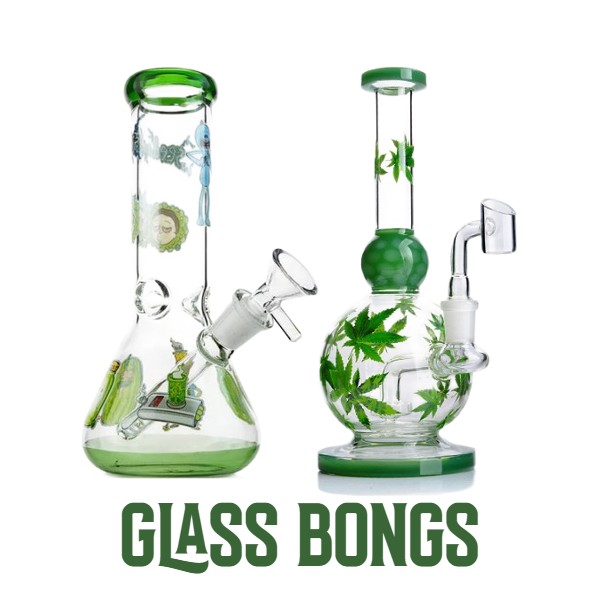
The wholesale glass bong market presents a tiered pricing structure. Budget options, typically made with softer glass and simpler designs, can start around $8-$15 per piece when purchased in bulk. Mid-range bongs, constructed with more durable borosilicate glass and featuring moderate complexity in design, generally fall within the $20-$40 range. Premium bongs with hand-blown art and thick walls usually start at $50 and can go over $100.
Material choice is a primary cost driver. Borosilicate glass, known for its heat resistance and durability, consistently commands a higher price than softer glass. Size also plays a significant role—larger bongs naturally require more material and labor, increasing their wholesale cost. Complex percolators and unique designs further contribute to the price point. Retailers must carefully consider these factors when selecting their inventory.
Suppliers like MJ Wholesale and SPS Wholesale currently advertise tariff-free shipping. This saves money now, but trade policies change fast. I'd check current import rules before every large order to avoid a surprise bill.
Beyond the base price of the glass, consider the cost of packaging. Many suppliers offer basic packaging, but branded or custom packaging will add to the overall expense. This is an area where value can be added, but it needs to be factored into the overall cost calculation. The initial investment in quality glass bongs is substantial, making strategic bulk pricing essential for maximizing profit margins.
Volume discount tiers
Volume discounts are fundamental to wholesale pricing. A common tier structure looks like this: 1-10 pieces might have no discount, or a minimal 5% reduction. Moving to 11-50 pieces typically unlocks a 10-15% discount. Larger orders, 51-100 pieces, often see discounts of 20-25%. Orders exceeding 100 pieces can reach discounts of 30% or more. These are, of course, averages – specific discounts vary significantly by supplier and product.
The impact on per-unit cost is significant. Consider a bong with a list price of $30. At 1-10 pieces, the cost is $30 per unit. At 11-50 pieces with a 15% discount, the cost drops to $25.50. And with a 30% discount on 100+ pieces, the cost falls to $21. This demonstrates how volume purchasing can dramatically lower your acquisition cost. However, minimum order quantities (MOQs) present a challenge.
MOQs can be prohibitive for smaller retailers. A supplier demanding a minimum order of 50 pieces for a specific discount might be out of reach for a shop that typically orders in smaller quantities. Retailers need to carefully assess their sales projections and storage capacity before committing to large orders. You have to balance the savings against the risk of sitting on dead stock.
Let’s look at an example. A retailer anticipates selling 60 bongs per month. Ordering 60 at a time with a 15% discount ($25.50/unit) results in a total cost of $1530. Ordering 120 at a time with a 30% discount ($21/unit) brings the total to $2520, a higher upfront cost, but potentially better long-term profitability if sales remain consistent. Careful forecasting is key.
Wholesale Bong Pricing Tiers - Illustrative Example
| Quantity Range | Discount Percentage | Per-Unit Cost (USD) | Total Cost (USD) - Example |
|---|---|---|---|
| 1-10 | 0-5% | $20.00 | $200 - $210 |
| 11-50 | 5-15% | $17.00 | $340 - $850 |
| 51-100 | 15-25% | $15.00 | $750 - $1500 |
| 100+ | 25%+ | $12.00 | $1200+ |
| 200+ | 30%+ | $10.00 | $2000+ |
| 500+ | 35%+ | $8.00 | $4000+ |
Illustrative comparison based on the article research brief. Verify current pricing, limits, and product details in the official docs before relying on it.
Bundling to increase order value
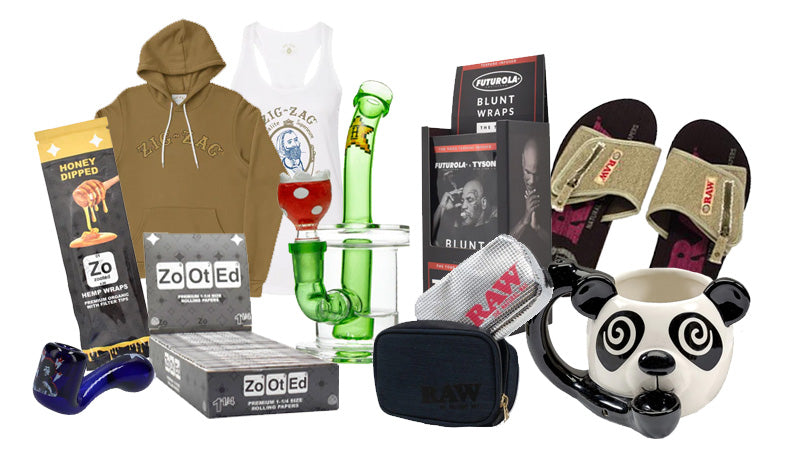
Beyond per-piece discounts, bundling offers a powerful way to increase average order value (AOV). Instead of simply selling a bong, create packages that include complementary accessories. A "Starter Pack’ might include a bong, a bowl, a lighter, and a grinder. A ‘Cleaning Bundle’ could feature a bong, cleaning solution, and brushes. A ‘Connoisseur Collection" could include a premium bong, multiple bowls, and specialized cleaning tools.
Pricing bundles effectively requires careful consideration. Simply adding up the individual prices of the items isn’t always the best approach. Bundles should offer a perceived discount to incentivize purchase. For example, if a bong sells for $40, a bowl for $10, and a grinder for $20, a bundle price of $65 instead of $70 creates a sense of value. This small discount can be enough to push a customer over the edge.
Bundles work because they make the decision easier. Most people would rather buy a 'complete kit' than hunt for individual parts, even if they only save a dollar or two. Good packaging makes the deal feel more substantial.
Don’t underestimate the power of impulse buys within bundles. Including a small, inexpensive item – like rolling papers or a sticker – can further increase the perceived value and encourage a purchase. Effective bundle descriptions should clearly highlight the benefits of each item and the overall value proposition. Focus on solving a problem for the customer – a complete smoking experience, easy cleaning, or a stylish setup.
Negotiating better prices
The sticker price is just a starting point. If you pay on time and order every month, you have leverage. Suppliers prefer steady, predictable buyers and will usually shave a few points off the price to keep you.
Don’t be afraid to ask for exclusive discounts or promotions. If you’re a consistent customer, inquire about volume-based rebates or special offers. Phrases like, “We’re planning a large order for the next quarter, are there any additional discounts available?” or “We’ve been consistently impressed with your product quality, would you consider a loyalty discount?” can open the door to negotiation.
Being a reliable buyer is crucial. Pay invoices on time and communicate proactively about any potential issues. This builds trust and demonstrates your commitment to a long-term partnership. Consider negotiating payment terms, such as net 30, to improve your cash flow. This allows you more time to sell the inventory before needing to pay the supplier.
Prepare your case before negotiating. Research competitor pricing and be ready to justify your request. Knowing your own purchasing power and demonstrating your value as a customer will strengthen your negotiating position. Remember, negotiation is a collaborative process – aim for a win-win outcome that benefits both parties.
- Establish a strong relationship with your supplier.
- Ask for rebates based on your annual spend.
- Negotiate payment terms.
- Be a reliable and communicative buyer.
Shipping and logistics
Shipping costs can quickly erode profit margins. Consolidating orders is a fundamental strategy for minimizing these expenses. Instead of shipping multiple small orders, combine them into larger shipments whenever possible. This reduces the per-unit shipping cost and streamlines the fulfillment process.
Negotiate rates with carriers. If you ship frequently, explore options for volume discounts with major carriers like UPS, FedEx, or USPS. Suppliers like mjwholesale.com and spswholesale.com offer shipping options, but comparing rates is critical. Consider using a third-party logistics (3PL) provider to manage your shipping and fulfillment.
Utilizing supplier warehouses strategically can also save money. If your supplier has multiple warehouses, choose the location closest to your customers to reduce shipping distances and costs. Carefully evaluate the pros and cons of different shipping methods – LTL (Less Than Truckload) for larger orders and parcel shipping for smaller orders.
Proper packaging is essential to prevent damage during transit. Damaged goods result in returns, replacements, and lost profits. Invest in quality packaging materials and ensure your products are adequately protected. Factor the cost of packaging materials into your overall pricing strategy. Don't skimp on protection; it's cheaper than dealing with breakage.
Vetting suppliers for quality
Low prices are meaningless if the product quality is subpar or the supplier is unreliable. Vetting potential suppliers is paramount. Begin by checking references and requesting samples. Evaluate the samples carefully for defects, durability, and overall quality. Don't hesitate to ask detailed questions about their manufacturing processes.
Assess the supplier's quality control processes. What measures do they have in place to ensure consistent product quality? Do they conduct inspections at various stages of production? A reputable supplier will be transparent about their quality control procedures and willing to provide documentation.
Clear communication and responsive customer service are essential. A reliable supplier should be readily available to answer questions, address concerns, and resolve issues promptly. Test their responsiveness by sending inquiries and evaluating their response time. Unresponsive suppliers are a red flag.
Sourcing from unverified suppliers carries significant risks. Counterfeit products, inconsistent quality, and unreliable shipping are common problems. Building long-term relationships with trusted partners is far more valuable than chasing the lowest price. Consider product testing and ensure compliance with safety standards to protect your customers and your business.
- Check references and request samples.
- Assess the supplier's quality control processes.
- Evaluate communication and customer service.
- Prioritize long-term relationships with trusted partners.
No comments yet. Be the first to share your thoughts!