
The rise of smart glass
Smart glass, also known as switchable glass, isn't a concept conjured up for the smoking accessories market. The technology has been steadily maturing for decades, initially finding applications in fields demanding precise control of light and privacy. Electrochromic glass, which changes opacity with voltage, and polymer dispersed liquid crystal (PDLC) glass, which shifts from transparent to translucent, are the most prevalent forms. These aren't laboratory curiosities; they’re used in automotive sunroofs, architectural windows, and even hospital patient privacy screens.
The automotive industry was an early adopter, with Gentex Corporation supplying auto-dimming rearview mirrors since the late 1980s. This demonstrates the long-term reliability and scalability of the core technology. Buildings are increasingly incorporating smart glass to reduce energy consumption by controlling solar heat gain and glare. The technology's move beyond niche applications signifies its readiness for broader adoption, and that includes exploring innovative uses within the wholesale water pipes market.
This isn't about inventing a new science; it's about shrinking a proven industrial tool. The supply chain for these materials is already there. The real work is figuring out how to tuck these components into a hand-blown, heat-resistant piece without ruining the airflow or the aesthetic.
How the tech works
At its heart, smart glass technology relies on altering the way light interacts with the material. Polymer Dispersed Liquid Crystal (PDLC) glass is composed of liquid crystals suspended within a polymer matrix. In its default state, the crystals are randomly oriented, scattering light and making the glass appear opaque or frosted. Applying an electrical voltage aligns the crystals, allowing light to pass through, rendering the glass transparent.
Electrochromic glass operates on a different principle. It utilizes materials that change color—and therefore transparency—in response to an electrical charge. This change is a reversible chemical reaction; when voltage is applied, ions move within the glass, altering its light absorption properties. The color change isn't instantaneous, it involves a switching time, but the effect is durable and doesn’t require constant power to maintain its state.
The key takeaway is that these aren’t surface coatings. The smart properties are inherent to the glass itself, a result of its internal composition. This is different from applying a film or laminate. While external films exist that mimic some of these effects, they lack the durability and seamless integration of true smart glass. The voltage required to switch these materials is relatively low, typically between 5 and 12 volts, making it feasible for battery-powered applications.
Retailers should be aware that the performance of smart glass is affected by temperature. While modern formulations are more stable, extreme heat or cold can impact switching speeds and clarity. Understanding these limitations is crucial for setting realistic expectations with customers.
Practical uses for water pipes
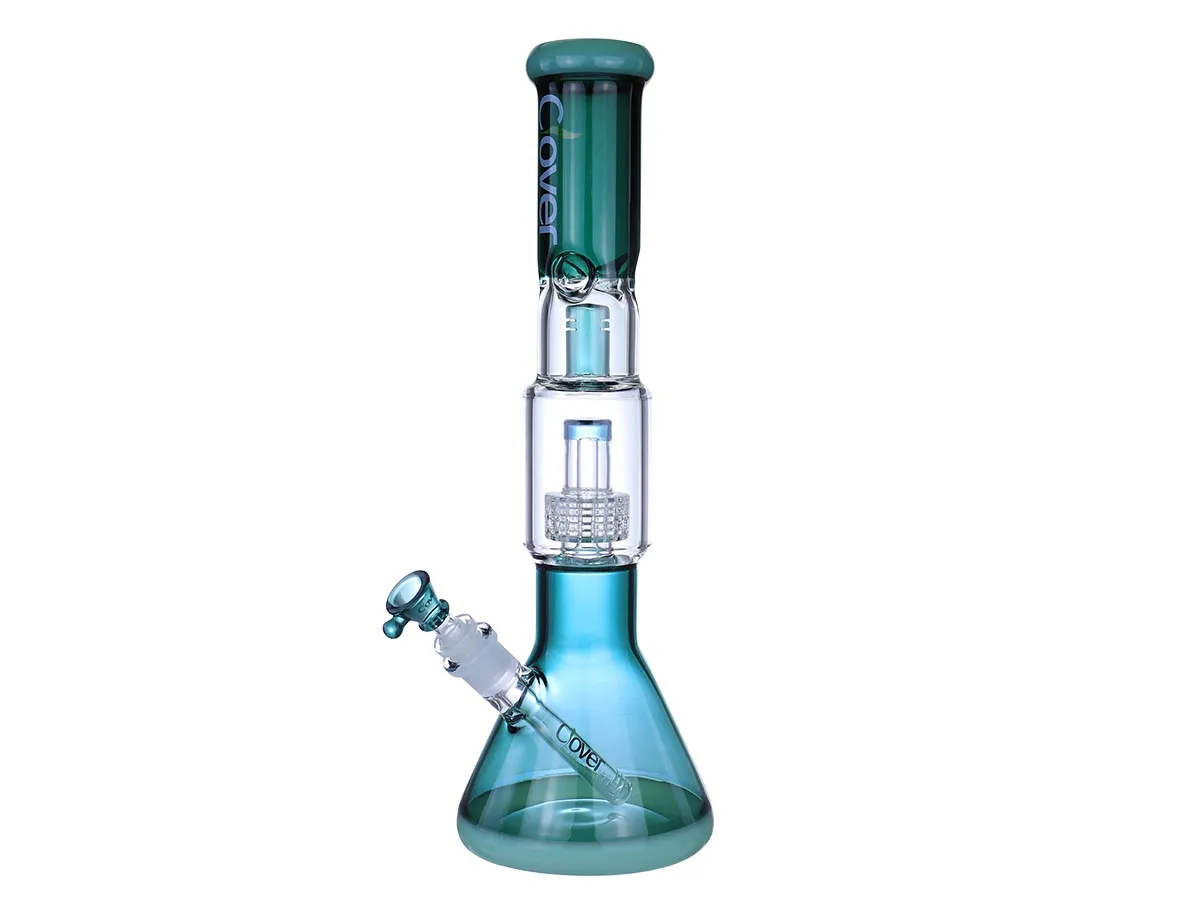
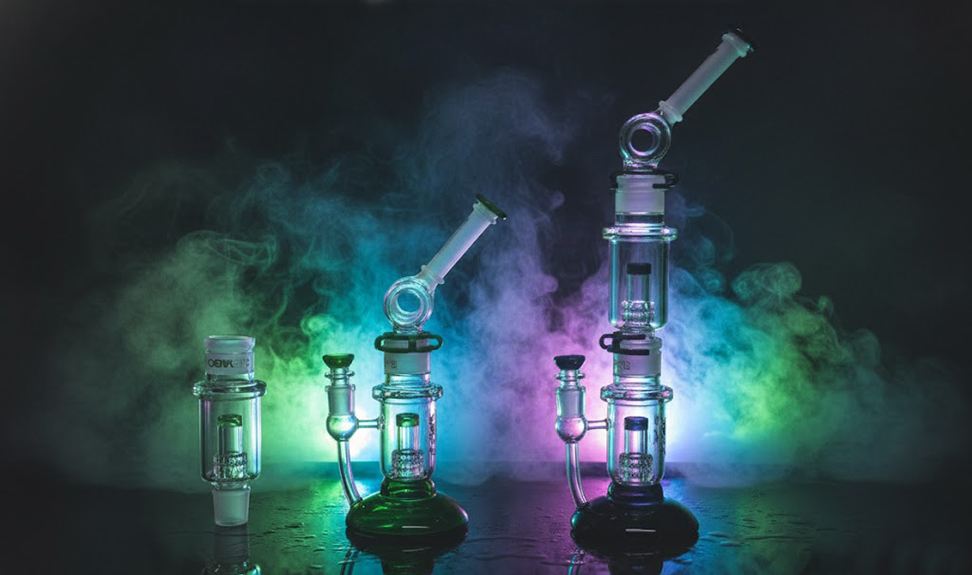
The integration of smart glass into wholesale water pipes opens up a range of possibilities, although some are more practical than others. Adjustable diffusion is perhaps the most immediately viable application. By controlling the opacity of certain sections of the pipe – the downstem or the chamber – users could dynamically adjust airflow resistance, altering the smoking experience on the fly.
Integrated lighting effects are another intriguing prospect. The glass itself could act as a display, illuminated by embedded LEDs, creating dynamic patterns or responding to user input. Temperature indicators are also feasible. Utilizing electrochromic materials that change color at specific temperatures, the pipe could visually indicate water or glass temperature, providing a safety feature and enhancing the aesthetic appeal.
Privacy features, while potentially niche, could also be incorporated. A frosted-on-demand section could provide a degree of discretion. However, the complexity and cost associated with this application might limit its appeal. It's important to focus on applications that genuinely enhance functionality and user experience, rather than simply adding novelty.
A tiered rollout makes the most sense. Start with adjustable diffusion and basic lighting—features that actually change the session—before moving into complex displays. It keeps the initial price point from scaring off the early adopters.
Manufacturing and cost hurdles
Integrating smart glass into traditional glassblowing presents significant manufacturing challenges. Borosilicate glass, the standard material for water pipes, requires high-temperature processing. Incorporating smart glass components – the electrodes, liquid crystals, or electrochromic materials – into this process requires precise control and specialized equipment. It’s unlikely existing glassblowing setups can handle this without substantial modification.
The cost of smart glass is significantly higher than traditional borosilicate glass. As of late 2023, PDLC film alone can range from $50 to $200 per square foot, depending on the thickness and quality. Electrochromic glass is generally even more expensive. These material costs, combined with the added complexity of manufacturing, will inevitably result in a higher retail price point.
Potential manufacturing partnerships are crucial. Collaborating with companies specializing in smart glass integration could mitigate some of the technical hurdles. However, finding a partner willing to adapt their processes to the specific requirements of the smoking accessories market might be difficult. The initial investment in tooling and training will be substantial, and retailers need to factor this into their business plans.
I’m not sure how easily existing glassblowing techniques can be adapted. It's possible that entirely new manufacturing processes will need to be developed, potentially involving layering or embedding smart glass components within the borosilicate structure.
Current material suppliers
While no company is currently advertising smart glass specifically for water pipes, several material suppliers are at the forefront of smart glass technology. Smartfilm, for example, offers a range of PDLC films and switchable glass solutions for architectural and automotive applications. They provide both self-adhesive films and laminated glass panels.
RavenBrick specializes in electrochromic windows and glass, focusing on energy efficiency and dynamic shading. Their technology is geared towards larger-scale applications, but their expertise in electrochromic materials could be relevant. Polytronix is another key player, offering electrochromic displays and materials for various industries.
These suppliers focus on cars and skyscrapers, so any partnership will require custom specs. Still, their existing production lines are the best starting point. Research labs are also testing cheaper materials that could bring the per-unit cost down by 2026.
I haven't found any evidence of direct collaboration between these suppliers and companies in the headshop space. This suggests a significant opportunity for forward-thinking retailers and manufacturers to forge new partnerships and drive innovation.
Comparative Analysis: Smart Glass Technologies for Water Pipe Applications
| Technology | Key Features | Target Applications | Estimated Cost | Scalability |
|---|---|---|---|---|
| Smartfilm | Utilizes Polymer Dispersed Liquid Crystal (PDLC) film to switch between transparent and opaque states. | Privacy features; potential for dynamic aesthetic changes in water pipe design. | Medium | Medium |
| RavenBrick | Employs electrochromic technology, altering light transmission via applied voltage. | Color-changing capabilities; potential for temperature indication or user-defined visual effects. | High | Medium |
| Polytronix | Focuses on switchable privacy glass using PDLC, offering control over transparency. | Similar to Smartfilm, with emphasis on larger surface area applications and potential integration with lighting. | Medium | Medium |
| Smartfilm (Advanced) | Some iterations include embedded heating elements within the PDLC film. | Potential for condensation control or localized warming of the water chamber (requires careful thermal management). | High | Low |
| RavenBrick (Custom) | Offers custom electrochromic formulations for specific color palettes and switching speeds. | Highly tailored aesthetic designs; branding opportunities through unique color transitions. | High | Low |
| Polytronix (Integrated) | Systems designed for integration with external control systems and sensors. | Potential for automated effects triggered by environmental factors or user input. | High | Medium |
Illustrative comparison based on the article research brief. Verify current pricing, limits, and product details in the official docs before relying on it.
Retailer Concerns: Durability and Safety
Durability is arguably the biggest concern for retailers considering smart glass water pipes. Borosilicate glass is known for its thermal shock resistance, but adding smart glass components could compromise this property. The electrodes and liquid crystal layers are inherently more fragile than solid glass, making them susceptible to cracking or damage from impact or rapid temperature changes.
Electrical safety is another critical consideration. While the voltage required to operate smart glass is relatively low, there's still a potential risk of shock or malfunction if the electrical components are not properly sealed and insulated. Ensuring compliance with relevant safety standards – such as UL or CE certification – is paramount.
Rigorous testing is essential to address these concerns. Water pipes are subjected to a lot of wear and tear, and the smart glass components need to withstand repeated use and cleaning. Testing should include drop tests, thermal shock tests, and electrical safety assessments. It’s important to determine the long-term reliability of the technology under realistic conditions.
Be honest about the trade-offs. If a pipe is more prone to thermal shock because of the internal layers, tell the customer. Clear warnings about cleaning and heat limits will prevent a wave of returns.
The 2026 outlook
The widespread adoption of smart glass in the wholesale water pipe market is unlikely to happen overnight. In 2026, I anticipate we’ll see limited, high-end offerings targeted at discerning consumers willing to pay a premium for cutting-edge technology. These initial products will likely focus on adjustable diffusion and simple integrated lighting effects.
Price reductions will be gradual, dependent on advancements in manufacturing processes and economies of scale. As the technology matures and demand increases, the cost of smart glass materials is likely to decrease, making it more accessible to a wider range of retailers and consumers.
Increased product variety will follow. As manufacturers gain experience and confidence, we can expect to see more sophisticated designs and features, such as temperature indicators and more complex lighting effects. However, durability and safety will remain key considerations.
I expect the initial market penetration will be slow, but steady growth is likely as the technology becomes more affordable and reliable. Retailers who embrace this innovation early on will be well-positioned to capitalize on the emerging trend.
No comments yet. Be the first to share your thoughts!