
2026 wholesale glass pricing trends
Wholesale glass prices are tied to the cost of silica and borosilicate. In 2026, energy and labor costs haven't dropped, and shipping rates are still higher than they were three years ago. You're paying for the heat it takes to melt the glass and the fuel it takes to move it.
Recent months have shown a stabilization of some costs, but this isn't a guarantee. Silica prices, while not spiking, haven’t seen significant drops, and energy costs remain volatile. Early indicators suggest demand will remain steady, but a potential economic slowdown could dampen sales, forcing suppliers to adjust. We’re also observing a trend towards more complex glasswork – perc bongs, elaborate rigs – which naturally increase production time and therefore cost.
What this means for retailers is a continued need for careful margin management. Expect pricing to be dynamic, and be prepared to adjust your strategies accordingly. Building strong relationships with suppliers is more important than ever. Relying on a single source is risky; diversifying your supplier network will provide leverage during price negotiations and ensure consistent stock. I'd advise against assuming current pricing will hold firm; proactive monitoring is essential.
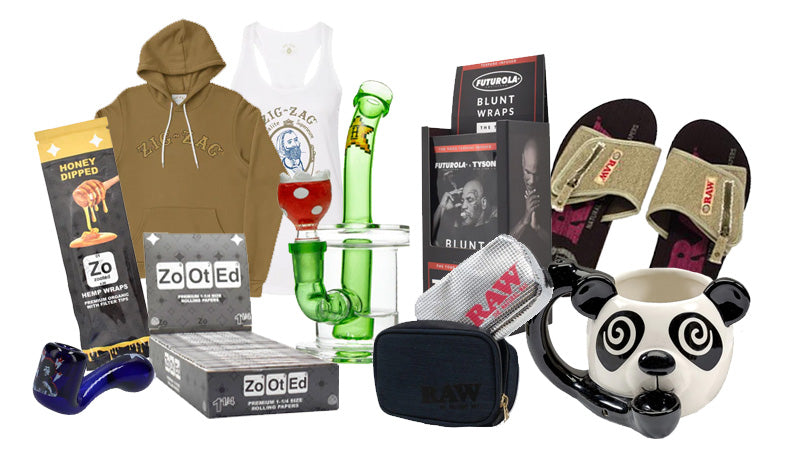
Tiered pricing and volume discounts
Almost all wholesale suppliers operate on a tiered pricing system. This is based on the principle that larger orders justify lower per-unit costs for the supplier due to economies of scale. Understanding these tiers and the associated minimum order quantities (MOQs) is absolutely essential for maximizing your margins. SPS Wholesale, for example, has a $100 minimum order, which is fairly common as a starting point.
Typical tiers look something like this: 25-99 pieces (standard wholesale pricing), 100-499 pieces (Tier 1 discount, usually around 5-10%), 500-999 pieces (Tier 2 discount, 10-15%), and 1000+ pieces (Tier 3 discount, 15% or more). These percentages aren’t fixed, of course, and will vary by supplier and product category. Don’t be afraid to ask suppliers for a detailed price list outlining their tiered structure.
Negotiating better rates is possible, particularly with consistent order volume. If you demonstrate a reliable purchasing history, suppliers are often willing to offer custom discounts or waive MOQs. Long-term partnerships are highly valued. Clearly communicating your sales forecasts and planned promotions can also give you leverage during negotiations. Don't just accept the first price offered; always inquire about potential discounts.
Wholesale Pricing Structure Comparison for Smoking Accessories (2026)
| Pricing Structure | Advantages | Disadvantages | Ideal Retailer Profile |
|---|---|---|---|
| Flat Rate | Simplicity in calculation and administration. Predictable costs for both buyer and seller. | May not reflect bulk purchasing power. Can be less competitive for large orders. | Smaller headshops with limited order volume; retailers prioritizing ease of accounting. |
| Tiered | Offers decreasing per-unit cost as order volume increases, incentivizing larger purchases. More competitive than flat rate for varying order sizes. | Requires more complex pricing management. Potential for confusion if tiers aren't clearly defined. | Mid-sized headshops with a consistent, growing order volume; retailers seeking a balance between simplicity and cost savings. |
| Volume-Based | Highly competitive for large orders. Directly rewards significant purchasing commitment. | May not be suitable for retailers with inconsistent or small order needs. Requires accurate forecasting. | Large-scale retailers, distributors, or chains with predictable, high-volume demands. |
| Custom | Tailored to specific retailer needs and purchasing patterns. Allows for negotiation and building strong relationships. | Most administratively intensive. Requires dedicated account management and potential for pricing discrepancies. | Retailers with unique product mixes, branding requirements, or specialized order patterns; those seeking a long-term partnership with a supplier. |
| Hybrid (Tiered + Volume) | Combines the benefits of both tiered and volume-based pricing, offering flexibility and scalability. | More complex to implement and manage than simpler structures. | Retailers anticipating growth and desiring a pricing structure that adapts to changing order volumes. |
| Cost-Plus | Transparent pricing based on the supplier's cost plus a markup. Builds trust and demonstrates value. | Requires detailed cost accounting and may not be the most competitive option. | Retailers prioritizing transparency and a collaborative relationship with their supplier. |
Illustrative comparison based on the article research brief. Verify current pricing, limits, and product details in the official docs before relying on it.
What you'll pay by category
Let’s break down typical wholesale price ranges by product category. These are, admittedly, broad estimates and will fluctuate based on glass quality, brand, and design complexity. Hand pipes generally fall between $2 and $10 per piece, with simpler designs at the lower end and more intricate or branded pipes towards the higher end. Bubblers typically range from $5 to $20, again depending on size and features.
Bongs represent a wider price spectrum, from $15 for basic beaker bongs to $50 or more for larger, percolated models. Dab rigs are generally more expensive, ranging from $20 to $80+, with prices increasing significantly for rigs featuring complex percs, high-quality glass, or established brand names. Accessories like bowls, downstems, and ash catchers are the most affordable, typically costing between $1 and $5 per piece.
Check catalogs from high-volume distributors to see where the floor is. These are raw costs; I usually aim for a 2x to 3x markup depending on the local competition. If you only stock $50 bongs, you're ignoring the customers who just want a $10 hand pipe.
- Hand pipes: $2 to $10
- Bubblers: $5 - $20/piece
- Bongs: $15 - $50+/piece
- Dab Rigs: $20 - $80+/piece
- Accessories: $1 - $5/piece
Margin Optimization Checklist
- Category Analysis - Regularly analyze sales data to pinpoint best-selling product categories, such as bubblers, rigs, or hand pipes. Focus inventory investment on high-turnover items.
- Slow-Moving Stock - Identify and address slow-moving inventory. Consider clearance sales, promotional discounts, or returning items to suppliers if agreements allow. Examples include specific color variations of Sherlock pipes or less popular ash catchers.
- Supplier Comparison - Systematically compare wholesale prices for equivalent products across multiple suppliers like Empire Glassworks, Grav Labs, and Marley Natural. Factor in shipping costs and minimum order quantities.
- Price Sensitivity Testing - Evaluate customer price sensitivity for key items. A/B testing different price points on similar glass pieces (e.g., different colored Klein recyclers) can reveal optimal pricing strategies.
- Bundle Opportunities - Consider offering bundled deals to increase average transaction value. Combine a popular glass pipe with cleaning solution (Formula 420) and rolling papers (Raw) for a value-added package.
- Accessory Margins - Review margins on ancillary accessories like grinders (Santa Cruz Shredder), lighters (Zippo), and storage containers (Pulsar). These often have higher markup potential.
- Seasonal Adjustments - Adjust pricing and promotions based on seasonal demand. For example, increase stock and potentially offer discounts on larger pieces during peak seasons, and focus on smaller, impulse-buy items during slower periods.
Shipping and logistics
Shipping is a significant cost factor that can quickly erode your profit margins. Common shipping methods include ground (the most economical but slowest), expedited (faster but more expensive), and freight (for very large orders). Average shipping costs vary considerably based on weight, distance, and carrier. Obtaining quotes from multiple carriers is crucial for finding the best rates. Consider negotiating shipping rates with your supplier as part of your overall agreement.
Packaging is also paramount. Fragile glass products require robust packaging to prevent breakage during transit. While it’s tempting to cut corners on packaging to save money, the cost of replacing damaged goods will far outweigh any initial savings. Invest in high-quality packing materials – bubble wrap, foam inserts, sturdy boxes – and ensure items are adequately protected. SPS Wholesale ships from California, so retailers on the East Coast will naturally face higher shipping costs.
Insurance is non-negotiable. Always insure your shipments against loss or damage. The cost of insurance is relatively low compared to the potential loss of a large order. Be aware of carrier liability limits and ensure your insurance coverage is sufficient. Document everything – take photos of the packaged goods before shipping and retain all shipping documents in case of a claim.
The cost of branding and custom orders
Increasingly, retailers are seeking ways to differentiate themselves through branded products. Custom branding options include logo etching, custom packaging, and private labeling. Logo etching, where your logo is permanently etched onto the glass, is typically the most affordable option. Custom packaging – boxes, labels, inserts – allows you to create a unique unboxing experience for your customers.
Minimum order quantities (MOQs) for custom orders are generally higher than for standard products. Expect to order at least 100-200 pieces for logo etching and 500+ pieces for custom packaging. The price per piece will vary depending on the complexity of the design and the quantity ordered. ShopLuvBuds offers custom branded supplies, demonstrating the growing demand for this service.
The cost of customization is influenced by several factors: the size and complexity of the logo, the type of etching or printing process used, and the quantity ordered. Obtain quotes from multiple suppliers before making a decision. Carefully consider the return on investment (ROI) of custom branding – will the increased brand recognition and customer loyalty justify the added cost?
Emerging Trends: Sustainable Glass
There’s a growing consumer demand for sustainable and ethically sourced products, and the glass industry is starting to respond. This includes the use of recycled glass in manufacturing, eco-friendly packaging materials (biodegradable or compostable), and suppliers with responsible manufacturing practices. While sustainable glass products may currently come at a premium, catering to this market segment can attract environmentally conscious customers.
The price difference between sustainable and conventional glass is still relatively small, but it’s expected to increase as demand grows. Look for suppliers who are transparent about their sourcing and manufacturing processes. Certifications like B Corp can be a good indicator of a supplier’s commitment to sustainability. While it’s still an emerging trend, it’s one worth watching closely. It's likely to become a more significant factor in purchasing decisions in the coming years.
No comments yet. Be the first to share your thoughts!