
The carbon footprint of glass
Glass manufacturing is energy-intensive. Melting raw materials like silica sand, soda ash, and limestone requires heat reaching 1500°C, which historically comes from fossil fuels. Every stage, from melting to annealing, adds to the carbon footprint.
The melting phase creates the most emissions. The Glass Packaging Institute reported in 2022 that producing one ton of glass takes about 2.5 million BTU. Most of this energy still comes from natural gas or fossil-fuel-based electricity.
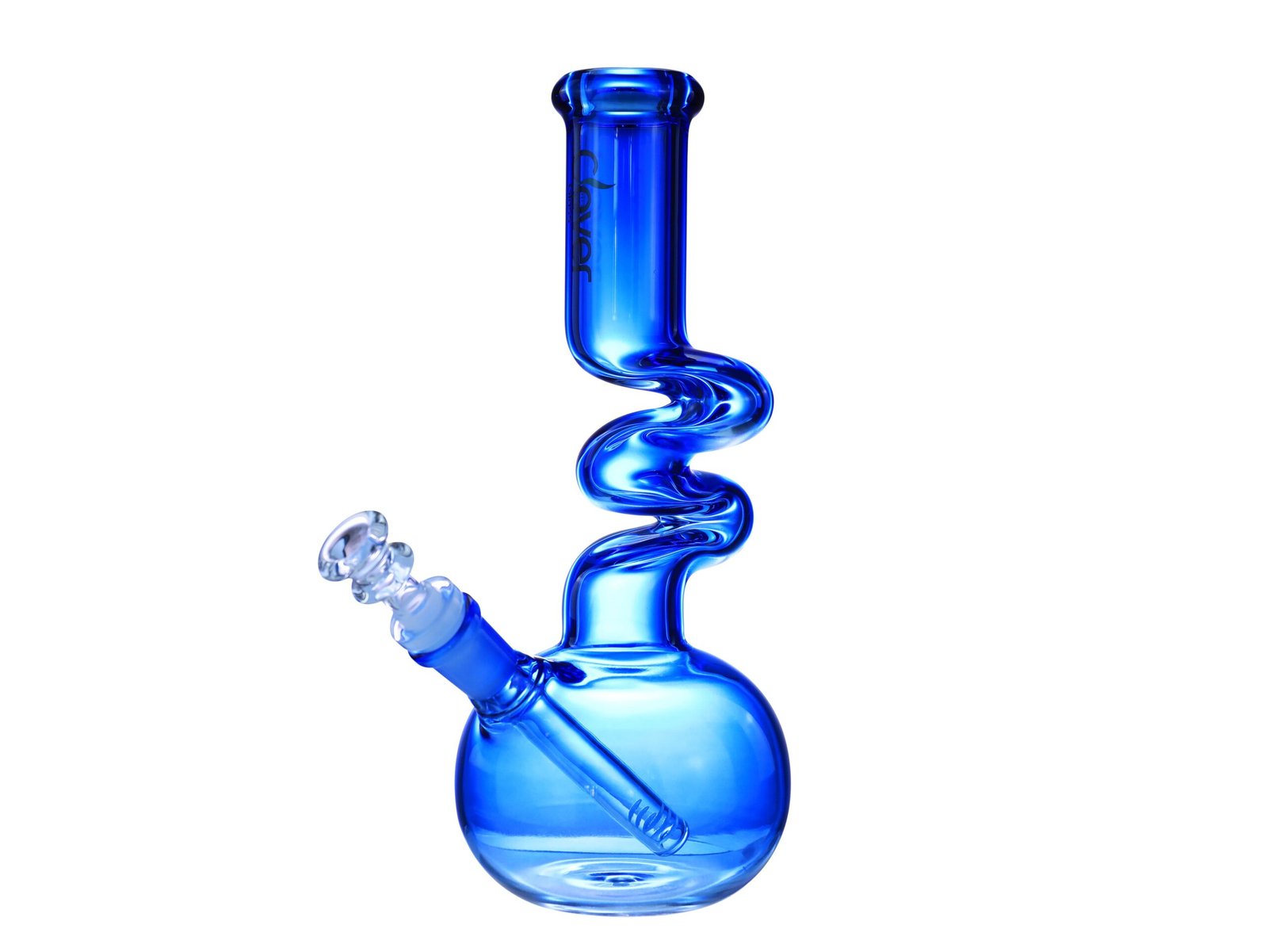
Considering the sheer volume of glass products manufactured globally, even seemingly small inefficiencies add up. The wholesale market for glass smoking accessories – including wholesale water pipes and glass bongs wholesale – is substantial and growing, further emphasizing the need for sustainable practices. We’re seeing increased demand, particularly from retailers focused on a more conscious consumer base. Ignoring the environmental impact isn’t a viable option long-term.
It’s important to remember that the environmental impact isn't limited to energy consumption. Quarrying silica sand can disrupt ecosystems, and the transportation of raw materials and finished products also contributes to the carbon footprint. A comprehensive assessment needs to consider the entire lifecycle of the product, from resource extraction to end-of-life disposal.
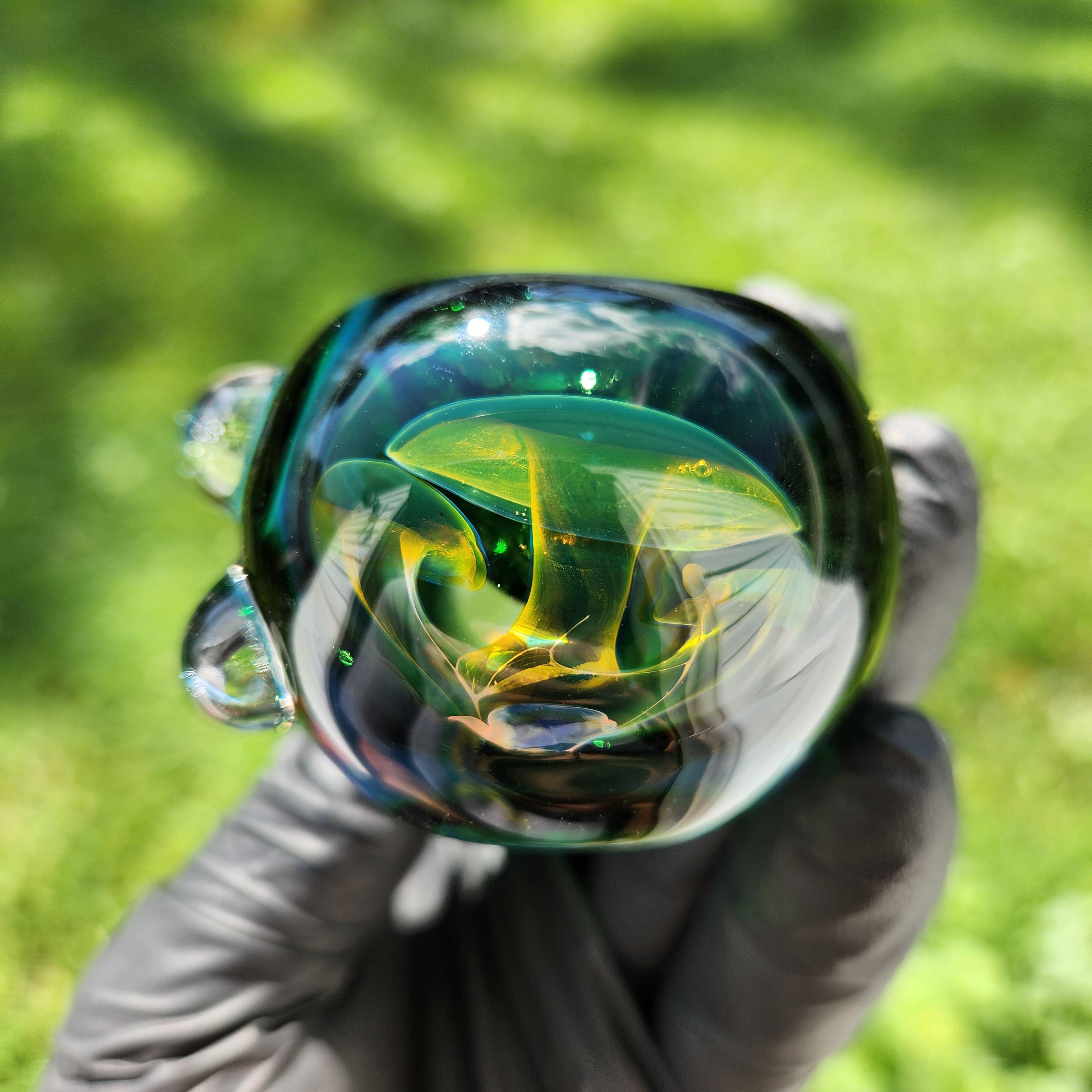
Recycled glass and the cullet challenge
Cullet, or recycled glass, offers a promising pathway towards a more sustainable glass manufacturing process. Using cullet reduces the need for virgin raw materials, lowering the environmental impact associated with their extraction and processing. More importantly, cullet melts at a lower temperature than raw materials, significantly decreasing energy consumption. Estimates suggest that for every 10% of cullet used in the glass melt, approximately 1% energy is saved.
However, the reality is more complex than simple percentages suggest. Currently, the percentage of cullet used in glass production varies widely depending on the application and region. While some specialized glass manufacturers utilize nearly 100% cullet, the average across all glass production is considerably lower – likely around 20-30%. This is due to technical challenges related to maintaining consistent quality and color when using recycled glass.
The primary challenge lies in sourcing a reliable supply of cullet that is free from contaminants and sorted by color. Contaminants can weaken the glass or affect its optical properties, making it unsuitable for certain applications. The smoking accessory market, with its demand for specific colors and clarity, is particularly sensitive to cullet quality. Finding consistent, high-quality cullet streams is a hurdle.
New sorting technologies are helping improve cullet quality, and some industries are moving toward closed-loop systems. While these haven't hit the wholesale smoking accessory market yet, the tech is ready for adoption.
Comparative Analysis of Glass Production Methods - Sustainability & Performance (2026 Projections)
| Production Method | Energy Consumption | Raw Material Sourcing | Glass Quality/Clarity | Cost |
|---|---|---|---|---|
| Virgin Glass | High | Entirely new raw materials (silica sand, soda ash, limestone). Reliance on mining operations. | Generally highest clarity and consistency, minimal imperfections. | Typically highest cost due to material extraction and processing. |
| 50% Cullet | Medium | 50% recycled glass (cullet) and 50% new raw materials. Reduced reliance on primary resource extraction. | High clarity, potential for minor variations depending on cullet source. Requires careful cullet sorting. | Moderate cost; benefits from reduced raw material needs but requires cullet processing. |
| 100% Cullet | Low | Exclusively recycled glass (cullet). Significantly reduces demand for virgin materials. | Clarity can vary based on cullet purity and color sorting. May exhibit slight color variations or minor imperfections. | Potentially lowest cost, dependent on cullet availability and processing efficiency. |
| Virgin Glass (Solar-Powered) | Medium | Entirely new raw materials, but utilizes renewable energy sources during manufacturing. | Generally highest clarity and consistency. | High cost, offset by potential carbon credits or reduced energy expenses. |
| 50% Cullet (Electric Furnace) | Medium-Low | 50% recycled glass, 50% new materials, processed using electricity (potentially from renewable sources). | High clarity, similar to standard 50% cullet production. | Moderate cost, potentially reduced with renewable energy incentives. |
| 100% Cullet (Electric Furnace) | Low | Exclusively recycled glass, processed using electricity. | Clarity dependent on cullet quality, but can be comparable to virgin glass with advanced sorting. | Lowest cost, assuming efficient cullet sourcing and processing. |
Illustrative comparison based on the article research brief. Verify current pricing, limits, and product details in the official docs before relying on it.
Borosilicate vs. soda-lime
The vast majority of wholesale bongs and other glass smoking accessories are made from either borosilicate or soda-lime glass. Soda-lime glass is the more common and less expensive option, composed primarily of silica, soda ash, and limestone. Borosilicate glass, on the other hand, contains boron trioxide, which gives it superior thermal shock resistance and durability. This makes borosilicate ideal for applications requiring resistance to rapid temperature changes.
While borosilicate’s durability may suggest a lower lifecycle impact due to increased product lifespan, the reality is more nuanced. Producing borosilicate glass generally requires higher temperatures and more energy than soda-lime glass. This increased energy demand offsets some of the benefits of its longevity. The recyclability of both types of glass is generally good, but the presence of boron in borosilicate can sometimes pose challenges in certain recycling streams.
The energy requirements for production differ significantly. Estimates suggest that producing one ton of borosilicate glass requires approximately 15-20% more energy than producing one ton of soda-lime glass. However, the type of furnace used and the efficiency of the manufacturing process have a substantial impact on these figures. There are also potential differences in the types of contaminants that can affect recyclability, with boron potentially complicating the process.
Determining which glass type is definitively "better’ from a sustainability perspective is difficult. It depends on a multitude of factors, including the manufacturing process, the product"s lifespan, and the availability of effective recycling infrastructure. Both materials have their trade-offs.
Alternative Glass Compositions & Additives
Researchers are exploring alternative glass compositions and additives to reduce the environmental impact of glass production. One area of focus is the development of bio-based additives that can improve glass strength or lower melting temperatures. For example, some studies have investigated the use of plant-derived materials to enhance glass properties, although these are still largely in the experimental phase.
Another promising avenue is the utilization of waste materials as a component in glass production. Fly ash, a byproduct of coal combustion, has been shown to be a viable substitute for some of the raw materials used in glassmaking. Using fly ash not only reduces the demand for virgin materials but also diverts a waste stream from landfills. However, the use of fly ash can also introduce contaminants, requiring careful quality control.
Several companies are experimenting with alternative glass formulations, but progress is often hampered by technical challenges and cost considerations. Maintaining the desired optical properties and durability while incorporating recycled or bio-based materials is a significant hurdle. The smoking accessory market, with its aesthetic demands, adds another layer of complexity.
I’ve seen some preliminary research on using basalt fiber as a reinforcing agent in glass, potentially reducing the need for boron. It's a long-term possibility, but widespread adoption is still years away. These innovations represent a shift towards a more circular economy within the glass industry.
- Bio-based additives for strength
- Use of fly ash as a substitute for raw materials
- Incorporation of basalt fiber for reinforcement
- Exploration of alternative silicate sources
Emerging Materials & Additives
- Recycled Cullet - Utilizing post-consumer and post-industrial glass waste (cullet) significantly reduces the need for virgin materials, lowering energy consumption during melting as cullet melts at a lower temperature.
- Bio-Based Silica - Research explores deriving silica, the primary component of glass, from rice husk ash, a byproduct of rice processing, offering a renewable alternative to traditional silica sand extraction.
- Sodium Bicarbonate as a Flux - Substituting some soda ash (sodium carbonate) with sodium bicarbonate can lower CO2 emissions during the glassmaking process, though maintaining glass properties requires careful formulation.
- Limestone Additives - Incorporating finely ground limestone (calcium carbonate) can partially replace soda ash, reducing the overall carbon footprint and potentially improving glass durability.
- Boron Alternatives - With boron supply chain concerns, researchers are investigating alternative fluxes like zinc oxide or aluminum oxide to achieve similar thermal shock resistance in borosilicate glass.
- Magnesium Oxide Doping - Increasing magnesium oxide content can lower the melting temperature and improve the chemical durability of soda-lime glass, potentially reducing energy use and extending product lifespan.
- Waste Paper Ash - Studies demonstrate the feasibility of using treated waste paper ash as a silica and alumina source in glass production, diverting waste from landfills and reducing raw material dependence.
Manufacturing Process Innovations
Beyond material composition, significant sustainability gains can be achieved through innovations in the manufacturing process itself. A key area of focus is furnace technology. Traditional glass furnaces are typically heated by burning natural gas. However, electric melting – using electricity to heat the glass – offers the potential to significantly reduce carbon emissions, especially when powered by renewable energy sources.
Switching to electric melting isn’t straightforward. It requires substantial upfront investment in new equipment and access to a reliable and affordable supply of electricity. The cost-effectiveness of electric melting depends heavily on the local energy mix. If the electricity is generated from coal, the environmental benefits are diminished. However, as renewable energy sources become more prevalent and affordable, electric melting will become increasingly attractive.
Innovations in forming and annealing processes can also reduce energy consumption and waste. For example, optimizing the annealing cycle can minimize cracking and breakage, reducing the need to remake products. Implementing more precise temperature control systems can also improve energy efficiency. Some manufacturers are experimenting with advanced modeling techniques to optimize these processes.
Several companies are leading the way in these areas. Corning, for instance, has invested heavily in electric melting technology for its specialty glass products. While these advancements are often focused on larger-scale production, the principles can be applied to the manufacturing of wholesale water pipes and other glass accessories.
Packaging and Shipping: Reducing the Secondary Impact
The environmental impact of glass products extends beyond the manufacturing process to include packaging and shipping. Traditional packaging often relies heavily on plastic and non-recyclable materials. Switching to sustainable packaging options – such as recycled cardboard, biodegradable packing peanuts, and minimizing plastic use – can significantly reduce the overall carbon footprint.
Optimizing shipping logistics is equally important. Consolidating shipments, utilizing more fuel-efficient transportation modes, and reducing packaging volume can all contribute to lower emissions. The location of distribution centers also plays a role. Shipping products from major hubs like California (SPS Wholesale) can result in longer transportation distances and higher emissions for customers on the East Coast.
Retailers can play a critical role in minimizing packaging waste. Encouraging customers to reuse or recycle packaging, offering discounts for customers who return packaging materials, and collaborating with suppliers to reduce packaging volume are all effective strategies. Ultimately, a shift towards more minimalist packaging is desirable.
A simple checklist for sustainable packaging includes: prioritizing recycled content, minimizing void fill, using biodegradable or compostable materials, and designing packaging for easy disassembly and recycling. These steps, while seemingly small, can collectively make a significant difference.
- Prioritize recycled content in packaging materials
- Minimize void fill to reduce shipping volume
- Use biodegradable or compostable materials whenever possible
- Design packaging for easy disassembly and recycling
Wholesale Trends: Demand for Eco-Friendly Products
There is a growing, though still emerging, demand for sustainable smoking accessories among consumers. While it’s difficult to quantify precisely, anecdotal evidence suggests that a significant segment of the market is actively seeking out eco-friendly options. This trend is particularly pronounced among younger consumers, who are generally more environmentally conscious.
Data from MJ Wholesale and SPS Wholesale, while not specifically broken down by "sustainable’ products, indicates a general increase in demand for products made from alternative materials, such as silicone. This could be interpreted as a proxy for consumer interest in more sustainable options. However, it’s important to note that silicone isn"t necessarily a perfect substitute for glass from an environmental perspective.
Retailers are beginning to respond to this demand by offering a wider range of eco-friendly products. However, the price premium associated with sustainable options remains a barrier for some consumers. Studies suggest that consumers are willing to pay a modest premium – perhaps 5-10% – for products that are demonstrably more sustainable, but beyond that, price sensitivity increases significantly.
The business case for sustainability is becoming increasingly compelling. As consumer demand for eco-friendly products grows, retailers who prioritize sustainability will be well-positioned to capture a larger share of the market. Investing in sustainable sourcing and manufacturing practices is no longer just an ethical imperative; it’s a smart business strategy.
No comments yet. Be the first to share your thoughts!