
Current glass market trends
Glass prices are finally steadying after three years of chaos. Silica and borosilicate costs spiked during the supply chain mess, and while the shipping lanes are open now, raw material prices haven't dropped back to 2019 levels. You're paying more for the base glass, and that's the new baseline.
Demand continues to be strong, fueled by the expansion of legal cannabis markets across the US and beyond. However, that demand is becoming more price-sensitive as more retailers enter the space. It’s a tricky balance; customers want quality, but they’re also looking for deals. This means margins are under pressure, and smart pricing is more important than ever.
Looking ahead to 2026, I expect these trends to continue. It’s unlikely we’ll see a dramatic drop in material costs, and competition will probably intensify. Retailers who proactively manage their pricing strategies now will be best positioned to thrive. It's not about chasing the lowest price, but about understanding your costs and your customers.
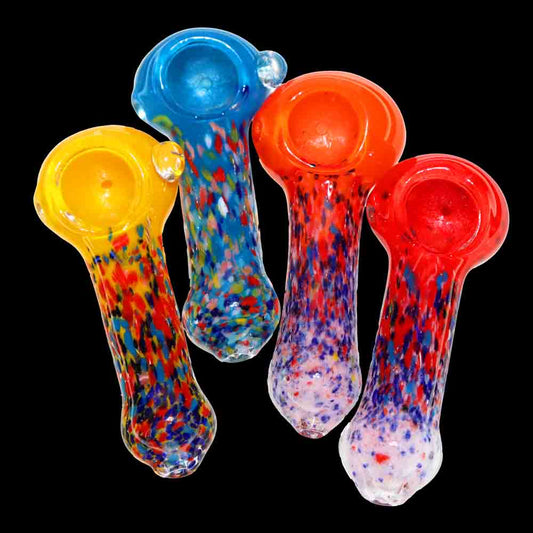
Cost-plus vs. value pricing
There are two primary ways retailers approach pricing: cost-plus and value pricing. Cost-plus is the simpler method – you calculate your cost for an item and add a fixed markup percentage. It’s straightforward, but it doesn’t necessarily reflect what customers are willing to pay. It's a good starting point, but rarely the whole story.
Value pricing, on the other hand, considers the perceived value of the product to the customer, as well as what competitors are charging. This requires a deeper understanding of your target market and brand positioning. A beautifully designed piece from a well-respected artist can command a higher price, even if the material cost is similar to a mass-produced item.
Many shops fall into the trap of relying solely on cost-plus pricing. It feels safe, but it can leave money on the table. If your brand is known for quality and curation, you have more leeway to employ value pricing. Don’t be afraid to test different price points and see what resonates with your customers.
Finding the right markup
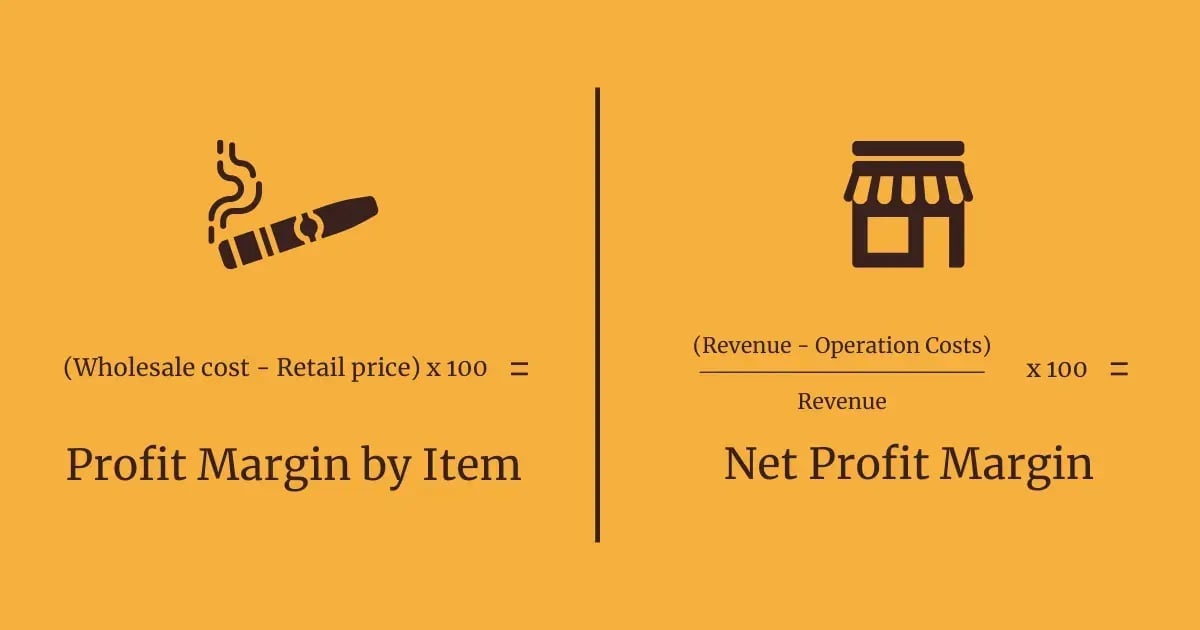
Let's get down to brass tacks. Calculating markup is essential. A 50% markup on a $10 wholesale item means adding $5 to the cost, resulting in a $15 retail price. A 75% markup adds $7.50, for a $17.50 price tag. A 100% markup doubles the cost, bringing it to $20.
But markup isn’t the whole picture. You need to factor in your operating costs – rent, utilities, labor, marketing, and so on. These costs need to be covered by your overall sales. A simple way to think about this is to calculate your desired profit margin, and then work backward to determine the necessary markup.
You have to balance these markups against your rent and labor. If your overhead is high, a 50% markup is a slow way to go out of business. I usually look at the total monthly nut before deciding if a double-up (100% markup) is enough to actually keep the lights on.
- 50% Markup: $10 (cost) + $5 (markup) = $15 (retail)
- 75% Markup: $10 (cost) + $7.50 (markup) = $17.50 (retail)
- 100% Markup: $10 (cost) + $10 (markup) = $20 (retail)
Category-Specific Price Ranges (2024 Data)
Okay, let’s look at some real numbers, based on data from shopluvbuds.com and spswholesale.com as of late 2024. Keep in mind these are ranges, and prices will vary depending on quality, brand, and complexity. Hand pipes generally range from $3 to $15 wholesale, with simpler acrylic or metal pipes on the lower end and more elaborate glass pieces towards the higher end.
Bubblers typically fall between $8 and $30 wholesale. Again, material and design play a significant role. Bongs are a wider range, from around $15 for a basic acrylic bong to $60+ for a large, complex glass water pipe. Dab rigs, being more specialized, tend to be pricier, ranging from $20 to $100+ wholesale, depending on size, design, and included accessories.
Finally, accessories like bowls, downstems, and ash catchers are generally the most affordable, with wholesale prices ranging from $0.50 to $8 per piece. Silicone accessories are often on the lower end of that range. Remember to check both shopluvbuds.com and spswholesale.com for the most up-to-date pricing information.
- Hand pipes: $3 to $15 (acrylic vs. thick glass)
- Bubblers: $8 - $30
- Bongs: $15 - $60+
- Dab Rigs: $20 - $100+
- Accessories: $0.50 - $8
Wholesale Smoking Accessories Pricing & Potential Retail Markups (2026 Estimates)
| Product Category | Quality Tier | Wholesale Price Range (per piece) | Typical Retail Markup | Potential Profit Margin |
|---|---|---|---|---|
| Hand Pipes 💨 | Basic | $2 - $5 | 50-75% | Moderate |
| Hand Pipes 💨 | Mid-Range | $6 - $15 | 60-80% | Good |
| Hand Pipes 💨 | Premium | $16+ | 70-90% | High |
| Bongs/Bubblers 💧 | Basic | $10 - $30 | 50-70% | Moderate |
| Bongs/Bubblers 💧 | Mid-Range | $31 - $75 | 60-80% | Good |
| Bongs/Bubblers 💧 | Premium | $76+ | 70-90%+ | High |
| Dab Rigs 🔥 | Mid-Range | $20 - $60 | 65-85% | Good |
| Dab Rigs 🔥 | Premium | $61+ | 75-100%+ | Very High |
Illustrative comparison based on the article research brief. Verify current pricing, limits, and product details in the official docs before relying on it.
How tiered pricing works
Tiered pricing is a powerful tool for incentivizing larger orders. A common structure looks like this: 1-9 pieces at $X/piece, 10-49 pieces at $Y/piece (where Y < X), and 50+ pieces at $Z/piece (where Z < Y). SPS Wholesale frequently uses this approach.
Offering these discounts encourages customers to buy in bulk, increasing your order size and overall revenue. It also fosters customer loyalty, as retailers will return to you for future bulk purchases. The challenge is finding the sweet spot – offering attractive discounts without eroding your profit margin.
To determine the right tiers, carefully analyze your costs and desired profit margins. Start with small discounts for lower volumes and increase them as the order size grows. It’s also helpful to track customer behavior and adjust your tiers accordingly. Don’t be afraid to experiment!
Negotiating with Suppliers: What's Possible?
Negotiating with wholesale suppliers is often possible, especially if you have a strong relationship and consistent order volume. The more you buy, the more leverage you have. Long-term partnerships are also valuable – suppliers are often willing to offer better pricing to retain loyal customers.
Consider asking about exclusivity deals – if you agree to carry a specific brand or product line exclusively, you may be able to negotiate a lower wholesale price. Don't be afraid to ask for discounts on larger orders or for early payment. Be polite and professional, and clearly articulate your value proposition.
While significant discounts may be difficult to secure, even a small percentage reduction in wholesale costs can add up over time. The key is to build a strong relationship with your suppliers and demonstrate your commitment to a mutually beneficial partnership.

No comments yet. Be the first to share your thoughts!