
Glass's Green Shift: A Market Overview
The wholesale glass smoking accessories market has long been dominated by traditional manufacturing processes, but a significant shift is underway. For decades, the focus was almost exclusively on aesthetics and functionality, with little consideration for environmental impact. Now, consumer awareness is driving demand for more sustainable options, and retailers are responding – or needing to respond. We’re seeing a clear, if still developing, preference for products that align with eco-conscious values.
Glass production is resource-heavy. Wholesalers like MJ Wholesale and SPS are shifting more shelf space to 'eco-friendly' lines. It isn't a total market takeover yet, but the inventory shift is real. Suppliers are finally moving away from the old high-waste models because they have to.
The baseline reality is that most glass sold today isn’t produced sustainably. The industry is playing catch-up, and retailers who proactively embrace sustainable sourcing will likely gain a competitive advantage. The pressure isn’t just coming from consumers; it’s also about anticipating future regulations and demonstrating corporate social responsibility. The cost of inaction – both financially and reputationally – is becoming increasingly apparent.
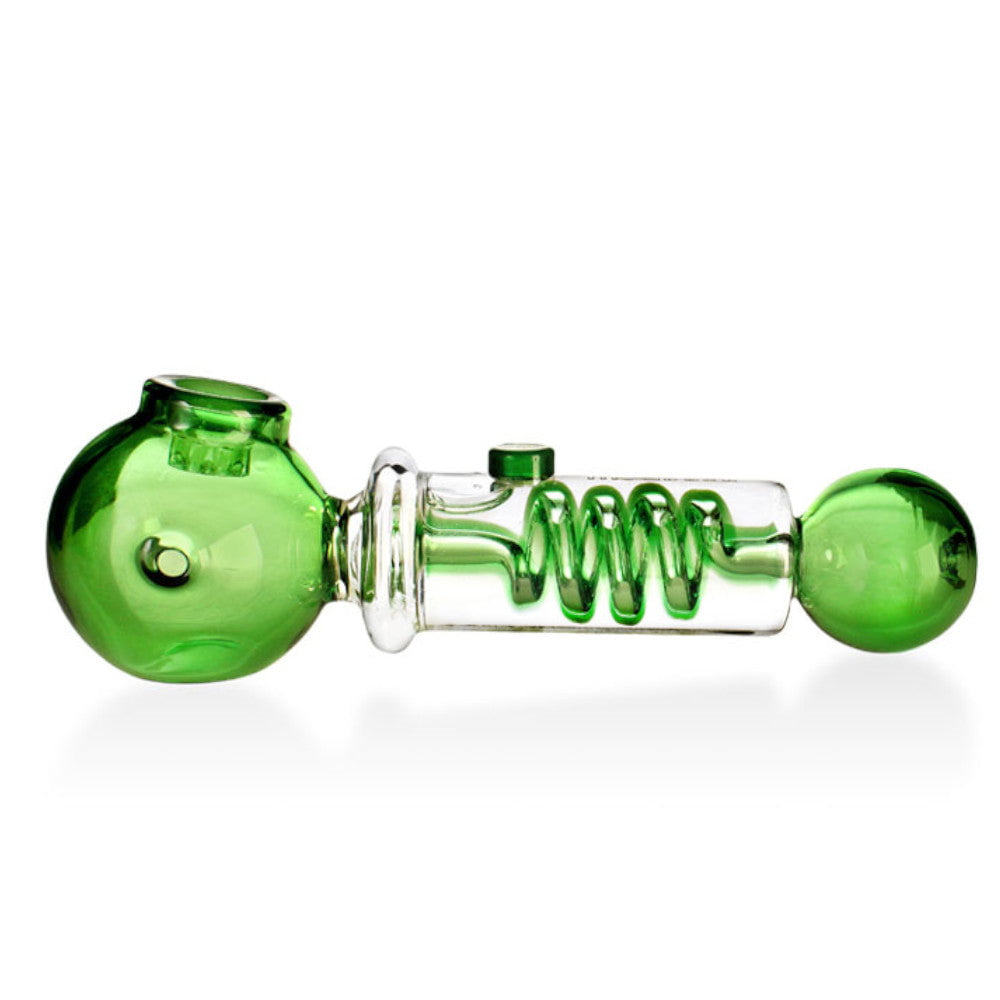
The energy cost of traditional glass
Traditional glass manufacturing is, frankly, a dirty process. The core issue is energy consumption. Melting the raw materials – primarily silica sand, soda ash, and limestone – requires extremely high temperatures, typically achieved by burning fossil fuels. This results in a substantial carbon footprint, contributing significantly to greenhouse gas emissions. It’s a fundamental challenge built into the very nature of glassmaking.
Beyond energy, the sourcing of raw materials presents its own set of problems. Silica sand mining can disrupt ecosystems and lead to habitat loss, while the production of soda ash often involves energy-intensive chemical processes. The extraction and processing of these materials aren’t typically conducted with environmental safeguards at the forefront. Then there’s the waste generated: broken glass (cullet) that isn’t recycled ends up in landfills.
The weight and fragility of glass also contribute to its environmental impact through shipping. Transporting glass products over long distances requires significant fuel consumption and increases the risk of breakage, leading to further waste. Even seemingly small pieces add up when you’re dealing with wholesale quantities. It's a logistical challenge that's often overlooked.
Defining sustainable glass
Defining "sustainable glass’ isn’t always straightforward. It’s not a single attribute, but rather a combination of factors related to the entire lifecycle of the product. A key component is recycled content, specifically the use of cullet – recycled glass. However, the percentage of cullet actually used in manufacturing varies widely, and ‘recycled’ doesn"t always mean a closed-loop system.
Other important considerations include the energy sources used in manufacturing. Are they relying on fossil fuels, or have they transitioned to renewable energy? Water usage is another factor; glass production can be water-intensive, and responsible management is crucial. Equally important is the sourcing of raw materials. Were they extracted responsibly, with minimal environmental impact? Minimizing waste throughout the production process is also essential.
Currently, there's a distinct lack of universally recognized certifications or standards specifically for sustainable glass smoking accessories. While general glass recycling certifications exist, they don’t necessarily address the unique challenges of this niche market. This lack of clarity makes it difficult for retailers to verify sustainability claims and for consumers to make informed choices. A more robust and transparent certification system would be a significant step forward.
- The percentage of cullet, or recycled glass, used in the melt.
- Renewable Energy: Reliance on renewable energy sources during manufacturing.
- Water Usage: Responsible water management practices.
- Raw Material Sourcing: Ethical and sustainable extraction of raw materials.
- Waste Minimization: Reducing waste throughout the production process.
Innovations in Eco-Friendly Glassmaking
Several promising technologies and processes are emerging to make glass manufacturing more sustainable. Advanced furnace designs, such as electric melting furnaces, can significantly reduce energy consumption compared to traditional gas-fired furnaces. These furnaces can also be powered by renewable energy sources, further minimizing the carbon footprint. However, the initial investment cost can be a barrier for smaller manufacturers.
The use of alternative raw materials is another area of innovation. Researchers are exploring the possibility of incorporating industrial byproducts – materials that would otherwise be considered waste – into the glassmaking process. This not only reduces reliance on virgin raw materials but also helps to divert waste from landfills. Closed-loop recycling systems, where glass is collected, processed, and reused within the same facility, are also gaining traction.
Localized manufacturing – producing glass closer to the point of consumption – can significantly reduce shipping distances and associated emissions. This requires a more distributed manufacturing network, which presents logistical challenges. Smaller manufacturers are often leading the charge in this area, experimenting with innovative techniques and materials. It’s a slower process, but it demonstrates a commitment to sustainability. Scaling these innovations remains a major obstacle; many of these processes are still cost-prohibitive for large-scale production.
Wholesale Trends: Demand and Pricing
The demand for sustainable glass pipes and accessories is steadily increasing among retailers, although it's not yet a dominant force. Many retailers report a growing number of customer inquiries about the sustainability of their products, particularly from younger demographics. They're actively seeking out suppliers who can provide eco-friendly options to meet this demand. It's a proactive move to stay ahead of the curve.
Retailers are generally able to charge a price premium for eco-friendly glass products, but the extent of the premium varies depending on the product and the target market. The premium typically ranges from 10% to 30%, but some retailers have reported even higher margins for particularly sustainable or unique items. Consumer willingness to pay a premium is increasing, but price sensitivity remains a factor.
Data from MJ Wholesale and SPS Wholesale suggests that inventory turnover for sustainable glass is comparable to traditional glass in certain segments, particularly for high-quality, aesthetically pleasing pieces. However, the overall volume of sustainable glass sales is still lower. Tariffs and shipping costs can significantly impact the viability of sustainable options, particularly for imported products. The added expense can make it difficult to compete with cheaper, traditionally manufactured alternatives.
- Retailers are charging 10% to 30% more for eco-friendly pieces.
- Inventory Turnover: Comparable to traditional glass in select segments.
- Tariff Impact: Significantly increases the cost of imported sustainable glass.
Sustainable vs. Traditional Glass Pipes: A Retailer Decision Matrix (2026 Outlook)
| Attribute | Sustainable Glass | Traditional Glass |
|---|---|---|
| Price (Wholesale) | Generally higher initial cost | Typically lower initial cost |
| Retail Margin | Potential for premium pricing supports higher margins | Margins dependent on volume, potentially lower overall |
| Customer Demand | Increasing, driven by environmentally conscious consumers | Established, but growth potentially plateauing |
| Perceived Quality | Often associated with ethical production and craftsmanship, enhancing perceived value | Quality varies widely; reputation dependent on brand and manufacturing origin |
| Marketing Potential | Strong narrative around sustainability and eco-friendliness; appeals to a growing market segment | Requires focus on design and brand recognition to differentiate |
| Material Sourcing | Emphasizes recycled glass, alternative materials, and responsible sourcing | Primarily virgin materials; sourcing transparency often limited |
| Shipping Costs | Weight comparable to traditional glass; bulk discounts from suppliers like MJ Wholesale can mitigate costs. | Weight comparable to sustainable glass; bulk discounts available. |
| Long-Term Value | Aligns with evolving consumer preferences; potential for brand loyalty | Subject to shifting trends; may require frequent product updates |
Illustrative comparison based on the article research brief. Verify current pricing, limits, and product details in the official docs before relying on it.
Supplier Spotlight: Leading the Charge
While comprehensive data on supplier sustainability practices is limited, some wholesalers are making notable efforts. SPS Wholesale, for example, highlights its commitment to sourcing products from California-based manufacturers, reducing shipping distances and supporting local economies. They also emphasize their use of recycled packaging materials and efforts to minimize waste in their warehouse operations. However, detailed information on the sustainability of their glass manufacturing processes is less readily available.
MJ Wholesale now has a dedicated eco-friendly section. They've partnered with Rokin for a 30% discount on specific lines. While they are light on the specifics of their vetting process, the fact that a major player is tagging products this way shows where the money is moving.
Harabrand's is focusing on offering a range of sustainable accessories alongside their glass products, including hemp rolling papers and bamboo cleaning tools. This demonstrates a broader commitment to sustainability beyond just the glass itself. They are transparent about their sourcing practices, prioritizing suppliers who share their values. Their approach is less about completely overhauling glass production and more about creating a holistic "eco-friendly" offering.
Beyond Glass: Sustainable Accessories
The sustainability conversation shouldn’t stop at glass. A range of complementary accessories can enhance the eco-friendliness of a smoker’s experience. Hemp-based rolling papers are a popular alternative to traditional bleached papers, offering a renewable and biodegradable option. Bamboo cleaning tools are another sustainable choice, replacing plastic brushes and picks.
Organic cotton carrying cases provide a more sustainable alternative to synthetic materials, while biodegradable packaging reduces waste. Retailers can capitalize on this trend by creating curated "eco-friendly smoking kits" that bundle together sustainable glass pipes with these complementary accessories. This provides a convenient and attractive option for environmentally conscious consumers.
The key is to offer a complete solution, demonstrating a commitment to sustainability across the entire product range. This not only appeals to eco-conscious consumers but also enhances the retailer’s brand image and reputation. It's about showing you care about more than just profit.
- Hemp Rolling Papers: Renewable and biodegradable.
- Bamboo Cleaning Tools: Sustainable alternative to plastic.
- Organic Cotton Cases: Eco-friendly material.
- Biodegradable Packaging: Reduces waste.
Eco-Conscious Accessories
- Hemp Wick - A natural alternative to lighters, hemp wick is made from hemp fibers coated in beeswax. It provides a cleaner, more flavorful smoking experience and reduces butane consumption.
- Bamboo One-Hitter - Bamboo is a rapidly renewable resource. These one-hitters offer a discreet and sustainable smoking option, often requiring less material than larger pieces.
- Cork Rolling Trays - Cork is harvested from the bark of cork oak trees without harming the tree, making it a renewable material. Cork rolling trays are lightweight, durable, and provide a naturally textured surface.
- Reusable Silicone Jars - Silicone is a durable, non-toxic alternative to plastic for storing concentrates, herbs, and other smoking accessories. Reusable jars reduce single-use container waste.
- Wooden Smoking Pipes (Sustainably Sourced) - Pipes crafted from sustainably sourced woods like maple or cherry offer a classic smoking experience with a lower environmental impact than some acrylic or metal alternatives. Look for FSC certification.
- Plant-Based Rolling Papers - Traditional rolling papers are often made from bleached wood pulp. Plant-based alternatives, such as those made from flax, hemp, or rice, offer a more sustainable and often unbleached option.
- Metal Stash Cans (Recycled Aluminum) - Stash cans crafted from recycled aluminum divert waste from landfills and require significantly less energy to produce than virgin aluminum.
No comments yet. Be the first to share your thoughts!