
Wholesale headshop laws in 2026
The wholesale of smoking accessories is operating in a period of significant legal flux. While federal law remains somewhat ambiguous, state-level regulations are constantly evolving, creating a complex patchwork for distributors like Glass Heads Wholesale to navigate. This is especially true for wholesale smoking accessories and headshop supplies. Retailers need to be acutely aware of these changes to avoid costly penalties and maintain operational viability.
Currently, there’s no overarching federal ban on the sale of smoking accessories, despite the federal government’s efforts to regulate tobacco products. However, the PACT Act casts a long shadow, impacting shipping practices. The year 2026 feels particularly critical because several states are considering further restrictions, and there's renewed discussion about potential federal action. This means a proactive approach to headshop compliance 2026 is essential.
Staying ahead of these shifts isn’t just about avoiding legal trouble; it’s about building trust with your retail partners. Demonstrating a commitment to compliance signals that you’re a reliable supplier who understands the risks and takes them seriously. We see this as a competitive advantage for Glass Heads Wholesale and a core component of our service to retailers.
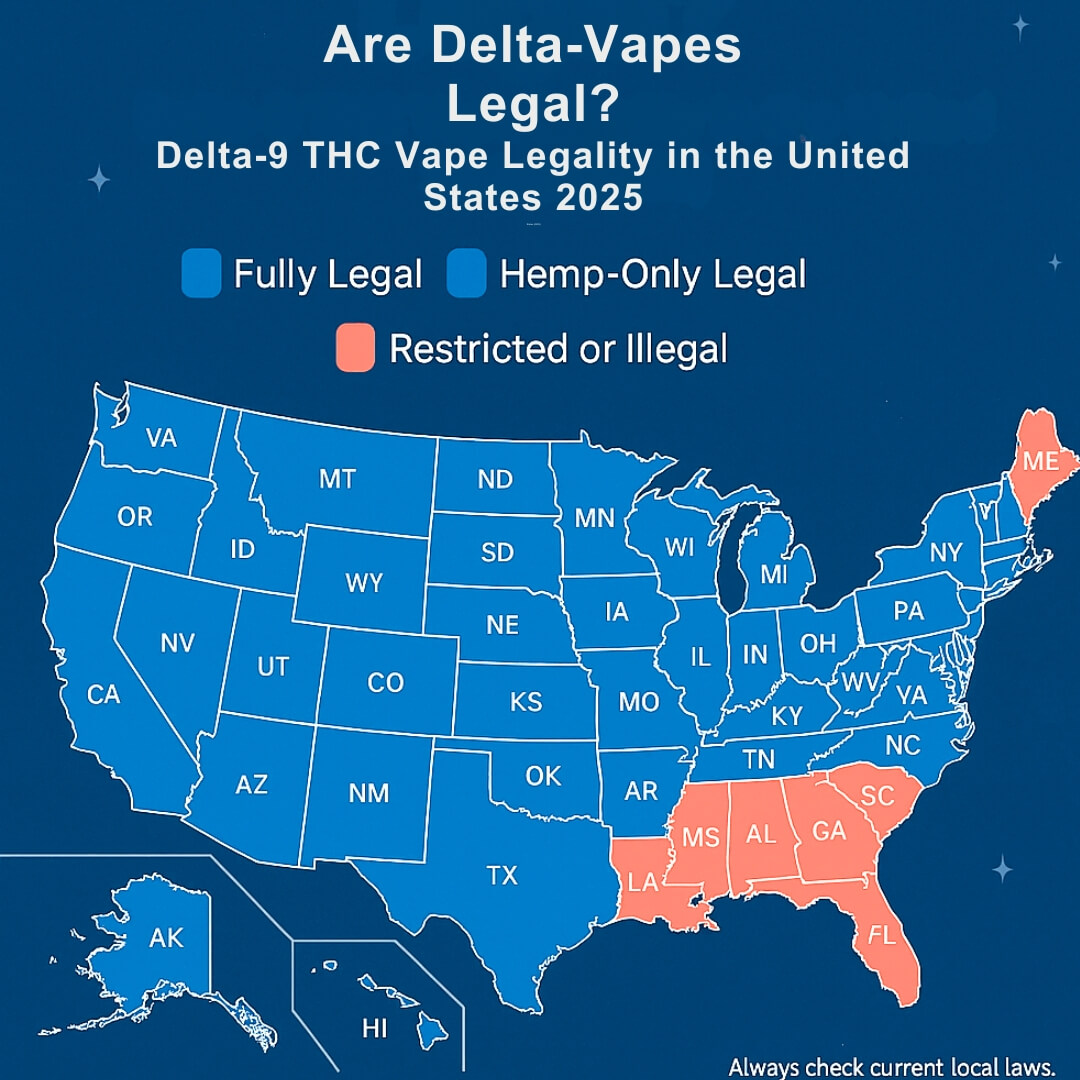
States with the toughest accessory laws
California, New York, and Illinois currently represent some of the most challenging environments for wholesale smoking accessory distributors. California, for example, prohibits the sale of any smoking device that isn't packaged with specific health warning labels, and these labels must meet very precise requirements as outlined by Proposition 65. This extends to even seemingly innocuous items like glass pipes.
New York has taken a particularly hard line against flavored e-cigarettes and vaping products, a restriction that’s increasingly impacting the sale of related accessories. While not a direct ban on all accessories, the focus on flavored products often leads to increased scrutiny of all items sold in conjunction with them. Retailers face fines starting at $500 for first-time violations.
Illinois has specific regulations regarding the sale of pipes and bongs, requiring them to be sold in sealed packaging and prohibiting marketing that targets minors. The state also mandates detailed record-keeping of all sales, including the type of accessory, the date of sale, and the buyer's identification. Non-compliance can lead to both financial penalties and the suspension of a retailer’s license.
California’s Department of Public Health doesn't just write rules; they send inspectors to issue citations. We've seen shops lose thousands because they missed a label update. You need a lawyer who actually reads the state register, or you're gambling with your retail partners' money.
Navigating the grey areas in moderate states
Florida, Texas, and Pennsylvania fall into a middle ground, with regulations that are less overtly restrictive but still require careful attention. In Florida, the primary concern is age verification – retailers must diligently check identification to prevent sales to minors. However, the interpretation of what constitutes "sufficient" verification can vary between counties.
Texas focuses heavily on preventing the sale of accessories that are explicitly marketed for illegal drug use. This creates a grey area, as the line between a generic pipe and one marketed for illicit purposes can be subjective. Retailers often rely on disclaimers and careful product placement to mitigate risk. Enforcement tends to be reactive, responding to complaints rather than proactive inspections.
Pennsylvania has a tiered system of regulations, with stricter rules applying to products that resemble tobacco products. This can be confusing for wholesalers and retailers alike, as it requires a nuanced understanding of product classification. The state also has specific requirements for labeling and packaging, particularly regarding health warnings.
The challenge in these states lies in the ambiguity of the laws. Enforcement is often inconsistent, and retailers may receive conflicting guidance from different authorities. It's important to maintain detailed records of all sales and to proactively address any potential compliance issues. A conservative approach is always advisable.
- Florida: Local counties often disagree on what counts as 'sufficient' age verification, so we recommend the strictest possible ID checks.
- Texas: Restrictions on accessories marketed for illegal drug use.
- Pennsylvania: Tiered regulations based on product resemblance to tobacco.
State-by-State Comparison: Wholesale Smoking Accessory Regulations (2026 Projection)
| Regulation Category | Florida | Texas | Pennsylvania |
|---|---|---|---|
| Age Verification | Retailers required to verify purchaser is 21 or older via valid photo identification. Wholesale distributors must ensure retailers have systems in place for age verification. | Retailers must verify purchaser is 21 or older. Wholesale distributors are expected to conduct due diligence on retailer practices. | Sale to individuals under 21 is prohibited. Wholesale distributors must verify retailers have age verification protocols. |
| Labeling Requirements | No specific state-mandated labeling requirements currently exist for smoking accessories, though federal regulations regarding tobacco products may apply if accessories are marketed for tobacco use. | No specific state-mandated labeling requirements currently exist for smoking accessories. Standard packaging requirements apply. | Pennsylvania requires warning labels on tobacco-related products, which may extend to some accessories depending on marketing and intended use. |
| Online Sales Restrictions | Online sales are permitted, but age verification must be robust and compliant with shipping regulations. Restrictions may increase based on evolving federal guidelines. | Online sales are permitted, but retailers are responsible for ensuring compliance with age verification and shipping restrictions. | Online sales are permitted, but retailers must adhere to age verification requirements and shipping regulations. Restrictions may mirror those applied to tobacco sales. |
| Penalties for Violations | Violations can result in fines, license suspension, and potential criminal charges, particularly related to sales to minors. Penalties are escalating with increased enforcement. | Penalties for violations, including sales to minors, can include fines and potential legal action. Enforcement is increasing. | Violations can lead to fines, license revocation, and potential criminal penalties. Penalties are dependent on the severity and frequency of the offense. |
| Wholesale Licensing | Florida requires a general business license, and specific permits may be needed depending on local ordinances. No specific wholesale license for smoking accessories exists. | Texas requires a general business license. Local jurisdictions may have additional permitting requirements. | Pennsylvania requires a general business license. Specific permits may be required depending on the locality and nature of the wholesale operation. |
| Product Restrictions | Restrictions primarily focus on products marketed to minors (e.g., flavored products). | Restrictions are primarily focused on products resembling illegal substances or marketed to minors. | Restrictions are evolving, with potential limitations on product types and marketing materials based on interpretations of existing tobacco regulations. |
Illustrative comparison based on the article research brief. Verify current pricing, limits, and product details in the official docs before relying on it.
Permissive States & Emerging Markets
States like Colorado, Oregon, and Washington generally have more permissive regulations regarding wholesale smoking accessories. This often correlates with their more progressive stance on cannabis legalization and decriminalization. These states tend to prioritize consumer choice and economic opportunity.
Colorado, for example, has relatively few restrictions on the sale of smoking accessories, focusing primarily on age verification and preventing sales to intoxicated individuals. Oregon follows a similar approach, with a strong emphasis on consumer education and responsible retailing. Washington's regulations are also comparatively lenient, although they do have specific rules regarding packaging and labeling.
Emerging markets, such as states considering cannabis legalization – like Ohio and Maryland – present unique opportunities for wholesalers. These states are often in the process of developing their regulatory frameworks, which can create a window for early entrants to establish a foothold. However, it’s crucial to monitor these developments closely and adapt to changing regulations.
I’ve noticed a trend where states legalizing or decriminalizing cannabis tend to adopt a more relaxed approach to smoking accessories. This isn't a hard rule, but it's a pattern we’re observing. This creates a more favorable environment for bulk smoking accessories sales, but it doesn’t eliminate the need for due diligence. Proper licensing and adherence to existing regulations are still essential.
The PACT act and federal uncertainty
The PACT Act (Prevent All Cigarette Trafficking Act) primarily targets the shipping of tobacco products, but its implications for wholesale distribution of smoking accessories are complex and often misunderstood. The Act prohibits the shipment of cigarettes and smokeless tobacco products through the U.S. Postal Service and imposes strict requirements on common carriers.
While the PACT Act doesn’t explicitly ban the shipment of smoking accessories, some interpret its language to include items that are "used for the smoking of tobacco." This interpretation has led to some carriers refusing to ship certain accessories, even if they are not directly used with tobacco. It's a murky area, and carriers’ policies vary significantly.
The key is understanding what constitutes "used for the smoking of tobacco.’ Items like glass pipes and bongs are often considered to fall under this definition, while items like grinders and rolling papers are more ambiguous. It"s essential to verify the shipping policies of your chosen carrier and to comply with all applicable regulations. Failure to do so can result in substantial fines and potential criminal charges.
The ongoing debate over federal regulation of smoking accessories adds another layer of uncertainty. Some lawmakers are pushing for stricter regulations, while others argue that such regulations would be overly burdensome and infringe on consumer freedom. This situation is likely to remain fluid for the foreseeable future.
Taxation & Licensing: State-Specific Requirements
Wholesale smoking accessory businesses face a diverse range of tax and licensing requirements depending on the state. Most states require a general business license, but many also impose specific taxes and fees on the sale of these products. Sales tax rates vary widely, and some states may have additional excise taxes.
California, for example, requires wholesalers to collect and remit sales tax on all sales to retailers. They also require a seller’s permit and may impose additional fees depending on the volume of sales. New York has similar requirements, with a particularly complex sales tax system.
Obtaining the necessary licenses and permits can be a lengthy and complicated process. It often involves submitting detailed applications, undergoing background checks, and paying substantial fees. Some states offer reciprocity agreements, allowing businesses licensed in one state to operate in another without obtaining a separate license, but these agreements are rare.
To streamline the process, it’s advisable to consult with a tax professional or attorney familiar with the regulations in each state where you plan to operate. Keeping accurate records of all sales and taxes is also crucial for avoiding penalties. We at Glass Heads Wholesale maintain a dedicated compliance team to assist our partners in navigating these complexities.
Staying Compliant: Best Practices for Wholesalers
Proactive compliance is the most effective way to mitigate risk in the wholesale smoking accessory industry. This starts with thorough age verification procedures. Implement a robust system for verifying the identity of all retailers and ensuring they are properly licensed to sell these products.
Accurate product labeling is also essential. Ensure that all products are clearly labeled with appropriate health warnings and other required information. Maintain detailed records of all sales, including the date, the type of product, and the buyer's information. This documentation will be invaluable in the event of an audit or investigation.
Carefully review the shipping policies of your chosen carrier and comply with all applicable restrictions. Consider using a third-party logistics (3PL) provider that specializes in handling regulated products. Staying up-to-date on changing laws and regulations is an ongoing process. Subscribe to industry newsletters, attend trade shows, and consult with legal counsel regularly.
We encourage our retail partners to adopt similar best practices. By working together, we can ensure a safe and compliant marketplace for wholesale smoking accessories.

No comments yet. Be the first to share your thoughts!