
Pick the right pipe styles
Choosing wholesale glass pipes requires matching product form to local demand and sales velocity. The market splits into four primary categories: spoons, chillums, bubblers, and bongs. Each style serves a distinct customer segment and dictates different margin structures.
Spoons and chillums are volume drivers. They are low-cost impulse buys that move quickly but offer thinner margins. Stocking these ensures high foot traffic conversion, especially for customers seeking discreet or portable options. Bubblers bridge the gap, offering water filtration in a smaller footprint. They appeal to users who want quality filtration without the bulk of a bong. Bongs represent higher ticket items. While margins are lower due to shipping costs and higher retail prices, they drive significant revenue per transaction.

Verify supplier reliability
Sourcing wholesale glass pipes requires more than just comparing unit costs. You need to confirm that a supplier is legitimate, maintains consistent inventory, and can handle the logistics of fragile goods. A single reliable partner is worth more than ten risky ones.
Use this four-step process to vet potential wholesalers before placing your first order.
Verify the supplier’s physical address and business registration. Legitimate B2B distributors like SPS Wholesale or GWProducts USA maintain public-facing contact information and clear terms of service. Avoid suppliers that only accept payment via wire transfer or cryptocurrency with no invoice history.

A reliable wholesaler should display real-time stock levels or at least clear indicators of availability. Check if they carry a range of SKUs, from basic spoons to specialized pieces. If their website shows empty shelves for popular items, they likely lack the supply chain stability to support your shop’s consistent needs.
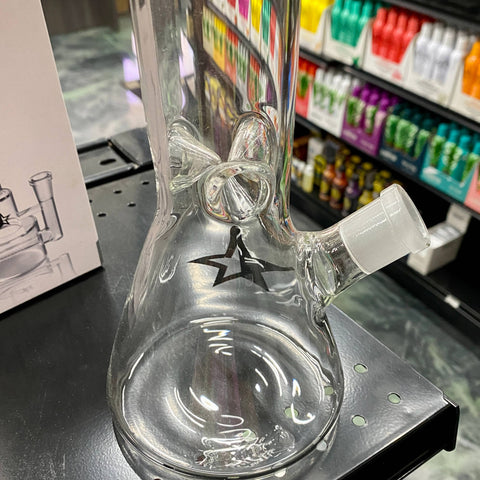
Glass breaks. Ask about their packaging standards and shipping partners. Do they use double-walled boxes and adequate cushioning? Fast shipping from major hubs like California or New York is common, but verify their breakage policy. A trustworthy supplier will replace damaged items without requiring you to return broken shards.
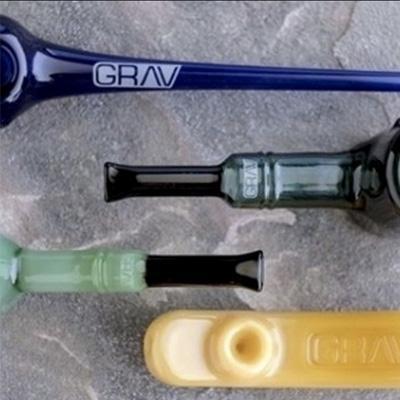
Most reputable suppliers require a minimum order quantity (MOQ) or a minimum dollar amount, often around $100 to $200. Request their full wholesale price list. Be wary of prices that seem too good to be true; they may indicate counterfeit goods or gray market items that could cause compliance issues in regulated states.
Order samples first
Before committing capital to a bulk shipment of wholesale glass pipes, you must verify the physical product. Digital catalogs and product descriptions rarely capture the nuances of glass thickness, weight, and finishing quality. Ordering samples is the only reliable way to audit the supplier’s manufacturing consistency.
Glass quality varies wildly between distributors. A supplier might showcase high-grade borosilicate in marketing materials but ship thinner, less durable glass in bulk orders. By requesting samples, you can perform tactile and visual inspections. Check for smooth seams, consistent coloring, and proper bowl-to-body alignment. This step prevents the costly mistake of stocking inventory that feels cheap or breaks easily under customer use.
Use the sample phase to test durability. Drop tests and heat cycling can reveal structural weaknesses that aren't visible in static images. If a sample pipe cracks under normal handling, the bulk production will likely fail too. This due diligence protects your shop’s reputation and reduces return rates.
Calculate bulk pricing margins
Wholesale glass pipes often carry a low unit cost, but that number rarely reflects the true expense of getting the product onto your shelf. To determine a viable retail price, you must account for the hidden friction points of logistics: shipping weight, state excise taxes, and the inevitable breakage rate. Ignoring these variables is the fastest way to erode your margin before a single unit is sold.
Start by calculating the landed cost per unit. This means taking the wholesale price and adding the proportional share of shipping. Glass is heavy and fragile; suppliers often charge by dimensional weight or offer tiered freight options. If a pallet of 500 pipes costs $2,000 plus $150 in freight, your base cost is not $4.00—it’s $4.30. Always request the exact shipping quote for your specific zip code before finalizing the order, as freight costs can fluctuate wildly based on carrier fuel surcharges and distance.
Next, factor in your local tax obligations. In many jurisdictions, cannabis accessories are subject to specific excise taxes or sales tax rates that differ from general merchandise. If your state imposes a 15% excise tax on glass pipes, you need to decide whether to absorb this cost or pass it to the consumer. This decision directly impacts your competitive positioning. If you absorb the tax, your margin shrinks; if you pass it on, you must ensure your retail price remains competitive against nearby shops.
Finally, build in a breakage allowance. Glass is brittle. During receiving, shelving, and customer handling, a percentage of inventory will inevitably crack or shatter. A standard industry allowance is 3-5% for wholesale glass. If you order 1,000 units, assume 30-50 will be unsellable. Divide the cost of these broken units across the remaining sellable inventory. This adjusted cost per sellable unit is your true floor. Set your retail price at least 2.5x to 3x this final landed cost to maintain healthy margins after accounting for staff time, rent, and other overhead.
Build your inventory plan
Source Wholesale Glass Pipes for Your Shop works best when the purchase path is explicit. Verify the source, compare the offer against real alternatives, check the total cost, and confirm what happens after payment before you decide. After each comparison, write down the one risk that would change your mind. If the seller, condition, support, warranty, shipping, or upkeep still feels uncertain, resolve that question before moving to checkout.
-
Verify the sellerCheck reputation, included details, delivery terms, and return policy before treating the listing as credible.
-
Compare total costAdd shipping, accessories, maintenance, warranty, and likely replacement costs to the listed price.
-
Confirm fitMatch the option to the real use case before paying for features that will not matter.
Common sourcing mistakes
Buying wholesale glass pipes is straightforward until hidden costs or quality failures erode your margin. Retailers often focus exclusively on the per-unit price, ignoring the full cost of goods sold. A cheap pipe that breaks in transit or fails inspection costs more than a slightly more expensive unit that arrives intact.
Ignoring shipping and freight costs
Glass is heavy and fragile. Many wholesalers advertise low unit prices but charge high freight fees or require pallet shipments for large orders. If you calculate your landed cost without factoring in shipping, your profit margin disappears before the first sale.
Always request a total landed cost quote before placing an order. This should include the product price, packaging fees, and freight charges to your specific zip code. If a supplier requires a high minimum order quantity (MOQ) that forces you to pay for excessive pallet space, it may be better to split the order across multiple smaller shipments.
Accepting low-quality glass
Not all wholesale glass is created equal. Thin-walled glass breaks easily during handling and creates a negative customer experience. Some suppliers use recycled or lower-grade materials that contain bubbles, stress marks, or inconsistent joints. These defects are hard to spot in bulk without physical inspection.
Request sample kits before committing to a large order. Check the thickness of the walls, the strength of the joints, and the clarity of the glass. If the samples feel brittle or look cloudy, the bulk order will likely have the same issues. Reputable suppliers, such as those listed on SPS Wholesale or GW Products, often provide transparent specifications about glass thickness and origin.
Skipping quality control checks
Assuming every unit in a case is perfect is a risky strategy. Manufacturing defects happen, and shipping damage is common. If you do not inspect shipments immediately upon arrival, you may discover damaged goods weeks later, making returns difficult or impossible.
Set up a simple inspection process. Count the total units, check for obvious breakage, and randomly select five to ten pipes for a closer look. Document any issues with photos and contact the supplier immediately. Keeping a record of defects helps you negotiate credits or identify unreliable suppliers over time.
No comments yet. Be the first to share your thoughts!