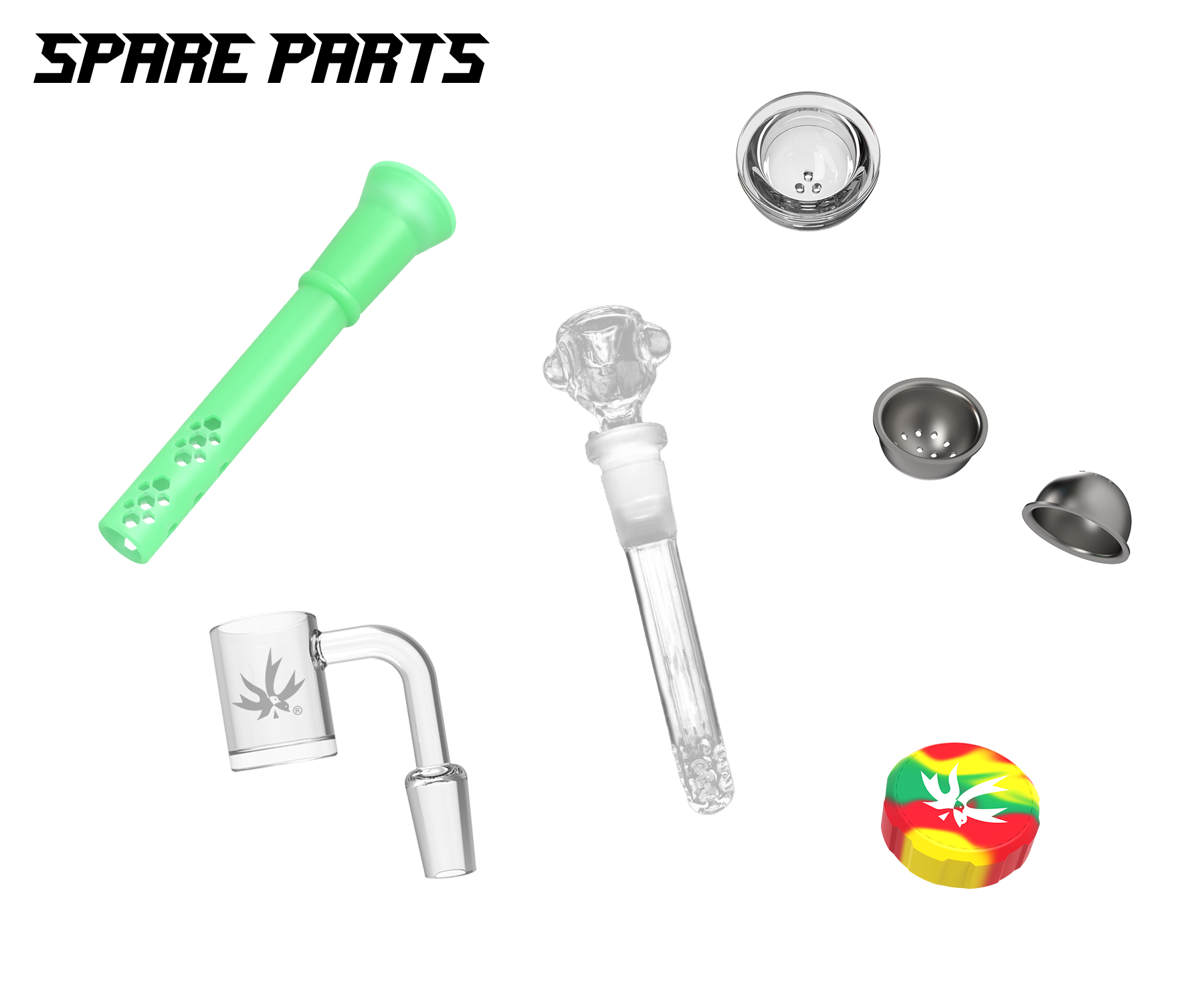

Define your glass pipe inventory mix
Before contacting suppliers, determine which wholesale glass pipes align with your local market demand. Stocking the right mix reduces inventory risk and ensures capital is tied up in items that actually sell. Start by identifying the three to five core SKUs that serve your primary customer base.
Classic glass spoon pipes remain the highest-volume entry point for most smoke shops. Their low price point and universal utility make them ideal for impulse purchases and first-time buyers. When sourcing wholesale, prioritize durability and consistent flame-polished finishes to minimize breakage claims.
Expand your selection with functional pieces like bubblers and chillums. Bubblers appeal to customers seeking water filtration without the bulk of a full rig, while chillums cater to traditionalists looking for compact, portable options. Analyze your local demographics to decide whether to lean toward novelty designs or utilitarian, high-quality glass.
Request physical samples from potential suppliers before placing bulk orders. Inspect the thickness of the glass, the smoothness of the bowl insert, and the integrity of the neck joint. A consistent supply of reliable wholesale glass pipes builds trust with your customers and reduces the administrative burden of handling defective inventory.
Verify Supplier Legitimacy and Compliance
Before committing to a wholesale glass pipes distributor, you must confirm they operate as a legitimate B2B entity. Reputable distributors restrict sales to licensed retail and wholesale businesses, explicitly excluding general consumers. This restriction is a primary indicator of a supplier’s adherence to state and local distribution laws.
Request a Certificate of Insurance (COI) and a business license copy during the initial vetting phase. Legitimate distributors will provide these documents without hesitation. If a supplier refuses or delays this request, treat it as a red flag. Their inability to prove legal standing suggests potential liability risks for your retail operation.
Confirm Product Documentation
Every batch of glass pipes, whether spoons, chillums, or bubblers, must come with a Certificate of Analysis (COA) or a Certificate of Conformance (COC). These documents verify that the glass meets safety standards for chemical stability and thermal shock resistance. Without this paperwork, you cannot legally display or sell the items in regulated retail environments.
Ask your distributor for a recent COA for the specific product line you intend to order. Ensure the document lists the glass type (e.g., borosilicate) and confirms it is free from lead or other hazardous materials. If the supplier cannot provide batch-specific documentation, do not proceed with the purchase.
Verify Shipping and Age Protocols
Compliance extends to the logistics of delivery. Ensure the distributor uses carriers that support age-verified delivery or requires signatures upon receipt. This prevents unauthorized access to the product during transit and maintains the chain of custody required by many state regulations.
Review the distributor’s return policy for damaged or non-compliant items. A legitimate partner will have a clear process for handling defective glass or documentation errors. This protects your inventory investment and ensures you can quickly replace non-conforming stock without disrupting your retail shelf.
Evaluate glass quality and durability
Wholesale glass pipes must withstand daily shipping and retail handling. Thin glass breaks during transit, leading to higher return rates and lost margin. Focus on wall thickness, joint integrity, and heat resistance when selecting inventory.
Check wall thickness and weight
Lightweight pipes often use thin, low-quality glass that shatters easily. Heavier pieces indicate thicker walls, which offer better durability. When ordering wholesale glass pipes, request samples to test the weight by hand. A solid spoon pipe should feel substantial, not flimsy.
Inspect frit joints and seams
The joint where the bowl meets the body is the weakest point. High-quality pieces use a frit joint, where glass beads are fused into the seam for strength. Inspect these areas for smoothness and even distribution. Avoid pipes with visible gaps or rough edges, as these are prone to cracking under heat.

Verify heat resistance
Glass must endure direct flame without cracking. Borosilicate glass is the industry standard for durability and thermal shock resistance. Ask suppliers if their chillums and pipes are made from borosilicate. Soda-lime glass is cheaper but more likely to fail during use, increasing customer complaints.
- Test samples with a torch to check for stress fractures.
- Look for uniform wall thickness to prevent hot spots.
- Confirm borosilicate composition in supplier specifications.
Calculate bulk pricing and shipping costs
Source Wholesale Glass Pipes for Retail Growth works best as a clear sequence: define the constraint, compare the realistic options, test the tradeoff, and choose the path with the fewest hidden costs. That order keeps the advice usable instead of decorative. After each step, pause long enough to check whether the recommendation still fits the reader's actual situation. If it depends on perfect timing, unusual access, or a best-case budget, include a simpler fallback.
The simplest way to use this section is to write down the real constraint first, compare each option against it, and choose the path that still works outside ideal conditions.
Place your first wholesale order
Transitioning from supplier vetting to procurement requires precision. Your initial wholesale order serves as a stress test for the manufacturer’s logistics and quality control. Do not rush this process; treat the first shipment as a data point for future scaling.
Requesting samples before committing to bulk inventory is standard practice for glass pipes. Suppliers often provide wholesale glass pipes in various styles, such as spoons or chillums, but visual descriptions can be misleading. Physical samples allow you to verify glass thickness, joint integrity, and color consistency against your retail standards.
Once samples are approved, finalize the case pricing and shipping timeline. Confirm whether the supplier uses expedited freight for fragile glass items and if they offer tracking for every case. Clear payment terms, such as net-30 or secure escrow for the first transaction, protect your capital while establishing trust.
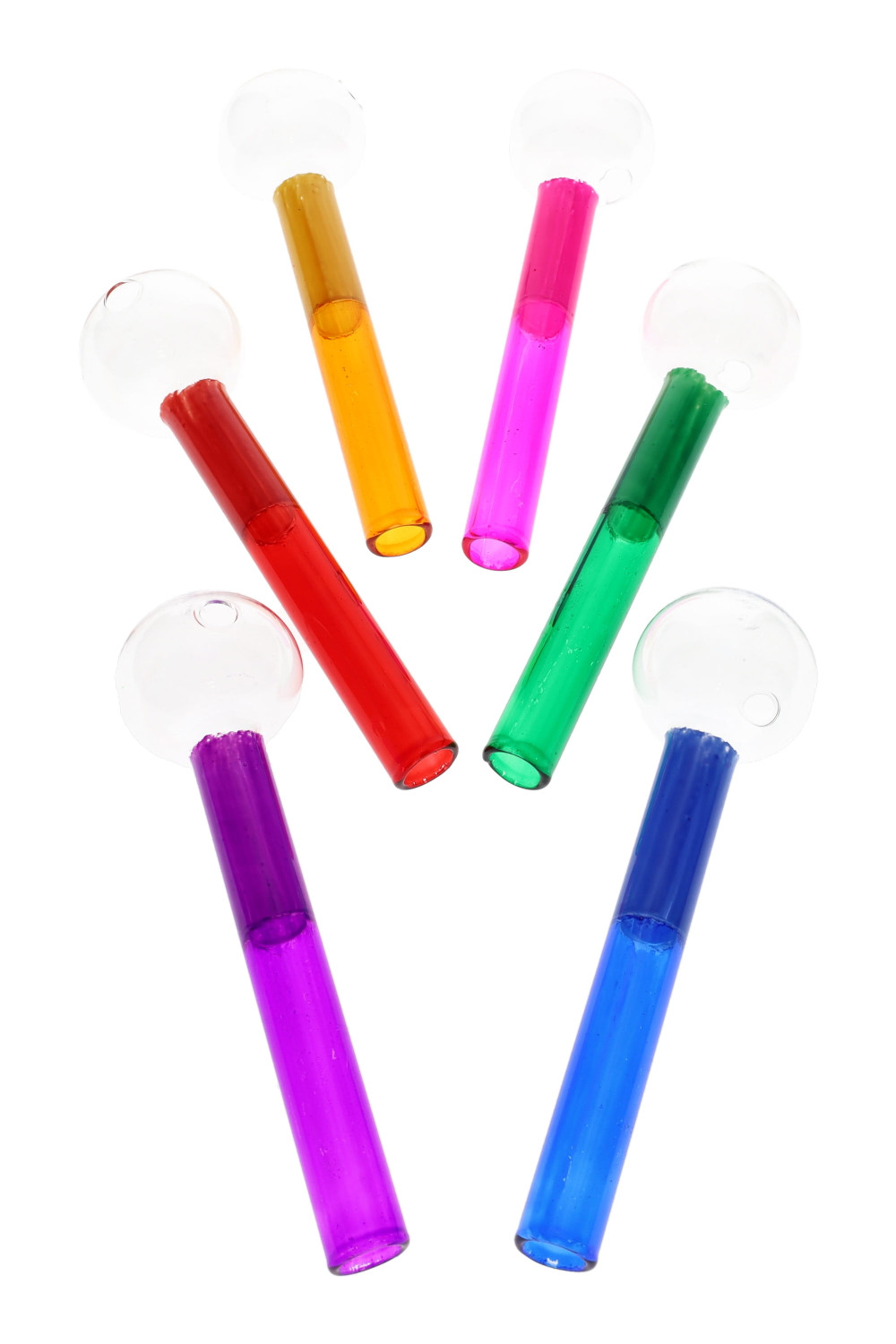
Contact your shortlisted suppliers to request 2-3 physical units of your target products, such as 6-inch spoons or straight tubes. Evaluate the glass clarity, joint strength, and finish quality. This step validates the manufacturer’s output against your retail expectations before any financial commitment.
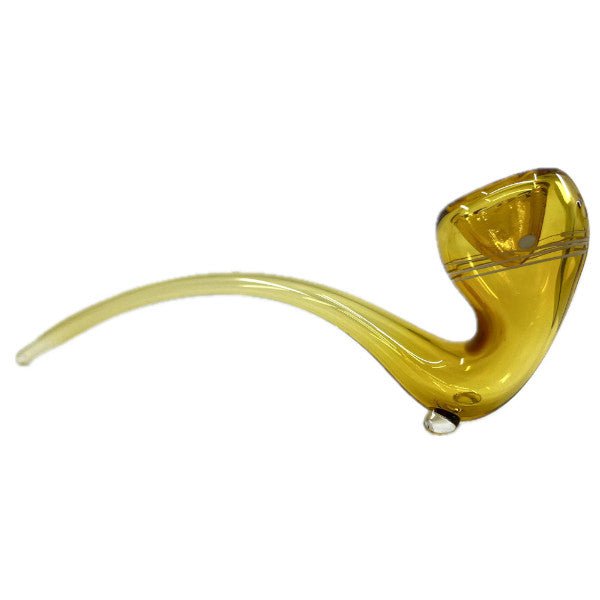
Confirm the minimum order quantity (MOQ) and per-case pricing. Ensure the quote includes all handling fees. Glass is fragile, so verify that the supplier uses adequate padding and double-walled boxes to prevent breakage during transit, which can significantly impact your profit margins if replacement costs are high.
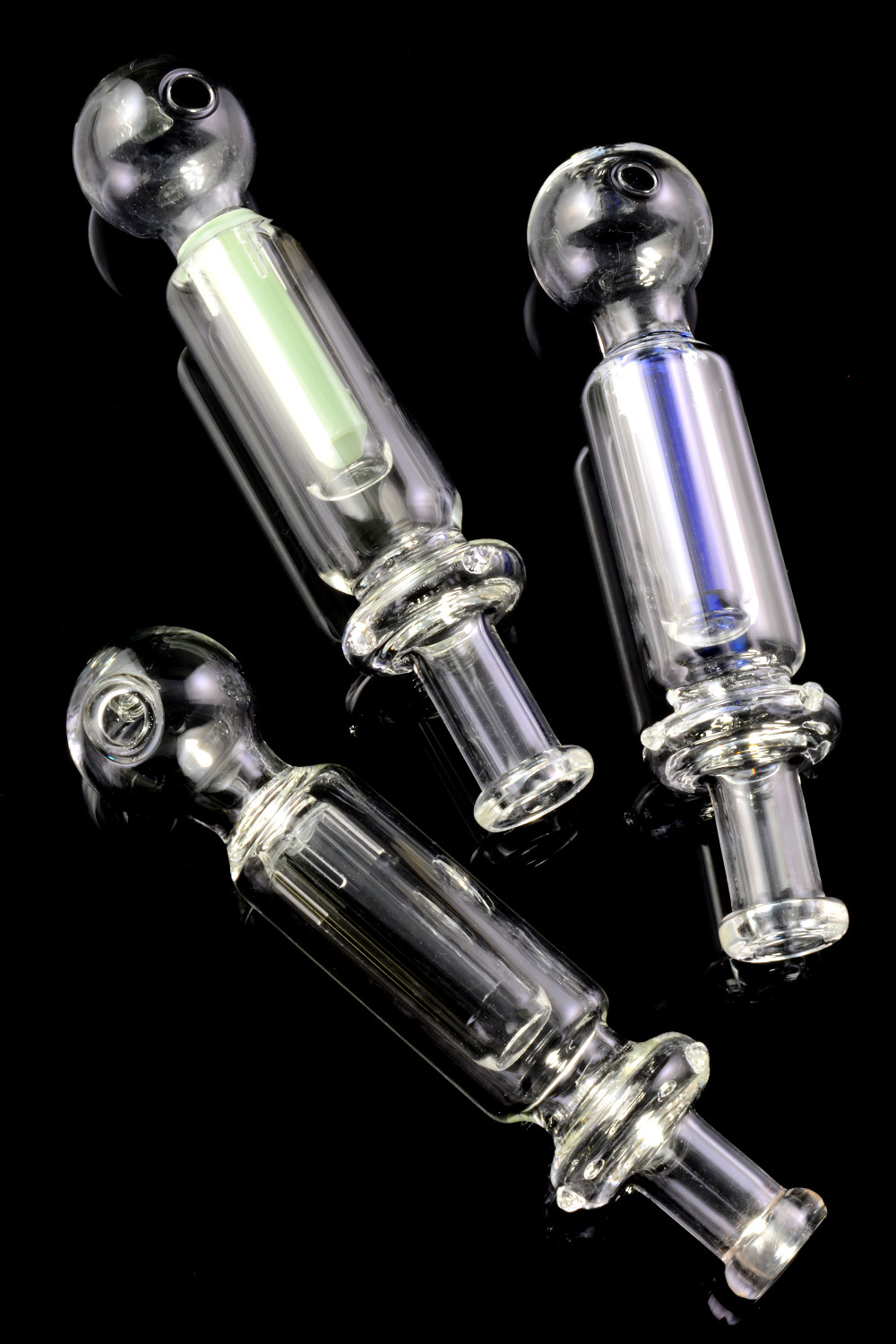
Ask for a realistic production and shipping window. Wholesale glass pipes often require hand-finishing, which can delay production. Secure a tracking number and confirm the carrier’s policy on fragile goods. Avoid suppliers who cannot provide a clear timeline, as delays will disrupt your retail inventory planning.
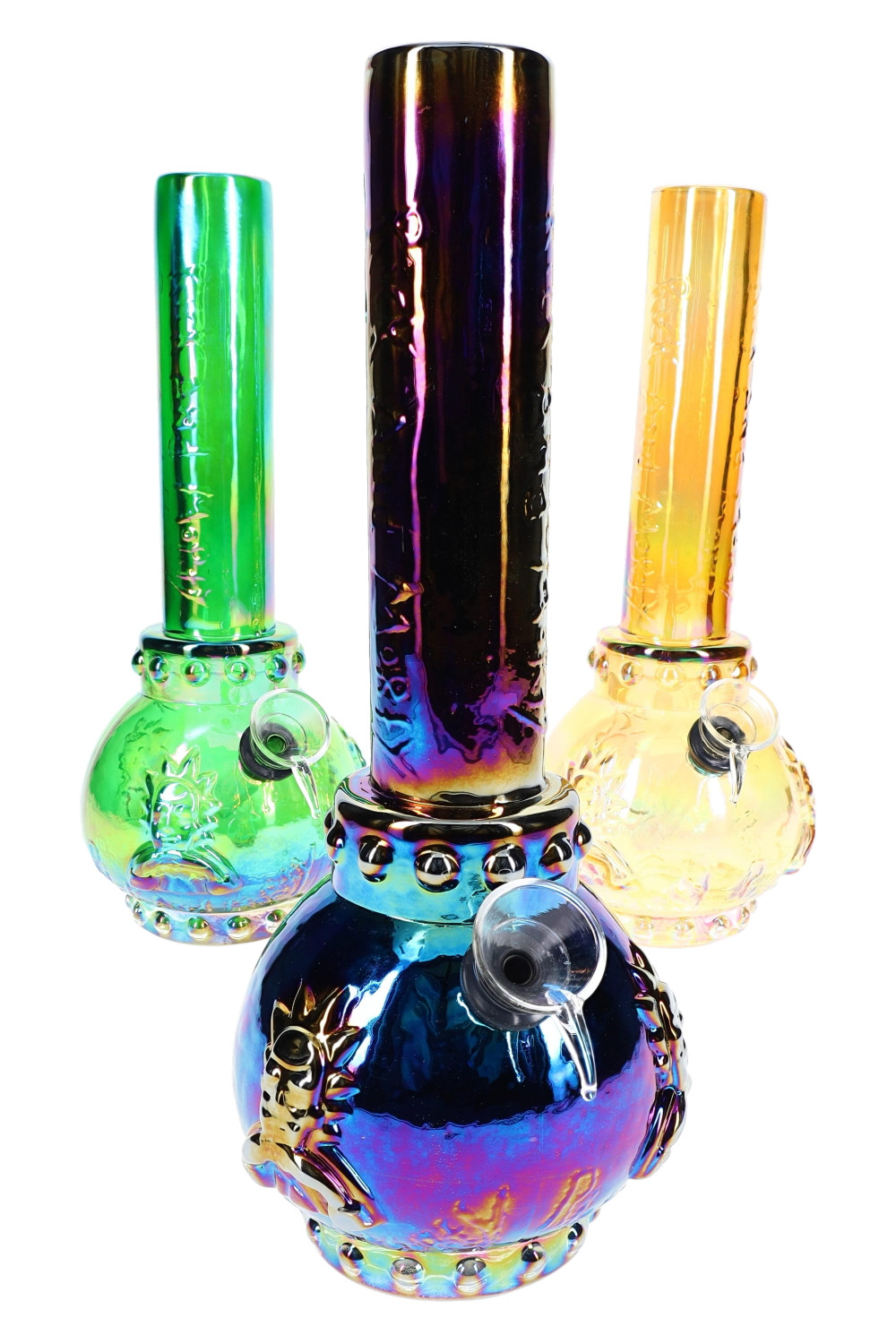
Submit the purchase order with clear specifications: product type, color, quantity, and shipping address. Use a secure payment method that offers buyer protection. Keep a record of all communication regarding the order details. This first transaction establishes the baseline for your ongoing supplier relationship and future bulk negotiations.
Common mistakes when buying wholesale glass
Procuring wholesale glass pipes requires more than selecting attractive designs; it demands rigorous oversight of logistics and inventory velocity. Retailers frequently lose margins on three specific operational failures: underestimating breakage, ignoring shipping weight, and over-ordering niche aesthetics. Addressing these pitfalls early in the sourcing cycle protects your bottom line.
Ignoring breakage rates skews your cost basis. Glass is fragile, and standard wholesale case counts rarely account for transit damage. If a supplier ships 120 spoon pipes and 10 arrive cracked, your effective cost per sellable unit jumps significantly. Always negotiate a replacement policy for damaged goods before placing bulk orders. Request a "breakage allowance" clause that allows you to replace damaged items at cost rather than retail price, ensuring your initial investment isn't lost to poor packaging.
Underestimating shipping costs creates hidden losses. Glass is dense and heavy. A case of chillums or bubblers may look cheap per unit, but the freight cost can double the landed price. Suppliers often quote FOB (Free On Board) prices, meaning you pay for shipping from their dock to your store. Compare landed costs across multiple vendors. Sometimes a slightly higher unit price from a closer distributor results in lower total expenses due to reduced freight charges and faster delivery times.
Over-ordering niche items ties up capital. Trends in glass colors and shapes shift rapidly. Ordering hundreds of units of a specific frit style or novelty shape based on a fleeting trend risks dead stock. Start with smaller test orders of experimental designs. Use data from previous sales or supplier trend reports to validate demand. Keep your core inventory in classic spoon pipes and simple bangers, which sell consistently, and treat niche items as limited-edition accents rather than volume drivers.
No comments yet. Be the first to share your thoughts!