
The state of the market
The market is growing as more states legalize cannabis. While I don't have an exact dollar figure for 2026, the trend is clearly upward. You'll notice the biggest booms in newly legal states like Ohio or Minnesota, where shops are still trying to catch up with local demand.
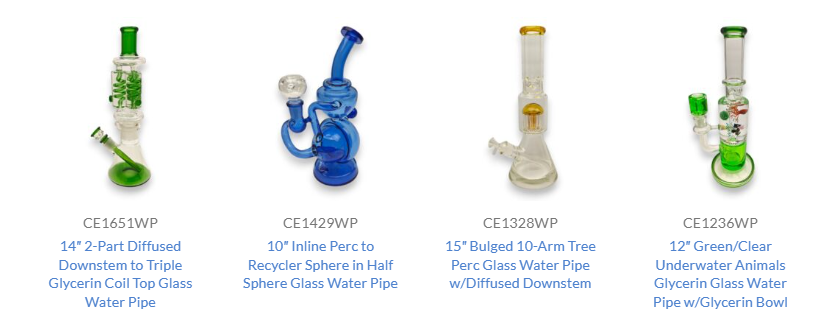
Several key trends are shaping the market. Silicone pipes are gaining traction due to their durability and affordability, offering a compelling alternative to traditional glass. Within the glass sector, percolators – often referred to as “percs” – and recyclers remain highly sought after, commanding higher price points. Retailers should note that consumer demand is increasingly segmented, with some prioritizing functionality and others aesthetics.
Suppliers like MJ Wholesale and SPS Wholesale offer no-tariff options, which helps if you're trying to avoid the headache of import taxes. Keep an eye on local laws, though. A city council can change zoning or paraphernalia rules overnight, and you don't want to be stuck with a warehouse full of inventory you can't legally move.
How to find reliable suppliers
Finding reliable wholesale suppliers is the foundation of a successful retail operation. The first decision is whether to source domestically or internationally. Domestic suppliers, like those found within the US, generally offer faster shipping times and easier communication, but often at a higher cost. International sourcing, particularly from China, can provide lower prices, but introduces complexities related to shipping, customs, and quality control.
Vetting potential suppliers is non-negotiable. Always verify their business licenses and ensure they are legitimate operations. Request samples before placing a large order to assess product quality firsthand. Inquire about their quality control procedures – a reputable supplier will have clear processes in place to minimize defects. Don’t rely solely on online listings; conduct thorough due diligence.
Resources like MJ Wholesale and SPS Wholesale are good starting points for identifying potential suppliers, but they shouldn’t be the only sources you consider. Attending industry trade shows allows you to meet suppliers in person and build relationships. Online directories can also be helpful, but be cautious and verify information independently. Building a network of trusted suppliers takes time and effort, but it’s an investment that pays off.
Consider asking for references from other retailers. A supplier’s track record with existing clients is a strong indicator of their reliability. Finally, carefully review the supplier’s return policy and warranty terms. A clear and fair policy protects you in case of defective products or shipping damage.
Spotting quality glass
You want borosilicate glass. It handles heat better and doesn't crack as easily as the cheap soda-lime stuff. If a customer asks why one pipe is $20 and the other is $80, the glass thickness and material are usually the reason. It's better to sell a durable piece than to deal with a frustrated customer returning a cracked one a week later.
Construction features significantly impact both price and functionality. Joint size (typically 14.4mm or 18.8mm) determines compatibility with different downstems and bowls. Percolators, like tree percs or honeycomb percs, enhance filtration and cooling. Ice pinches allow users to add ice for an even smoother hit. These features add cost, but also increase the perceived value.
Common defects to watch out for include thin glass, weak joints, and air bubbles within the glass itself. Thin glass is more susceptible to breakage. Weak joints are prone to cracking or leaking. Air bubbles compromise the structural integrity of the glass. Inspect samples carefully for these flaws before committing to a large order. Don’t hesitate to reject a shipment if the quality is substandard.
Shipping and minimum orders
Wholesale purchasing often involves minimum order quantities (MOQs). These can range from a few pieces to hundreds, depending on the supplier. MOQs impact cash flow, so carefully consider your budget and sales projections before placing an order. Smaller retailers may need to consolidate orders with other businesses to meet MOQs. Negotiating with suppliers for reduced MOQs is sometimes possible, especially with established relationships.
Shipping costs can significantly affect your overall profitability. Obtain quotes from multiple carriers to compare rates. Insurance is essential to protect against damage or loss during transit. International orders may be subject to customs duties and taxes, which can add to the cost. Factor these expenses into your pricing strategy. Suppliers like MJ Wholesale offer free shipping on orders exceeding $2,000, which can be a significant benefit.
Handling damaged goods requires a clear process. Document any damage with photos and notify the supplier immediately. Most reputable suppliers will either replace the damaged items or issue a credit. Understand the supplier’s return policy and follow their procedures carefully. Keeping detailed records of all shipments and communications is crucial for resolving disputes.
- Check that the boxes actually have enough bubble wrap for glass.
- Document any visible damage upon delivery.
- Notify the supplier within 24-48 hours of receipt.
- Retain all packaging materials for inspection.
Managing your inventory
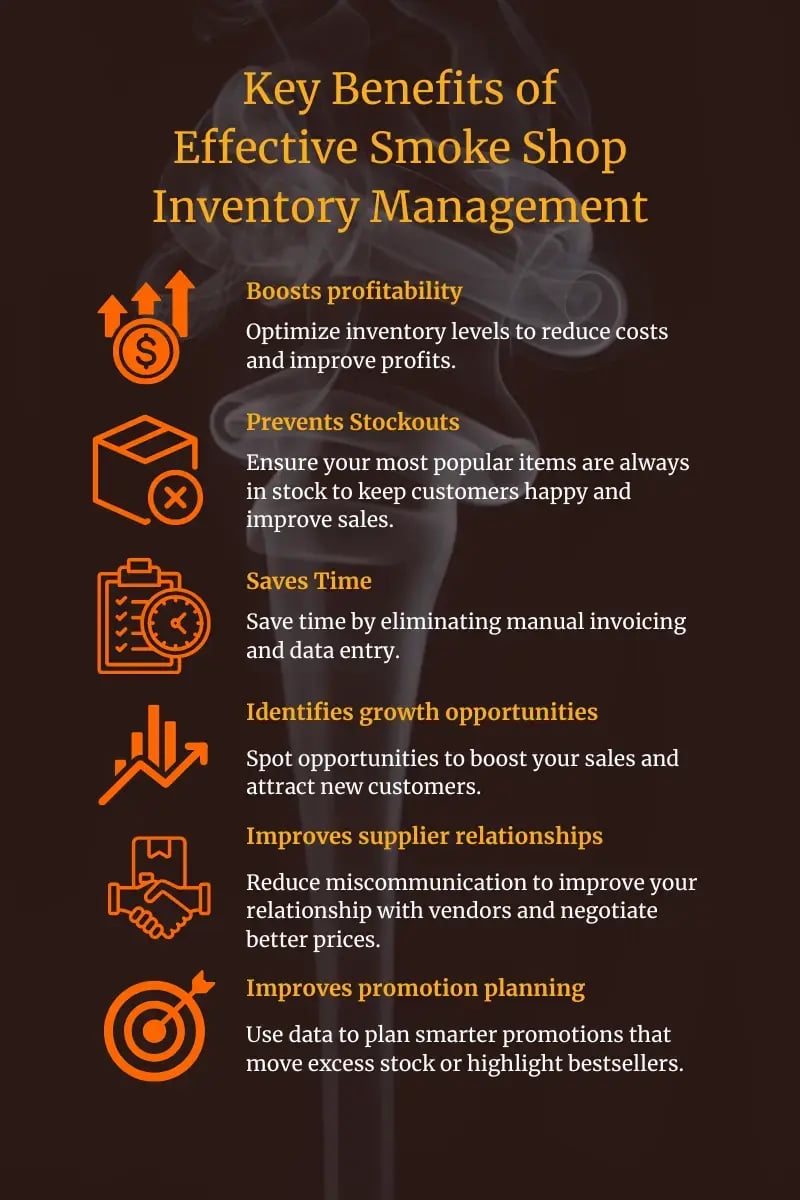
Effective inventory planning is crucial for maximizing sales and minimizing losses. Forecasting demand requires analyzing local market trends and understanding your customer preferences. Consider factors like seasonality, local events, and demographic data. Start with a smaller initial order and gradually increase quantities as you gain insights into demand.
Offering a diverse product range is essential. Cater to different price points, styles, and materials. Include a mix of basic, mid-range, and premium water pipes. Stock both glass and silicone options to appeal to a wider audience. Consider offering accessories like downstems, bowls, and cleaning supplies to increase average transaction value.
Stock rotation is vital to prevent breakage and ensure freshness. Implement a “first-in, first-out” (FIFO) system to sell older inventory first. Regularly inspect your stock for damaged items and remove them from sale. Proper storage is also important – protect glass pipes from impacts and temperature fluctuations. The cost of breakage adds up quickly.
Don’t underestimate the importance of understanding your customer. Are they more interested in affordability, durability, or artistic design? Tailoring your inventory to meet their needs will drive sales and build loyalty. A well-curated selection is more effective than a vast, unorganized assortment.
Setting your prices
Pricing your products effectively is essential for profitability. Several pricing strategies are available. Cost-plus pricing involves adding a fixed markup to your wholesale cost. Competitive pricing involves setting prices similar to your competitors. Value-based pricing involves setting prices based on the perceived value of the product. A hybrid approach is often the most effective.
Calculating profit margins requires careful consideration of all costs. Start with your wholesale cost. Add operating expenses, such as rent, utilities, and labor. Determine your desired profit margin. Then, calculate the retail price that will achieve that margin. Don’t forget to factor in potential discounts and promotions.
Pricing should vary based on the type of water pipe. Basic, entry-level pipes can have lower margins, while premium pipes with advanced features can command higher margins. Consider the perceived value and the level of competition when setting prices. Regularly review your pricing strategy to ensure it remains competitive and profitable.
- Wholesale cost: $50
- Operating Expenses (allocated): $10
- Desired Profit Margin: 50%
- Retail Price: $120
Water Pipe Material Comparison: A Retailer's Decision Matrix (2026)
| Material | Price Point | Durability | Heat Resistance | Aesthetic Appeal |
|---|---|---|---|---|
| Glass | Generally higher initial cost, with price varying significantly based on complexity and artistry. | More susceptible to breakage; requires careful handling and display. | Excellent; glass is highly resistant to thermal shock with reasonable temperature changes. | Highly versatile; offers a wide range of designs, colors, and artistic expression. Considered the premium aesthetic choice. |
| Silicone | Typically mid-range price point, often more affordable than comparable glass pieces. | Very durable and resistant to breaking; flexible and less prone to shattering. | Good; silicone can withstand higher temperatures than some other materials, but prolonged extreme heat exposure should be avoided. | Can be visually appealing, with a range of colors and designs, but generally lacks the artistic nuance of glass. |
| Acrylic | Lowest initial cost; the most budget-friendly option. | Least durable; prone to cracking and breaking with impact or temperature changes. | Poor; acrylic can warp or melt with high heat, making it unsuitable for frequent use with hot substances. | Limited aesthetic options; often appears less refined than glass or silicone. |
| Borosilicate Glass | Higher end of the glass price spectrum; known for quality and resilience. | Significantly more durable than standard glass due to its low coefficient of thermal expansion. | Superior; exceptionally resistant to thermal shock and cracking from temperature fluctuations. | Excellent; allows for intricate designs and a clear, high-quality appearance. |
| Aluminum | Mid-range price point; often used for downstems and smaller components. | Moderate durability; resists corrosion but can be dented or damaged. | Good; aluminum conducts heat efficiently, but can become hot to the touch. | Industrial aesthetic; often brushed or anodized for a modern look. |
| Ceramic | Variable price point depending on craftsmanship and design. | Moderate durability; can be brittle and prone to chipping or cracking. | Good; ceramic can withstand moderate heat, but is susceptible to thermal shock. | Unique aesthetic; often features intricate patterns and glazing. |
Illustrative comparison based on the article research brief. Verify current pricing, limits, and product details in the official docs before relying on it.

No comments yet. Be the first to share your thoughts!