
Pick the right glass pipe styles
Choosing the right wholesale glass pipes starts with matching the piece to your customer’s habits and your shelf space. A well-curated mix of spoon pipes, chillums, rigs, and water pipes keeps inventory moving without tying up capital in slow movers. Here is how each category fits into a typical smoke shop.
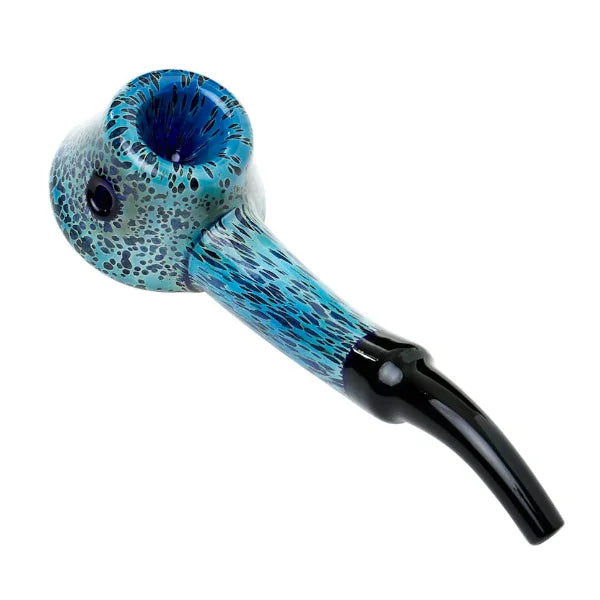
Spoon pipes: the reliable staple
Spoon pipes are the workhorses of wholesale glass pipes. They are compact, affordable, and appeal to a broad demographic, from first-time buyers to seasoned collectors. Because they are small and lightweight, they ship easily and break less often during handling. Focus on variety in color and borosilicate quality to attract different price points. Stocking a range of spoon pipes ensures you have a steady baseline of sales.
Chillums: for the purist
Chillums are straight, tube-like pipes that offer a direct, unfiltered smoking experience. They appeal to customers who prefer traditional methods or want a compact, pocket-friendly option. While they may not have the same visual appeal as ornate pieces, they are durable and often sold as secondary or backup pipes. Consider stocking a few minimalist chillums for customers who value function over form.
Rigs: for the concentrate crowd
Dab rigs are essential if your shop serves the concentrate market. These pipes are designed for vaporizing concentrates and require specific accessories like nails and bangers. Margins on rigs can be higher, but they also attract a more discerning customer base that cares about glass thickness and joint quality. Ensure you have a selection of standard and specialized rigs to meet different concentrate preferences.
Water pipes: the statement piece
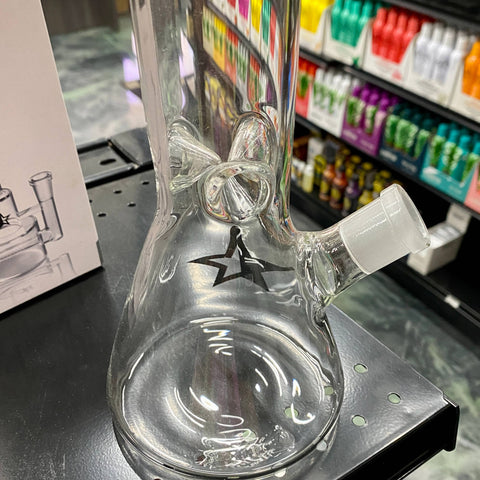
Water pipes (bongs) are larger, more complex, and often serve as statement pieces or gifts. They command higher prices and attract customers looking for a premium experience. However, they are heavier, more fragile, and take up more shelf space. Stock a limited selection of popular sizes and styles to avoid tying up too much inventory in slow-moving, bulky items.
| Style | Typical Margin | Target Customer | Durability |
|---|---|---|---|
| Spoon Pipes | High | General | High |
| Chillums | Medium | Traditionalists | High |
| Rigs | High | Concentrate users | Medium |
| Water Pipes | Medium | Premium buyers | Low |

Verify supplier legitimacy and terms
Before placing your first order, you need to confirm that your wholesale glass pipes supplier is a legitimate business entity. Many online wholesalers operate as distributors that only sell to licensed retail businesses, not the general public. Checking their terms of service and shipping policies early on prevents wasted time and ensures you are dealing with a company that can legally fulfill your inventory needs.
Look for a physical business address and a direct phone number on their website. Legitimate wholesalers like Patel Smoke Inc. or Hara Brands typically list clear contact details. If a site only offers a contact form or a generic email address, proceed with caution. A verifiable physical location suggests they hold actual inventory rather than acting as a drop-shipper with no quality control.
Understand the financial barrier to entry. Suppliers often require a minimum initial order, such as a $200 minimum for wholesale glass pipes. This ensures the order volume justifies their shipping and handling costs. Confirm if this MOQ is a one-time setup fee or a requirement for every subsequent reorder to plan your cash flow accurately.

Ensure the supplier requires proper business documentation. Reputable wholesalers will ask for your resale certificate or business license before allowing you to view wholesale pricing or place orders. This step protects both you and the supplier from legal issues related to tobacco accessory sales. If a supplier sells to anyone without verification, they may not be reliable for long-term business partnerships.

Send a pre-sales inquiry about shipping times or product specifics. A legitimate wholesale glass pipes distributor should respond within a business day with clear, professional answers. Slow or vague responses often indicate poor inventory management or customer support, which can lead to headaches when you need to restock popular items quickly.
Taking these steps ensures you build a supply chain based on trust and clarity. By vetting suppliers for legitimacy, clear MOQs, and professional communication, you protect your smoke shop from scams and operational delays.
Order samples before bulk buying
Skipping the sample stage is the fastest way to drain your inventory budget. Wholesale glass pipes vary wildly in quality, even from the same supplier. A catalog photo might show thick, durable borosilicate glass, but the actual shipment could contain thin, brittle pieces that shatter during normal use. Testing these samples protects your reputation and prevents returns.
1. Check glass thickness and weight
Hold the pipe in your hand. Cheap pieces feel flimsy and lightweight. Quality wholesale glass pipes should have substantial weight and uniform thickness, especially around the bowl and downstem. Thin glass heats up too quickly, leading to burns and breakage. If the glass looks uneven or has visible stress lines, reject the lot.
2. Test joint fit and stability
Loose joints are a common defect. Insert the downstem or bowl into the joint. It should slide in smoothly but stay firmly in place without wobbling. If it falls out when you tilt the pipe, customers will experience spillage and frustration. Check that the joint is properly ground and free of glass shards that could clog the piece.
3. Perform a drop-test simulation
Drop the pipe onto a soft surface from waist height. A quality piece should survive without cracking. If it shatters or develops hairline fractures, it is not durable enough for retail. This simple test reveals the true resilience of the glass and helps you avoid stocking products that break easily.
Hold the pipe in your hand. Cheap pieces feel flimsy and lightweight. Quality wholesale glass pipes should have substantial weight and uniform thickness, especially around the bowl and downstem. Thin glass heats up too quickly, leading to burns and breakage. If the glass looks uneven or has visible stress lines, reject the lot.
Loose joints are a common defect. Insert the downstem or bowl into the joint. It should slide in smoothly but stay firmly in place without wobbling. If it falls out when you tilt the pipe, customers will experience spillage and frustration. Check that the joint is properly ground and free of glass shards that could clog the piece.
Drop the pipe onto a soft surface from waist height. A quality piece should survive without cracking. If it shatters or develops hairline fractures, it is not durable enough for retail. This simple test reveals the true resilience of the glass and helps you avoid stocking products that break easily.
Calculate landed costs and margins
Wholesale glass pipes look cheap on a spreadsheet, but the final cost at your counter tells a different story. If you only look at the invoice total, you might price your stock too low and eat your profit on shipping or tariffs. To set competitive retail prices, you need to calculate the landed cost—the true price of a pipe once it sits on your shelf.
Start with the supplier’s base price. A typical bulk lot from a distributor like SPS Wholesale might cost $1 per pipe. Next, add shipping. Glass is heavy and fragile. If freight adds $0.15 per unit, your cost is now $1.15. Do not forget packaging materials. Bubble wrap, boxes, and inserts are not free; if they cost $0.05 per unit, you are at $1.20.
Finally, factor in duties and tariffs. Depending on where your glass pipes come from, import fees can add 5% to 10% to your base cost. For a $1.20 item, that might be another $0.06. Your total landed cost is $1.26.
Once you have this number, apply your margin. A standard smoke shop markup is often 2x to 3x the landed cost. Multiplying $1.26 by 2 gives you a retail price of $2.52. This ensures you cover overhead, breakage, and still make money. Always run this calculation for every new supplier before placing a large order.
Build a recurring inventory workflow
Stockouts kill momentum, especially when wholesale glass pipes are your highest-traffic items. Instead of reacting to empty shelves, set up a reorder cycle that aligns with your sales velocity and supplier lead times. This turns restocking from a panic into a predictable business task.
Start by tracking your weekly sell-through rate for each pipe style. If you move fifty 2.5-inch hand pipes a week and your supplier takes ten days to ship, you need to place an order when you have roughly sixty units left. This buffer accounts for shipping delays or unexpected demand spikes. Most top wholesale suppliers, like Patel Smoke Inc., offer minimum order thresholds, so group your glass pipes with other accessories to hit those limits efficiently.
Use a simple pre-order checklist to ensure every reorder is accurate before you spend money. This prevents over-ordering slow-moving novelty items while keeping your bestsellers in stock.
Common questions about wholesale glass pipes
Wholesale sourcing involves specific rules that differ from retail shopping. Understanding these logistics helps you avoid compliance issues and manage inventory effectively.
While the "24-hour rule" is a common maintenance tip for personal pipes, it does not apply to wholesale logistics. Your focus should be on proper packaging and shipping compliance to ensure your inventory arrives undamaged and legally.
No comments yet. Be the first to share your thoughts!