
Pick the right glass pipe style
Choosing the right wholesale glass pipes starts with understanding your shop’s layout and the customers who walk through the door. You aren’t just buying inventory; you are curating a display that speaks to different smoking preferences. A cluttered shelf confuses buyers, while a focused selection builds trust. To help you decide, here is a breakdown of the most common styles and who buys them.

Spoon pipes: The reliable staple
Spoon pipes are the bread and butter of any smoke shop. They are simple, durable, and fit easily into pockets or small display cases. These pipes appeal to beginners and experienced users alike because they require no assembly or water setup. When sourcing wholesale glass pipes, keep a steady stock of classic shapes in various colors. They move quickly and offer consistent margins, making them a safe baseline for your inventory.
Bubblers: The hybrid favorite
Bubblers bridge the gap between a simple hand pipe and a complex water pipe. They offer smoother hits than a spoon pipe but don’t require the shelf space or fragility of a full-sized bong. This style is popular with customers who want quality filtration without the hassle. Stocking a few high-quality bubblers can attract customers looking for a step up from basic plastic or metal pipes.
Water pipes: The display pieces
Standard water pipes (bongs) take up more room and break more easily during shipping and handling. However, they drive higher average order values. These items are often purchased as gifts or by collectors. For wholesale glass pipes, focus on durable borosilicate glass with simple designs that appeal to a broad audience. Reserve shelf space for these larger items, as they serve a different purpose than your high-turnover hand pipes.
Comparison: Styles, Margins, and Customers
Use this table to quickly compare the operational differences between these three main categories. This helps you balance your stock between high-volume items and higher-ticket pieces.
| Style | Target Customer | Margin Potential | Shelf Space |
|---|---|---|---|
| Spoon Pipe | Beginners & daily users | Medium | Small |
| Bubbler | Smooth-hit seekers | High | Medium |
| Water Pipe | Collectors & gift buyers | Low (but high volume) | Large |
Verify supplier reliability and shipping
Finding a supplier with a broad catalog is only half the battle. For a smoke shop, reliability determines whether you have stock on the shelf or empty space during peak hours. Shipping speed and product authenticity are the two metrics that separate professional wholesalers from risky intermediaries.
You need to vet partners who can deliver consistent quality on time. This section outlines the four essential steps to verify a wholesale glass pipe supplier’s reliability.
Fast shipping keeps your shelves full. Look for suppliers offering 1 to 2 day shipping options, as seen with major wholesale distributors like GW Products. Ask specifically about their fulfillment regions; a supplier might offer fast shipping only to certain states. Avoid vendors with vague delivery estimates, as delays often signal poor inventory management.
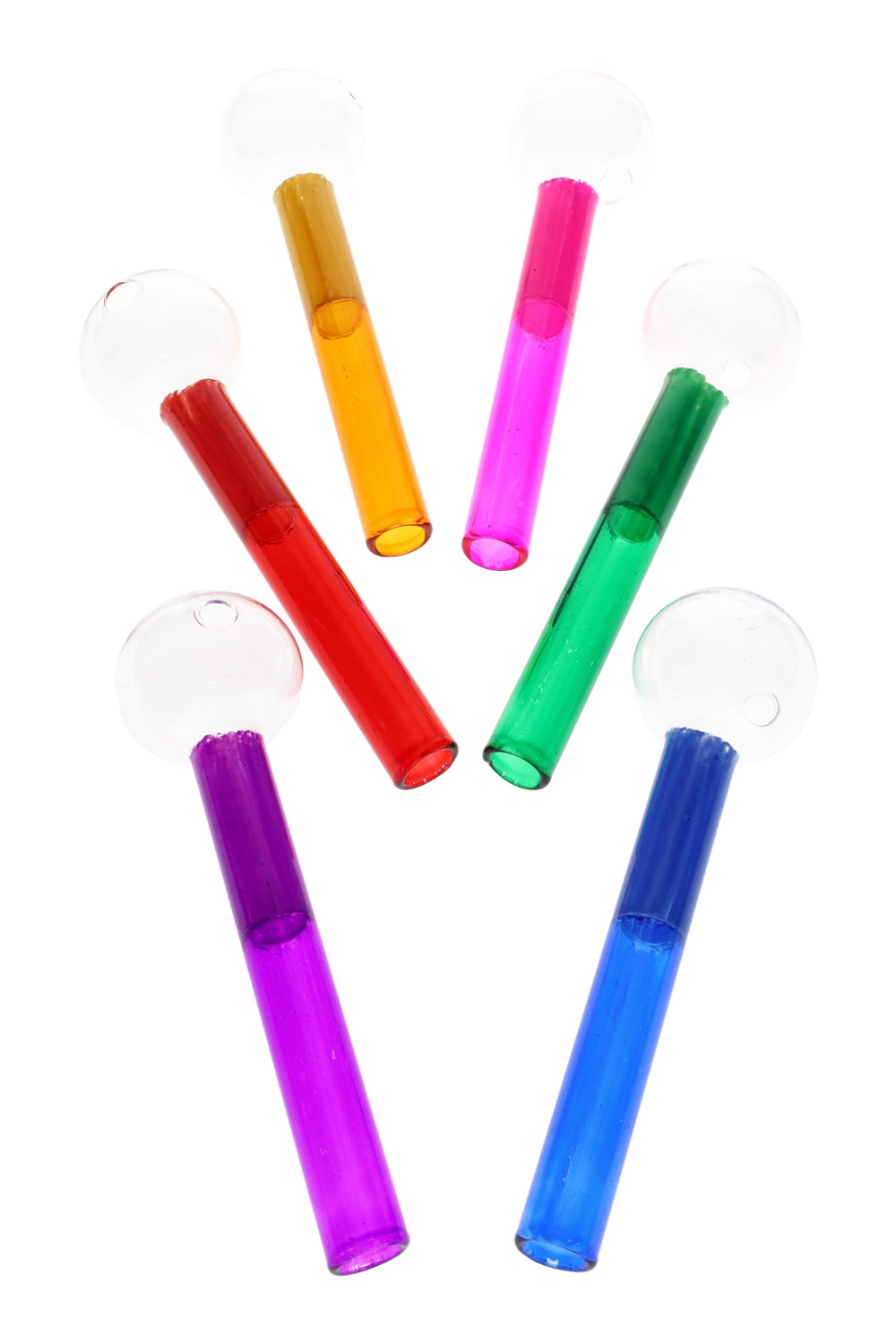
Counterfeit or low-quality glass can damage your shop's reputation. Reputable wholesalers like AOG Wholesale specialize in verified glass pipes, bowls, and rigs. Request specific photos of the inventory before placing a large order. Check for clear glass without bubbles or weak spots, ensuring the pieces are durable enough for retail customers.

Glass is fragile, and shipping damages are a real risk. A reliable supplier will have a clear, fair policy for replacing broken items. Read the fine print to see if you need to provide photos within a certain timeframe. Suppliers who stand behind their products make it easier to handle logistics issues without losing your margin.
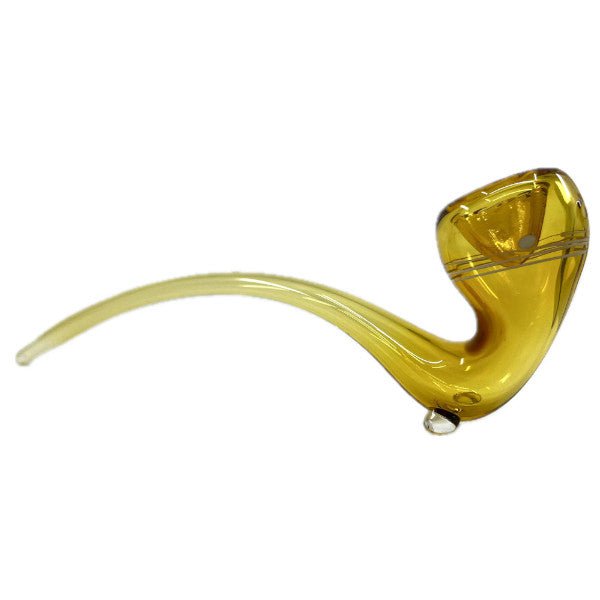
Before committing to a large order, contact the supplier with a specific question. Gauge their response time and helpfulness. If they take days to reply to a simple inquiry, expect similar delays when you have a problem with a shipment. Good communication is a strong indicator of a partner who will support your business growth.
Calculate bulk pricing and margins
Wholesale glass pipe pricing operates on thin margins, so your numbers need to be precise before you commit capital. Most distributors price borosilicate pipes between $2 and $8 per unit depending on complexity, while simple one-hitters often range from $0.50 to $2. You will encounter Minimum Order Quantities (MOQs) that vary by supplier; some wholesalers require a full case purchase (often 12-24 units), while others allow mixed assortments for smaller smoke shops.
To determine your true margin, you must look beyond the unit cost. Start by calculating your landed cost, which includes the wholesale price, freight charges, and any import duties. A common mistake is ignoring freight, which can eat up 10-15% of your margin on low-cost items. Once you have the landed cost, subtract your target retail markup. If you aim for a 50-70% retail margin, your maximum allowable landed cost for a $15 retail pipe is roughly $4.50 to $6.00.
Use this simple checklist to evaluate any new supplier quote:
-
Confirm the exact MOQ and if it applies per SKU or total order.
-
Calculate landed cost including freight, insurance, and duties.
-
Verify if the supplier offers volume discounts for orders over 500 units.
-
Check for hidden fees like packaging surcharges or credit card processing fees.
-
Compare the landed cost against your target retail price to ensure at least 50% gross margin.
By anchoring your pricing strategy to these concrete numbers, you protect your shop from overstocking low-margin items and ensure every glass pipe contributes to your bottom line.
Inspect glass quality and durability
Before committing to a wholesale order, treat every glass pipe like a structural component rather than a disposable item. Your customers expect pieces that survive the shelf and the smoke session. A quick physical inspection of borosilicate and soda-lime glass can save you from costly returns and angry reviews down the line.
Check for structural integrity and defects
Hold the pipe up to a light source to spot internal flaws. Look for bubbles, cracks, or thick spots in the glass walls. Thick spots create weak points that are prone to shattering under thermal stress. Run your fingers along the rim and joints to ensure there are no sharp edges or rough spots that could cut a user or indicate poor craftsmanship.
Verify joint fit and compatibility
Loose joints lead to leaks and frustrated customers. Test the fit of any removable parts, such as bowls or carb caps, against standard sizes. They should slide in with a gentle, snug resistance—not so tight that they risk breaking during removal, and not so loose that they fall out during use. This is especially critical for wholesale batches where manufacturing tolerances can vary.
Distinguish borosilicate from soda-lime
Understanding the glass type is essential for quality control. Borosilicate glass is heat-resistant and durable, making it the gold standard for oil burners and bongs. Soda-lime glass is more brittle and susceptible to thermal shock, often used in cheaper, decorative pieces. Check the product description or ask the supplier for the specific glass type to ensure you are stocking the right durability level for your target market.
Common sourcing mistakes to avoid
Even experienced smoke shop owners can stumble when scaling their wholesale glass pipe inventory. The most frequent error is chasing novelty trends without checking velocity. A bright, color-changing spoon pipe might look great in a catalog, but if it sits on the shelf for months, it ties up capital that could be used for reliable sellers like standard borosilicate hand pipes or classic water pipes. Always prioritize turnover rates over novelty when placing your first bulk orders.
Another costly pitfall is underestimating the fragility of glass during transit. Shipping costs for glass are rarely straightforward because they depend heavily on packaging density and weight. If a supplier offers unusually low unit prices but uses minimal padding, you will likely face breakage upon arrival. This not only results in lost inventory but also damages your reputation with customers who receive cracked or chipped items.
Finally, avoid ignoring the minimum order quantities (MOQs) set by distributors. Many wholesalers require high MOQs to justify the logistical complexity of shipping heavy glassware. Ordering too little from a single source can lead to fragmented shipments and higher per-unit shipping fees. Consolidate your order with a few trusted vendors to secure better rates and ensure consistent stock levels of your core products.
Frequently asked: what to check next
Here are answers to common questions about sourcing wholesale glass pipes for your smoke shop inventory.
No comments yet. Be the first to share your thoughts!