
Where glass margins stand now
Selling glass is still a reliable way to make money, but the easy days of the post-pandemic boom are over. Shops are fighting harder for every dollar now that customers are split between high-end glass and cheap disposables. To keep your margins from shrinking, you have to be more selective about what you stock.
Increased competition from online retailers and the proliferation of smoke shops, particularly in states with evolving cannabis laws, are impacting profitability. Supply chain disruptions, while significantly improved since 2020, still occasionally cause fluctuations in material costs and lead times. This impacts the pricing retailers can offer while protecting their margins.
Industry reports indicate average gross profit margins for glass pieces typically fall between 40% and 60%, depending on the product category and retailer's purchasing power. However, this is a broad range, and many shops report seeing those numbers compress, especially on entry-level items. Maintaining a healthy margin requires a keen understanding of product costs, competitor pricing, and effective inventory management.

Popular Categories & Their Margins
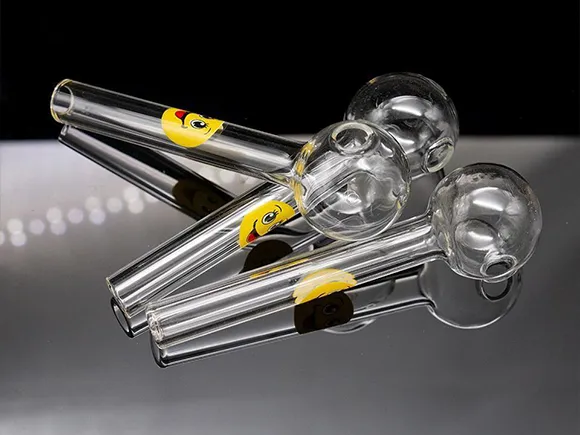
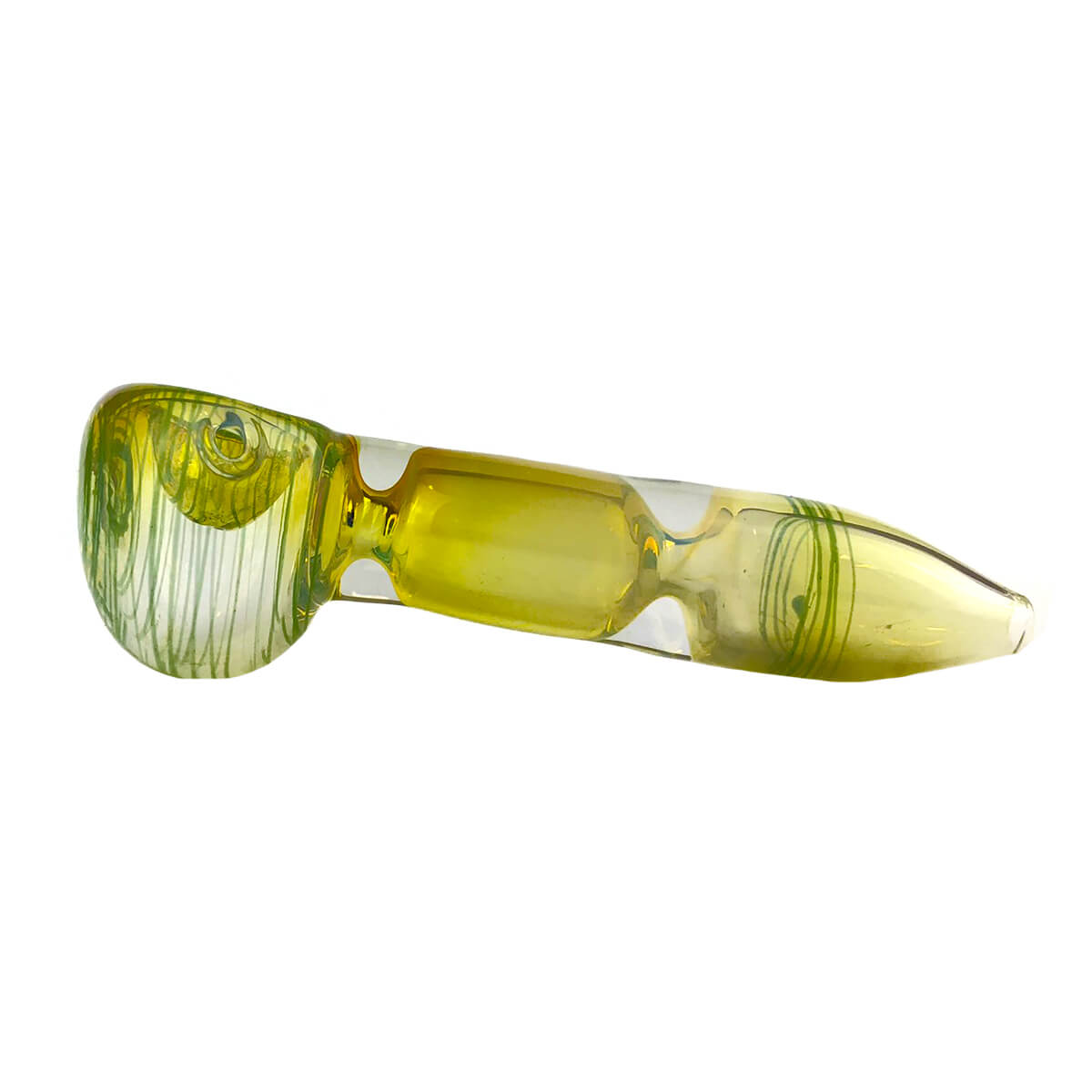
Profitability varies significantly across different product categories within the smoking accessories market. Hand pipes generally offer margins in the 35%-55% range, depending on material and complexity. SPS Wholesale currently lists basic glass hand pipes wholesale for around $2-$5 per piece, while more elaborate designs can reach $10-$20. Bongs and bubblers, being more complex to produce, typically yield higher margins – often between 45% and 65%.
Dab rigs are the heavy hitters. High-quality borosilicate or quartz pieces often see 50% to 70% margins, especially if they come from a known artist. While you won't make much on a pack of papers or a lighter—usually 20% to 30%—those small sales keep people coming through the door between big purchases.
The rise of silicone pieces is also impacting margins. While often cheaper to source, silicone accessories require lower retail prices to compete with traditional glass. This translates to tighter margins, generally in the 25%-40% range. However, silicone’s durability and resistance to breakage can reduce losses from damage, partially offsetting the lower markup. ShopLuvBuds, for example, offers silicone hand pipes wholesale starting around $1.50 each.
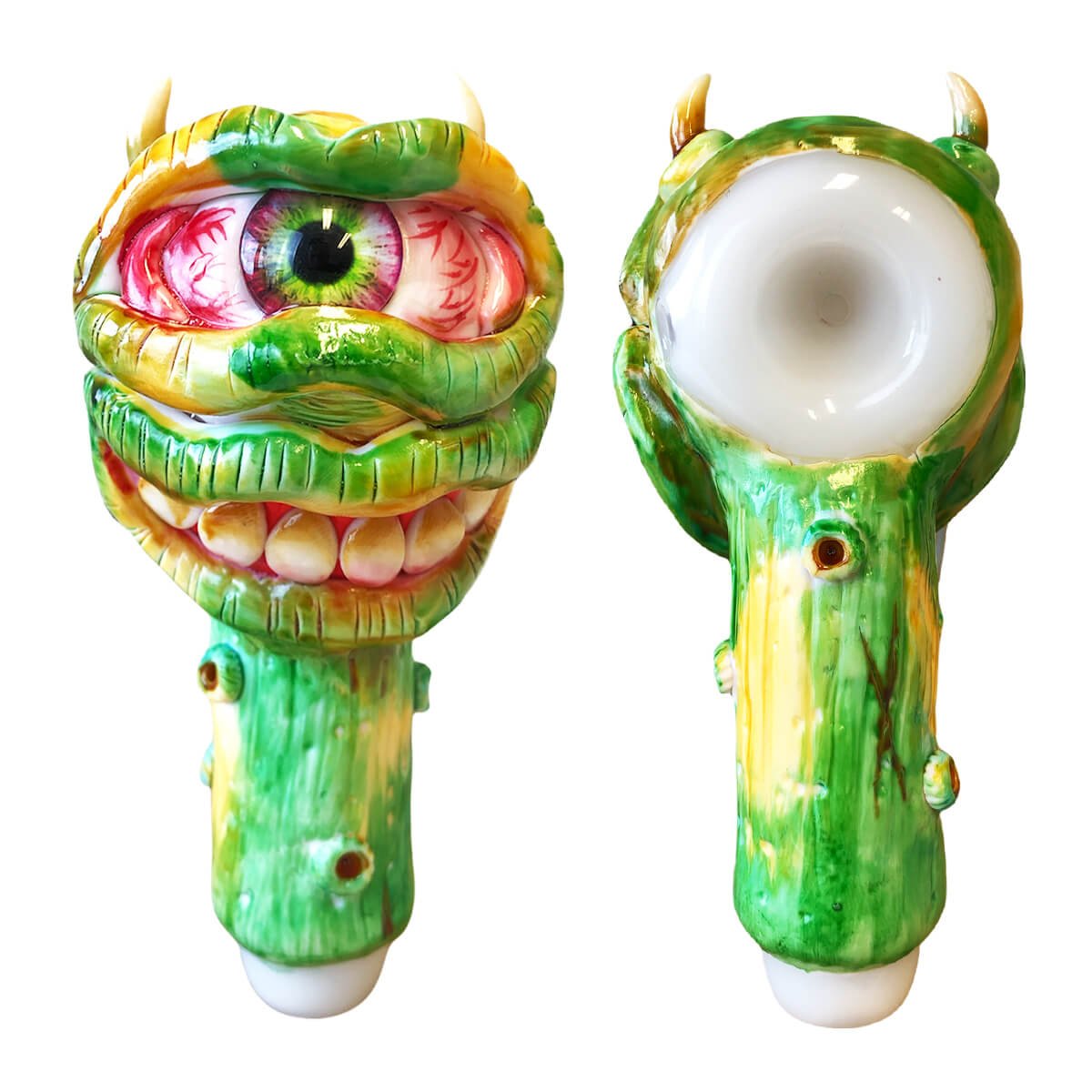
Higher-end, artist-blown glass consistently delivers the strongest margins. These pieces often retail for several times their wholesale cost, allowing for substantial profit. However, they also require a more discerning customer base and effective marketing to justify the higher price point.
- Hand pipes: 35% to 55%
- Bongs/Bubblers: 45%-65% margin
- Dab Rigs: 50%-70% margin (higher for artist pieces)
- Accessories: 20%-30% margin
- Silicone Pieces: 25%-40% margin
Getting better deals from wholesalers
Optimizing wholesale sourcing is paramount for maximizing margins. Direct importers often offer the lowest prices, but typically require large minimum order quantities (MOQs). Working with distributors like SPS Wholesale or MJ Wholesale provides access to a wider range of products and lower MOQs, but at a slightly higher cost. Boutique glassblowers offer unique, high-quality pieces but usually have limited production capacity and higher prices.
Building strong relationships with suppliers is crucial. Negotiating better pricing, securing exclusive deals, and obtaining favorable payment terms can significantly impact your bottom line. Don’t be afraid to ask for discounts on bulk orders or for assistance with marketing materials. Understanding each supplier’s strengths and weaknesses allows you to strategically source products.
Managing MOQs effectively is key. Consider collaborating with other retailers to meet MOQ requirements or exploring drop-shipping options if available. Regularly evaluating potential suppliers based on price, quality, reliability, and shipping costs is essential. A supplier that consistently delivers on time and provides high-quality products is worth a slightly higher price.
- Check suppliers for shipping speed and glass quality, not just the lowest price.
- Negotiate Pricing: Bulk discounts, payment terms.
- Manage MOQs: Collaborate with other retailers, explore drop-shipping.
Bundling & Upselling: Margin Boosters
Bundling and upselling are proven strategies for increasing average transaction value and boosting margins. Pairing a hand pipe with pipe cleaners, rolling papers, and a lighter creates a convenient package deal that customers are more likely to purchase. Offering a discount on the bundle compared to buying the items separately incentivizes the purchase.
Upselling works best when your staff actually knows the glass. If a customer is looking at a basic beaker, show them one with a thicker base or a better percolator. It’s about explaining why the extra $40 is worth it for the durability, not just pushing the most expensive item on the shelf.
Online stores can facilitate upselling through features like "Customers who bought this also bought…’ recommendations. Creating attractive promotional offers, such as ‘Buy a bong and get a free bowl," can also drive sales. Data on effective bundling combinations is limited, but common pairings include pipes with cleaners, dab rigs with carb caps, and papers with grinders.
The Rise of Custom Branding
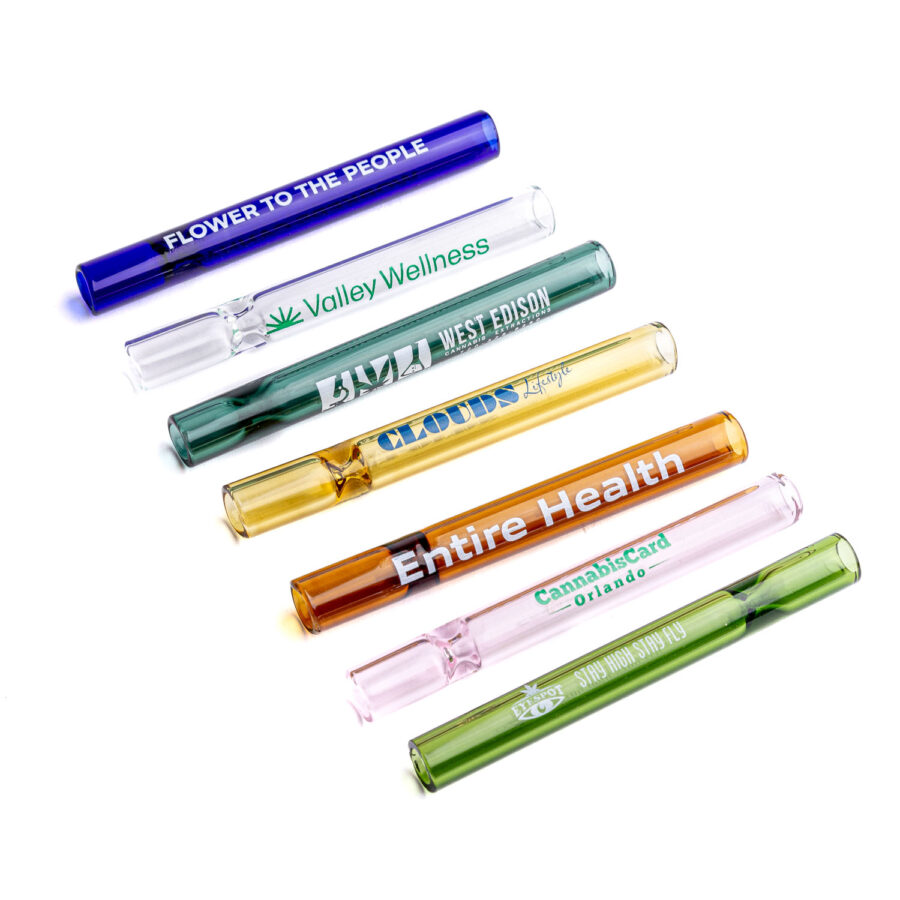
Custom branding is a growing trend in the smoking accessories market, allowing retailers to differentiate themselves and build brand loyalty. ShopLuvBuds specifically offers custom branding services, enabling shops to add their logo to glass pieces, papers, and other accessories. This increased brand recognition can justify slightly higher prices and foster repeat business.
The costs involved in custom branding vary depending on the product, quantity, and complexity of the design. Generally, there are setup fees for creating the artwork and minimum order quantities. However, the benefits of increased brand awareness and perceived value can outweigh the initial investment. Products like rolling papers, lighters, and simple glass pieces are well-suited for custom branding.
While custom branding was once primarily the domain of larger retailers, it is becoming increasingly accessible to smaller shops. Minimum order quantities are decreasing, and online platforms are simplifying the design and ordering process. It’s a strategic investment for shops looking to establish a unique brand identity and compete effectively.
Inventory Management: Avoiding Margin Erosion
Effective inventory management is crucial for preventing margin erosion. Glass is fragile, and breakage can lead to significant losses. Proper storage and handling are essential – using padded shelves, secure displays, and careful packaging for shipments. Theft is also a concern, requiring robust security measures.
Implementing an inventory tracking system, even a simple spreadsheet, allows you to monitor stock levels, identify slow-moving items, and optimize ordering. Regularly conducting physical inventory counts ensures accuracy. Strategies for clearing out slow-moving items include offering discounts, bundling them with popular products, or returning them to the supplier if possible.
Insurance coverage for glass breakage is highly recommended. Many business insurance policies offer coverage for accidental damage, but it’s important to review the terms and conditions carefully. Proactive inventory management minimizes losses and protects your profitability.
- Secure Storage: Padded shelves, secure displays.
- Inventory Tracking: Spreadsheets or dedicated software.
- Regular Counts: Ensure accuracy.
- Insurance: Coverage for breakage.
Inventory Management Approach Comparison for Headshop Retailers
| Cost | Complexity | Accuracy | Scalability |
|---|---|---|---|
| Low | Low | Low | Low |
| Medium | Medium | Medium | Medium |
| High | High | High | High |
Illustrative comparison based on the article research brief. Verify current pricing, limits, and product details in the official docs before relying on it.

No comments yet. Be the first to share your thoughts!