
Define your pipe inventory strategy
Your wholesale glass pipe selection should mirror your local customer base rather than chasing every trend. Start by categorizing inventory into three distinct tiers: classic utility, mid-range design, and high-end novelty. This structure ensures steady cash flow while leaving room for seasonal spikes.
Classic spoon and beaker pipes form the backbone of most smoke shop sales. These items move quickly because they are affordable, durable, and replaceable. Stocking a wide variety of colors and basic shapes here captures the casual smoker who prioritizes function over flash. Wholesale suppliers like SPS Wholesale and MJ Wholesale offer extensive catalogs of these staple items, allowing you to bulk-order at margins that support consistent restocking.
Novelty and artistic pieces serve a different purpose. They attract collectors and impulse buyers but carry higher risk due to breakage and slower turnover. Limit these to a smaller portion of your floor space. Use them to differentiate your brand from big-box competitors, but do not let them dominate your capital.
Consider your price points carefully. A healthy inventory mix includes entry-level pipes under $15, mid-range options between $15 and $40, and premium pieces above $40. This range ensures you capture budget-conscious customers without neglecting those willing to pay for craftsmanship. Adjust these ratios based on your specific demographic data. If your area has a high concentration of connoisseurs, shift slightly toward higher-margin artistic pieces. If you are in a high-traffic tourist zone, focus on colorful, portable classics that serve as souvenirs.
Compare wholesale supplier options
Choosing a wholesale supplier for glass pipes requires balancing product variety against operational costs. You are evaluating partners who can keep your shelves stocked with consistent quality while minimizing your overhead on shipping and minimum order quantities. The right supplier acts as a reliable extension of your inventory management system.
Use the comparison table below to evaluate four common wholesale models. This data highlights the trade-offs between specialized glass vendors and general smoke shop distributors. Focus on the minimum order requirements and shipping thresholds, as these directly impact your cash flow and storage space.
| Supplier Type | Min. Order | Shipping | Product Range |
|---|---|---|---|
| Specialty Glass (e.g., SPS) | $200-$500 | Free over $500 | High (Glass focused) |
| General Smoke Shop (e.g., MJ Wholesale) | $150-$300 | Flat rate or $1000+ | Medium (Mixed goods) |
| Direct Manufacturer (e.g., Hara) | $1000+ | Negotiable/Free over $1000 | High (Custom/Branded) |
| Regional Distributor (e.g., LA Wholesale) | $500-$1000 | Free over $1000 | Medium (Local brands) |
When comparing these options, consider your current sales velocity. If you turn over inventory quickly, a lower minimum order quantity allows you to test new styles without tying up capital. If you sell established classics, a higher minimum order from a manufacturer might secure better per-unit pricing and free shipping, which improves your margin on each pipe sold.
Order and inspect your glass stock
Source Wholesale Glass Pipes for Your Smoke Shop works best when the purchase path is explicit. Verify the source, compare the offer against real alternatives, check the total cost, and confirm what happens after payment before you decide. After each comparison, write down the one risk that would change your mind. If the seller, condition, support, warranty, shipping, or upkeep still feels uncertain, resolve that question before moving to checkout.
-
Verify the sellerCheck reputation, included details, delivery terms, and return policy before treating the listing as credible.
-
Compare total costAdd shipping, accessories, maintenance, warranty, and likely replacement costs to the listed price.
-
Confirm fitMatch the option to the real use case before paying for features that will not matter.
Price and display your glass collection
Setting the right price for wholesale glass pipes requires balancing your initial cost with the perceived value of the piece. Glass is fragile and visually distinct, so your pricing strategy should reflect both the material quality and the risk of breakage during handling. Start by calculating your landed cost—wholesale price, shipping, and any import duties—then apply a standard retail markup. For entry-level bulk pipes, a 2x to 2.5x markup is common to move volume. For artisanal or specialized pieces like ice pinch or percolator pipes, you can often justify a 3x to 4x markup because these items serve as display pieces that elevate the shop’s aesthetic.

Determine your break-even point by adding all overheads to the wholesale cost. Ensure your final retail price leaves enough room for promotions without eroding profit. Glass pipes are impulse buys, so competitive pricing on entry-level items can drive foot traffic for higher-margin accessories.
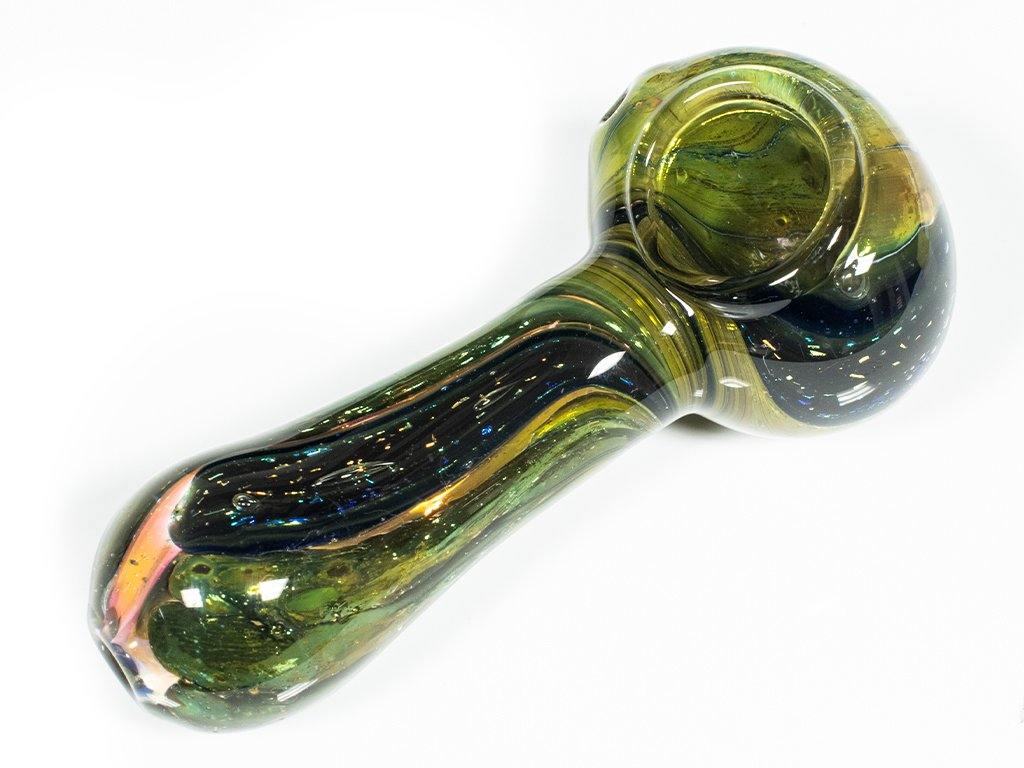
Organize your wholesale glass pipes into clear price brackets: budget ($5–$15), mid-range ($15–$40), and premium ($40+). This helps customers self-select based on their budget and reduces decision fatigue. Label these tiers clearly on shelf talkers or digital signage.
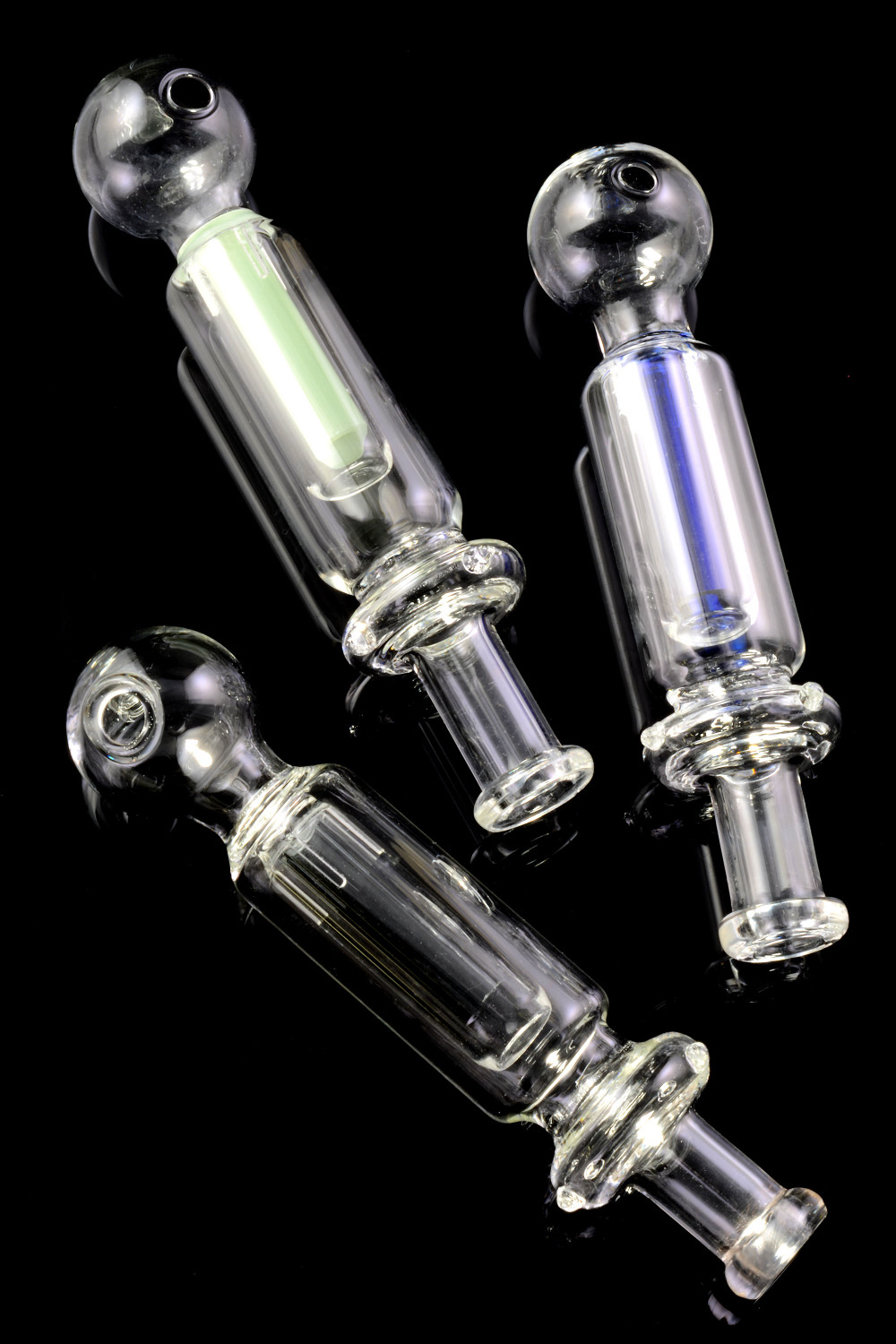
Create bundles that pair wholesale glass pipes with consumables like lighters, cleaners, or ash trays. Bundling increases the average order value and helps move slower-selling inventory. Offer a small discount on the bundle compared to buying items separately to incentivize the purchase.
Displaying your collection is just as important as pricing it. Glass pipes are visual products; customers need to see the clarity, color, and craftsmanship to appreciate the value. Use well-lit, secure shelving that allows customers to view the pipes from multiple angles without touching them. Fragile items should be placed on lower shelves or behind glass counters to prevent accidental breakage, while higher-end pieces can be displayed on elevated pedestals to draw the eye.
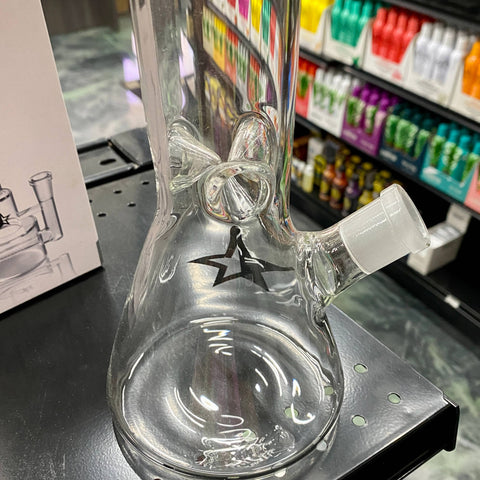
Visibility drives sales. Place wholesale glass pipes near the checkout counter for impulse purchases, but ensure they are securely anchored. Use small, clear acrylic stands to keep pipes upright and stable. Avoid overcrowding shelves; leave enough space between items so customers can easily pick up and inspect a pipe without disturbing the rest of the display. Good lighting, particularly warm white LEDs, enhances the transparency and color of the glass, making the products more appealing.
Common sourcing mistakes to avoid
Retailers often focus heavily on the unit cost of wholesale glass pipes, overlooking the total landed cost. This narrow view can erode margins before a single item reaches the shelf. Two frequent errors include ignoring quality control standards and underestimating shipping expenses.
Ignoring quality control standards
Not all glass pipes meet the same durability requirements. Thin-walled pieces break easily during transit or customer use, leading to high return rates and negative reviews. When sourcing wholesale glass pipes, verify that suppliers use heat-resistant borosilicate glass and have consistent firing processes. Requesting samples before placing a bulk order allows you to test for structural integrity and finish quality.
Underestimating shipping costs
Glass is heavy and fragile, making logistics a significant expense. Many wholesalers offer tiered discounts on product price but charge separately for freight. Ignoring these fees can turn a seemingly cheap bulk order into a loss. Always calculate the total cost per unit, including packaging and shipping, to determine if the deal is actually profitable. Some suppliers offer free shipping on orders over a certain threshold, which can help offset these costs.
Frequently asked questions about wholesale glass pipes
Retailers sourcing wholesale glass pipes need to balance durability, margin, and shelf appeal. The following questions address the most common operational concerns when stocking this category.
No comments yet. Be the first to share your thoughts!