
The Rising Demand for Ethical Sourcing in Headshop Supplies
The demand for ethically sourced products is no longer confined to mainstream consumer goods; it’s firmly taking root in the wholesale headshop supply chain. Retailers are increasingly facing pressure from customers who want to understand the origins of their purchases and the environmental impact of their production. This isn’t just a trend, it's a fundamental shift in consumer behavior that wholesale buyers—headshops and smoke shops—must address to remain competitive.
This demand extends beyond simply knowing where a product is made. Customers are asking about the materials used, the energy consumed during manufacturing, and the waste generated. Responding to these concerns requires a level of transparency that wasn't previously necessary in this industry. The implications are significant, forcing manufacturers and wholesalers to reassess their practices and prioritize sustainability.
U.S. Customs and Border Protection ruling H013316 (March 10, 2008) clarifies that glass smoking pipes are admissible under federal law. This legal baseline allows manufacturers to focus on material transparency without the constant threat of seizure, provided they document their supply chains clearly.
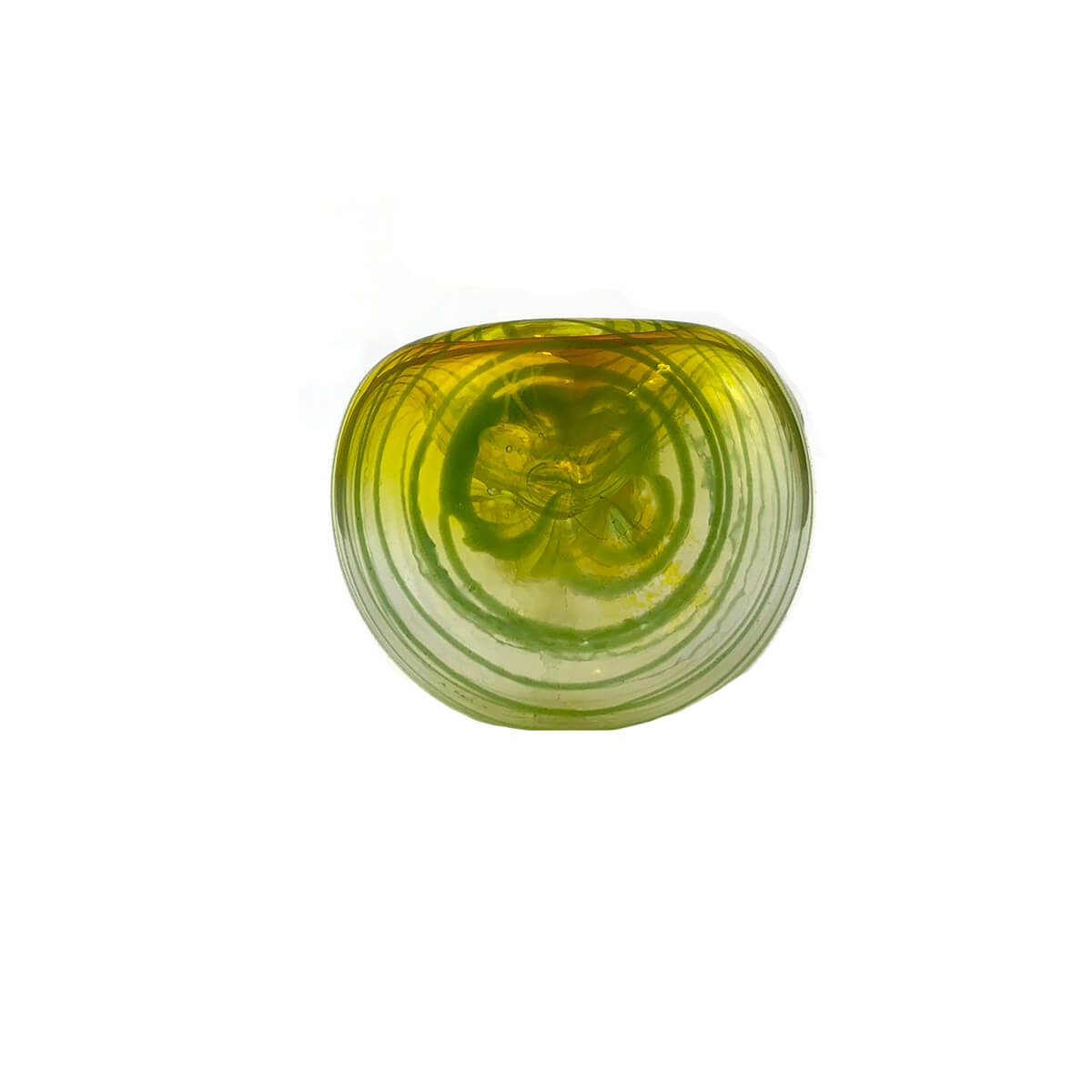
What Does 'Sustainable' Actually Mean for Glass Pipes?
Sustainability in glass pipes covers the entire production lifecycle. It is more than just using recycled materials. We look at raw material sourcing, energy use, waste, and packaging to reduce the total environmental footprint.
Specifically, we need to look at the composition of the borosilicate glass itself. Is it sourced responsibly? What percentage of recycled content is included? Energy consumption is a major factor, particularly in glassblowing, and manufacturers should be actively pursuing more efficient furnace technologies and renewable energy sources. Waste reduction strategies, like internal recycling of glass scrap, are equally important.
Packaging often gets overlooked, but it presents a significant opportunity for improvement. Moving away from plastic and towards biodegradable or compostable materials can drastically reduce environmental impact. Finally, minimizing packaging altogether—adopting a minimalist approach—is a powerful statement. Sustainability isn’t a single action; it’s a commitment to continuous improvement across all facets of the manufacturing process.
Here's a breakdown of the key areas for sustainable glass pipe manufacturing:
* Raw Materials: Prioritizing recycled glass content and responsible sourcing of virgin materials.
* Energy Consumption: Utilizing energy-efficient furnaces and renewable energy sources.
* Waste Reduction: Implementing internal recycling programs for glass scrap and minimizing waste during production.
* Packaging: Switching to biodegradable, compostable, or minimalist packaging options.
- Raw Materials: Prioritizing recycled glass content and responsible sourcing of virgin materials.
- Energy Consumption: Utilizing energy-efficient furnaces and renewable energy sources.
- Waste Reduction: Implementing internal recycling programs for glass scrap and minimizing waste during production.
- Packaging: Switching to biodegradable, compostable, or minimalist packaging options.
Evaluating Supplier Sustainability
- Recycled Content - Does the supplier utilize recycled glass (cullet) in their manufacturing process? Increased use of cullet reduces reliance on raw materials and lowers energy consumption.
- Energy Efficiency - Does the supplier demonstrate a commitment to energy efficiency in their facility? Look for evidence of modern furnace technology, waste heat recovery systems, or renewable energy sources.
- Eco-Friendly Packaging - Does the supplier prioritize sustainable packaging materials? This includes minimizing plastic, using recycled cardboard, and employing biodegradable packing peanuts or alternatives.
- Water Conservation - Glass manufacturing can be water-intensive. Inquire about the supplier’s water usage and any implemented water recycling or conservation programs.
- Waste Management - What is the supplier’s approach to waste management? A robust program should address glass waste, packaging materials, and other byproducts of the manufacturing process.
- Transparency & Reporting - Does the supplier publish a sustainability report or openly share information about their environmental impact? Transparency is a key indicator of commitment.
- Third-Party Certifications - Does the supplier hold any relevant third-party certifications demonstrating adherence to environmental standards? (e.g., ISO 14001 for Environmental Management Systems).
- Local Sourcing - Does the supplier prioritize sourcing materials and manufacturing locally? Reducing transportation distances minimizes carbon emissions.
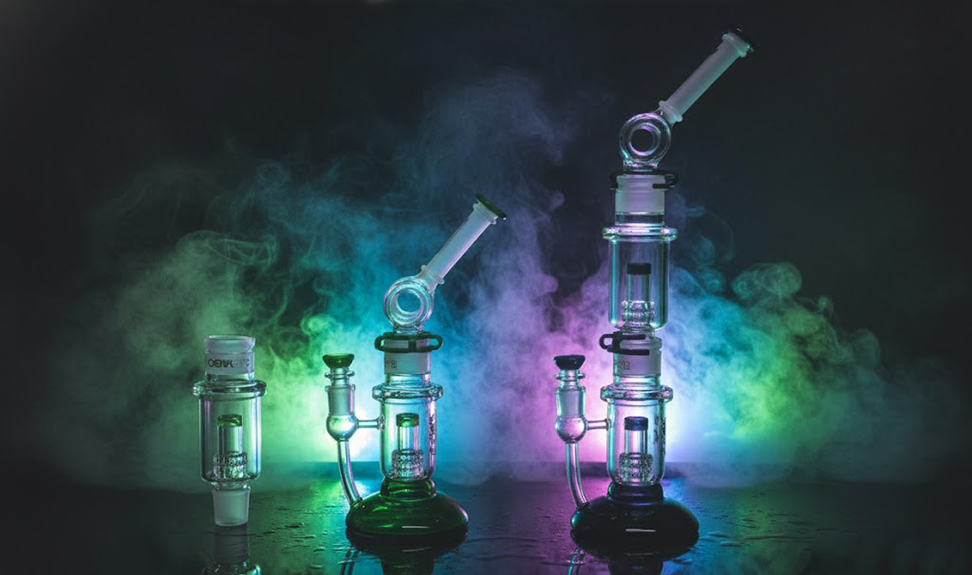
Wholesale glass pipes for smoking,https://t.co/tGjzO46TNK;Email:starstonevapor.sally@gmail.com
— sallyfang (@starstonevapor) October 18, 2022
Website:https://t.co/L2hKhvojN8;#canna #indoorcannabis #smokingset #cigaretteset #glasswaterpipe #cigarettegun #glassbong #glasspipe #bong #pipe #rawpapers #420community pic.twitter.com/eWONb4EGtS
Raw Materials: Beyond Borosilicate – The Push for Recycled Glass
Borosilicate glass is the industry standard because it is durable and heat resistant. However, mining the necessary silica and soda ash disrupts ecosystems and consumes heavy amounts of energy. These materials are extracted from the earth, requiring significant energy and disrupting ecosystems. This is driving a growing interest in utilizing recycled glass, often referred to as "cullet," as a substitute.
The use of recycled glass offers a number of benefits. It reduces the demand for virgin materials, conserves natural resources, and requires less energy to melt than raw materials. However, incorporating recycled glass isn’t without its challenges. Maintaining consistent quality and color can be difficult, as cullet often contains impurities or variations in composition.
Currently, the percentage of recycled glass used in pipe manufacturing varies widely. A conservative estimate suggests that between 10-30% of the glass used by some manufacturers is recycled, though this number is increasing as technology improves and demand grows. Different grades of recycled glass exist, with varying levels of purity and color consistency, impacting its suitability for specific applications. The cost of sourcing and processing cullet can also be a factor for manufacturers.
Energy Consumption and the Future of Glassblowing
Glassblowing is an inherently energy-intensive process, requiring extremely high temperatures to melt and shape the glass. Traditional gas-fired furnaces are the norm, but they contribute significantly to carbon emissions. Reducing energy consumption is therefore paramount to improving the sustainability of glass pipe manufacturing.
Manufacturers are exploring several technologies to address this issue. More efficient furnace designs, incorporating better insulation and heat recovery systems, can reduce energy waste. Electric furnaces, powered by renewable energy sources, offer a potentially carbon-neutral alternative to gas-fired furnaces, though the initial investment is significantly higher. The feasibility of electric furnaces depends on access to affordable and reliable renewable energy.
Government incentives and grants are becoming increasingly available to support manufacturers in upgrading their equipment and adopting sustainable practices. These programs can help offset the costs of investing in new technologies. However, these changes inevitably impact production costs, which must be carefully considered when pricing wholesale products. A more efficient process doesn't automatically translate to lower prices, but it does offer a stronger value proposition for environmentally conscious retailers.
Waste Reduction: Closing the Loop on Glass Scrap
Glass scrap is an unavoidable byproduct of pipe manufacturing, generated during cutting, shaping, and quality control. Traditionally, this scrap was often discarded as waste. However, forward-thinking manufacturers are now recognizing the value of this material and implementing strategies to minimize waste and "close the loop."
The most common approach is internal recycling: re-melting glass scrap and using it to create new products. This significantly reduces the demand for virgin materials and lowers energy consumption. Another option is selling glass scrap to other industries, such as construction, where it can be used as an aggregate material. More innovative uses for glass waste are also emerging, such as creating decorative tiles or landscaping materials.
Challenges to effectively recycling glass scrap include contamination (e.g., from different colors or types of glass) and transportation costs. Maintaining the purity of the scrap stream is crucial for ensuring the quality of the recycled products. However, the benefits of reducing waste and conserving resources far outweigh these challenges.
Packaging and Shipping: Minimizing the Carbon Footprint
Packaging is often an afterthought, but it contributes significantly to the overall environmental impact of a product. The shift away from plastic packaging—bubble wrap, foam inserts, plastic bags—towards biodegradable or compostable alternatives is gaining momentum. Materials like mushroom packaging, recycled cardboard, and plant-based plastics are becoming increasingly popular.
Minimalist packaging designs, which reduce the amount of material used, are also a key strategy. This can involve streamlining packaging sizes, eliminating unnecessary layers, and using more efficient packing methods. Reducing packaging weight also lowers shipping costs and reduces the carbon footprint associated with transportation.
Speaking of shipping, manufacturers are increasingly optimizing shipping routes and exploring carbon-neutral shipping options. SPS Wholesale (spswholesale.com) ships from California, which can be a significant advantage for retailers on the West Coast, reducing transit times and shipping costs. A localized supply chain minimizes transportation emissions.

The Cost of Going Green: Will Eco-Friendly Pipes Impact Retail Prices?
The inevitable question: will sustainability come at a cost? In many cases, eco-friendly pipes will likely be more expensive than traditionally manufactured pipes, at least initially. The investment in new technologies, sustainable materials, and ethical labor practices all contribute to higher production costs.
However, manufacturers can mitigate these costs through economies of scale, process optimization, and strategic sourcing. It’s also important to consider the potential marketing benefits of offering eco-friendly products. Environmentally conscious consumers are often willing to pay a premium for products that align with their values. Highlighting the sustainability features of your products can attract a new customer base and enhance brand reputation.
Transparency is key. Retailers should clearly communicate the sustainability features of the pipes they sell to their customers. This builds trust and reinforces the value proposition. Ultimately, the cost of going green is an investment in the future of the industry and a reflection of a commitment to environmental responsibility.
Glass Manufacturing & Packaging Stocks Price Comparison
Current market data for sustainable packaging industry leaders - December 2024
| Asset | Current Price | 24h | 7d | 30d | Market Cap |
|---|---|---|---|---|---|
| O-I Glass Inc O-I | $12.45 | +1.8% | -2.3% | +8.7% | $1.95B |
| Crown Holdings Inc CCK | $118.32 | +0.9% | +3.2% | +5.4% | $15.8B |
| Silgan Holdings Inc SLGN | $47.89 | -0.7% | +1.5% | +3.8% | $5.3B |
| Sonoco Products Company SON | $54.76 | +0.4% | +2.1% | +6.2% | $5.4B |
| Amcor plc AMCR | $9.87 | +1.2% | +0.8% | +4.1% | $14.2B |
| Sealed Air Corporation SEE | $35.21 | -0.3% | +1.9% | +7.3% | $5.1B |
Analysis Summary
Crown Holdings leads in absolute price and market cap at $118.32 and $15.8B respectively, while O-I Glass shows the strongest monthly gains at +8.7% despite being the lowest-priced stock at $12.45. The sustainable packaging sector shows generally positive momentum across all companies.
Key Insights
- Crown Holdings (CCK) commands premium valuation as the largest player with $15.8B market cap
- O-I Glass (O-I) demonstrates strong recovery momentum with +8.7% monthly gains despite lowest absolute price
- All six companies show positive 30-day performance, indicating sector-wide optimism for sustainable packaging solutions
Prices reflect current market data for publicly traded packaging and glass manufacturing companies. Market caps calculated using outstanding shares and current trading prices. Performance data based on recent trading sessions.
Disclaimer: Stock prices are highly volatile and subject to market fluctuations. Data is for informational purposes only and should not be considered investment advice. Always do your own research before making investment decisions.
Looking Ahead: Trends and Predictions for Sustainable Glass in 2026
By 2026, we can expect to see a significant increase in the use of recycled glass as the standard material for pipe manufacturing. Advancements in glass processing technology will likely address the challenges associated with maintaining quality and color consistency with recycled cullet. Renewable energy sources will power a growing percentage of glassblowing operations, driven by both environmental concerns and economic incentives.
Consumer demand for sustainable products will continue to rise, putting further pressure on manufacturers to adopt eco-friendly practices. Retailers who prioritize sustainability will be well-positioned to capture this growing market segment. While consumers may be willing to pay a premium for eco-friendly options, affordability will remain a key factor, prompting manufacturers to find innovative ways to balance sustainability with cost-effectiveness.
The industry will likely see increased collaboration between manufacturers, suppliers, and retailers to create a more sustainable supply chain. This will involve sharing best practices, developing common standards, and investing in research and development. The future of glass pipe manufacturing is undoubtedly green, and those who embrace sustainability will be the leaders of tomorrow.
No comments yet. Be the first to share your thoughts!