
What's moving in the 2026 market
The wholesale glass bong market in 2026 is showing a clear bifurcation. We’re seeing sustained demand for high-end, artistic pieces—those in the $150 to $300 range are moving steadily—alongside a surprising resilience in the under-$50 price bracket. Retailers who cater to both ends of the spectrum are performing best. This suggests consumers are either willing to invest in a statement piece or prioritize affordability and disposability.
Demand for borosilicate glass remains dominant, but silicone is steadily gaining traction, particularly among younger consumers and those prioritizing portability. Reports from retailers indicate a 15% increase in silicone pipe sales over the last six months, driven largely by online marketing and social media trends. The appeal is clear: silicone is nearly unbreakable, making it ideal for travel and less prone to accidental damage.
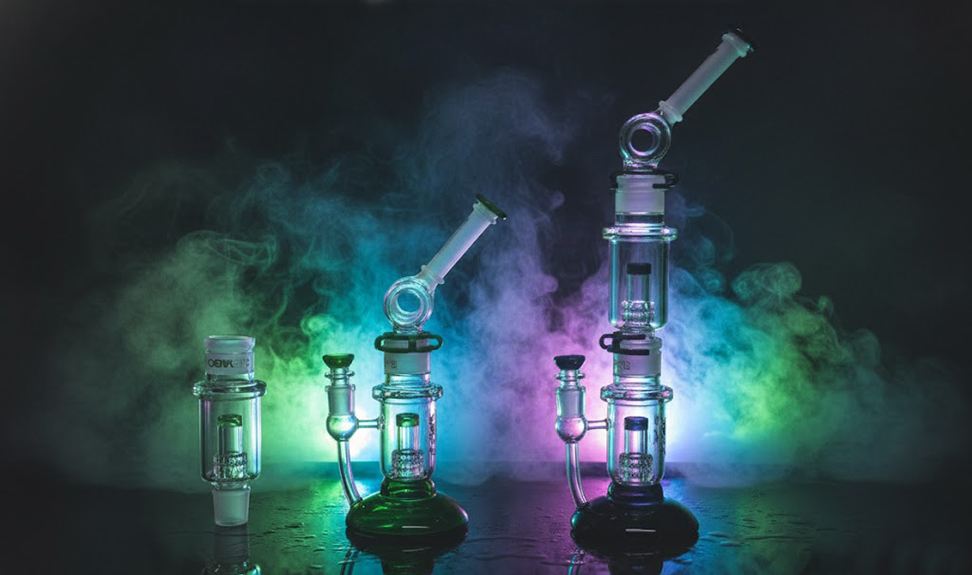
Perc bongs are still the standard, but the specific styles are changing. While honeycomb percs are the reliable baseline, I'm seeing more shops stock complex tree and Swiss percs for their premium shelves. Local laws dictate the size—shops in newly legal states can move massive beaker bases, while those in stricter areas stick to small, easily hidden pieces.
Increased competition is a significant factor. The market is becoming saturated with suppliers, driving down prices and putting pressure on margins. Retailers are responding by focusing on differentiation—offering unique designs, bundled packages, and superior customer service. Those who can build a strong brand identity are best positioned to succeed.
Spotting high-grade glass
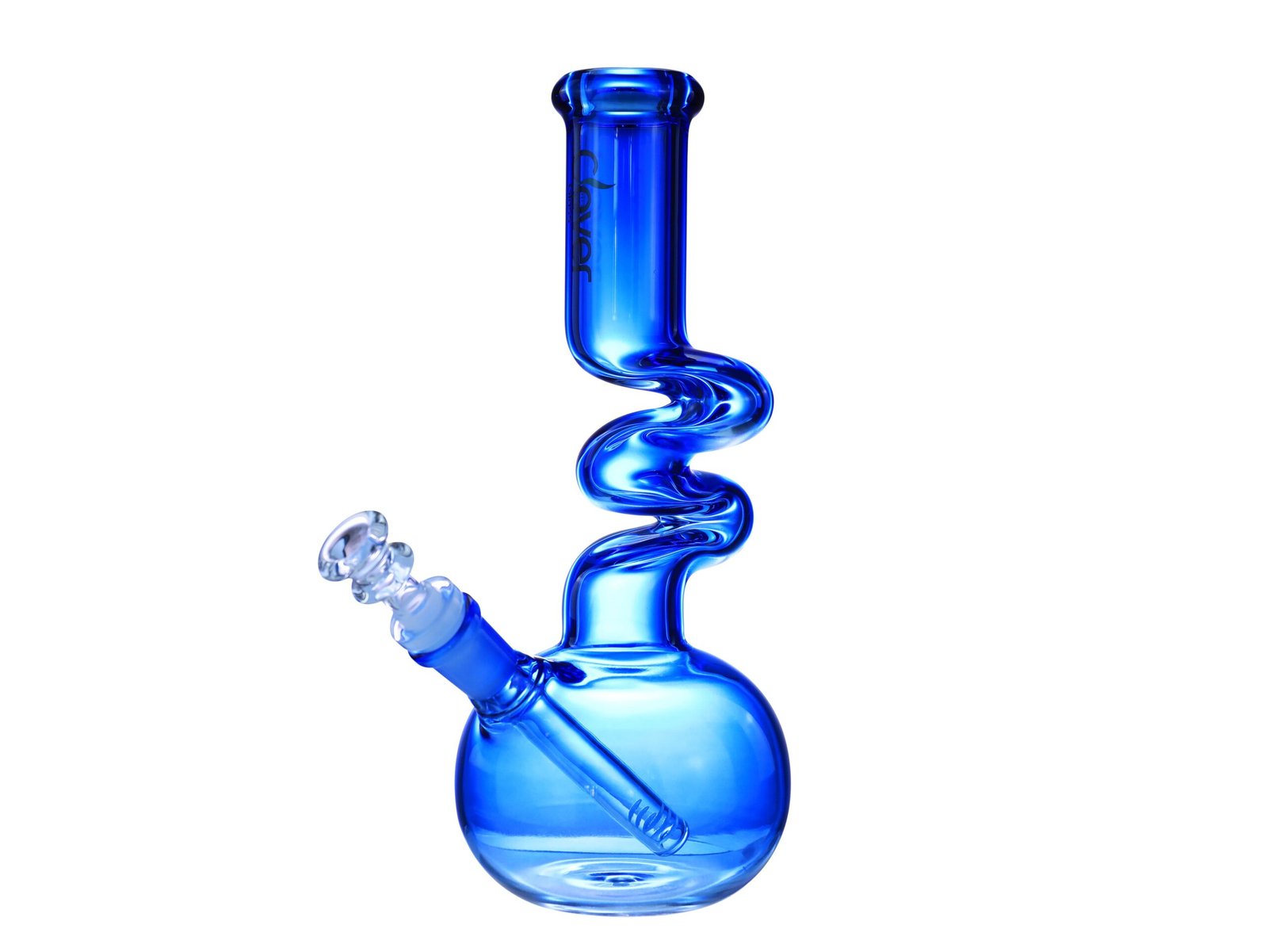
Thick glass is a good start, but it isn't everything. You want 3.3 borosilicate. It handles heat better than the cheap 'soft' glass found in gas station pipes. Check the clarity under a bright light; if you see tiny bubbles or a yellowish tint, the glass is low-grade and prone to cracking.
Wall thickness consistency is another crucial factor. Uneven wall thickness can create weak points, making the piece susceptible to cracking. Inspect pieces carefully for any noticeable variations in thickness, especially around joints and stress points. Standard joint sizes – 14mm and 18mm – are important for compatibility with accessories, but verify the grind quality. A smooth, consistent grind ensures a tight seal.
Manufacturing defects are common, so diligent inspection is essential. Look for stress fractures, which appear as hairline cracks, and uneven heating, which can cause warping or distortion. Gently tap the glass; a clear, ringing tone indicates quality, while a dull thud suggests imperfections. Proper annealing—a controlled cooling process—is vital for relieving stress in the glass and preventing future breakage. Ask suppliers about their annealing processes.
Don’t rely solely on visual inspection. If possible, request samples for testing. A simple water test can reveal leaks or structural weaknesses. Building a relationship with a supplier who is transparent about their manufacturing processes is far more valuable than simply chasing the lowest price.
- Look for bubbles: Tiny air pockets mean the glass is weak and likely to shatter under heat.
- Check Wall Thickness: Ensure consistent thickness throughout the piece.
- Verify Joint Grind: A smooth grind creates a tight seal.
- Listen for Ringing Tone: A clear tone suggests quality.
Choosing the right percolator
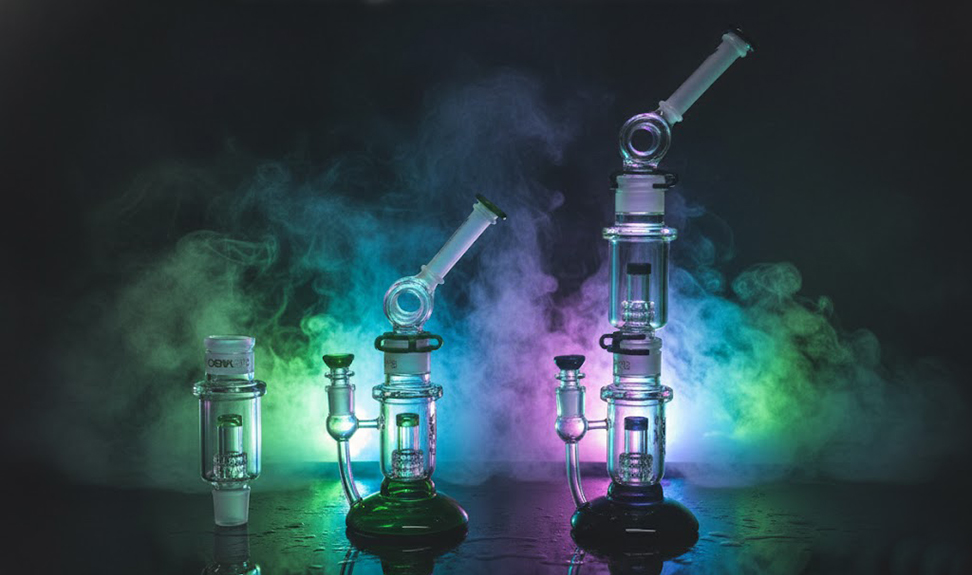
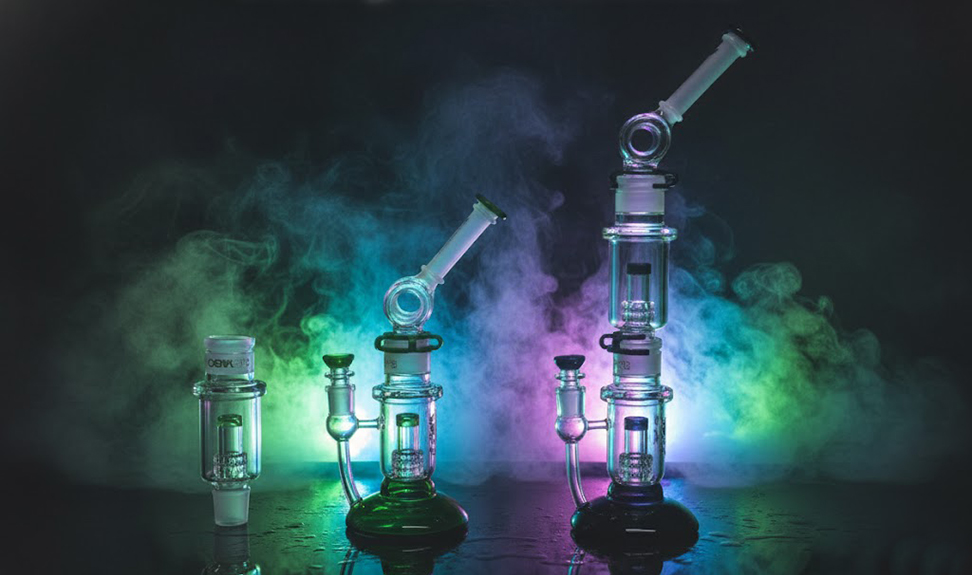
Perc bongs are a consistent seller, but understanding the different perc types is key to guiding customers. Honeycomb percs are the most common, creating numerous small bubbles that filter smoke effectively. They deliver a smooth hit and are relatively easy to clean, making them a good all-around option. However, they can sometimes produce a bit of water drag.
Tree percs offer a more complex filtration system, with branching arms that create a larger surface area for diffusion. This results in a cooler, smoother hit, but they can be more difficult to clean due to the intricate design. Inline percs are simple and effective, offering a good balance of filtration and ease of cleaning.
Swiss percs combine elements of honeycomb and tree percs, creating a highly efficient filtration system. They deliver a very smooth hit but are typically found in higher-priced bongs. The design impacts water drag; more complex percs generally require more effort to pull smoke through.
Price point is directly correlated to perc complexity. A basic honeycomb perc bong might retail for $50-$80, while a Swiss perc bong could easily exceed $200. Consider your target customer and their willingness to pay when selecting your inventory. Emphasize the user experience – the smoothness, cooling, and overall enjoyment – when describing each perc type.
Silicone vs. glass
Silicone pipes have undeniably disrupted the market, offering a compelling alternative to traditional glass. Their primary advantage is durability. They’re virtually shatterproof, making them ideal for on-the-go use and less prone to accidental breakage. Silicone is also easier to clean than glass, often requiring just a quick rinse with isopropyl alcohol.
However, glass still holds advantages in terms of flavor purity and aesthetics. Glass doesn’t retain flavors, ensuring a clean taste with each hit. It also offers a wider range of artistic designs and customization options. High-quality glass pieces can be visually stunning, appealing to customers who value aesthetics.
Heat resistance is a consideration. While silicone is generally heat-resistant, prolonged exposure to high temperatures can cause it to melt or release potentially harmful chemicals. Glass, particularly borosilicate glass, can withstand high temperatures without degrading. Silicone’s price point is generally lower, making it an attractive option for budget-conscious consumers.
The decision isn’t about one being "better’ than the other. It"s about understanding your target customer. If you cater to a younger, more adventurous demographic, silicone pipes might be a good fit. If your customers prioritize flavor and aesthetics, focus on high-quality glass. Stocking both provides options and caters to a wider range of preferences.
Glass vs. Silicone Bongs: A Retailer's Comparison - Projected 2026
| Factor | Glass | Notes |
|---|---|---|
| Price Point | Medium | Silicone generally offers lower unit costs, potentially increasing margin for retailers. |
| Durability | Low | Silicone is significantly more resistant to breakage from drops or impacts, a key consideration for customer use and returns. |
| Cleaning Effort | Medium | Glass requires more frequent and meticulous cleaning to maintain flavor purity, but established cleaning solutions are readily available. Silicone is easier to clean but can retain odors. |
| Flavor Purity | High | Glass is inert and does not impart flavors, providing a cleaner taste. Silicone can sometimes impart a slight taste, particularly with initial uses. |
| Perceived Value | High | Glass bongs, especially those with artistic designs, often carry a higher perceived value with consumers. |
| Target Customer | Experienced Smokers, Collectors | Market segmentation is crucial. Silicone appeals to customers prioritizing portability and durability; glass attracts those valuing ritual and flavor. |
| Retail Margin Potential | Medium | Both materials offer viable margins. Glass allows for premium pricing with unique designs, while silicone benefits from high volume sales. |
| Shipping Risk | High | Glass is susceptible to breakage during shipping, requiring careful packaging and potentially increasing shipping costs and loss rates. Silicone is far more resilient. |
Illustrative comparison based on the article research brief. Verify current pricing, limits, and product details in the official docs before relying on it.
Where to buy wholesale
Sourcing wholesale glass bongs requires careful due diligence. Domestic suppliers generally offer faster shipping times and better quality control, but they typically come with higher prices. Overseas suppliers, particularly those in China, can offer significantly lower prices, but you need to be aware of potential risks—longer lead times, language barriers, and the possibility of counterfeit products.
Minimum order quantities (MOQs) vary widely. Some suppliers have no MOQs, while others require substantial orders. Consider your storage capacity and cash flow when evaluating MOQs. Shipping costs and lead times are also critical factors. Factor these into your pricing to ensure profitability. Established suppliers like mjwholesale.com and spswholesale.com offer a range of options, but it’s vital to compare prices and quality across multiple sources.
Counterfeit products are a real concern. Look for suppliers who are authorized distributors of reputable brands. Request samples before placing a large order to verify the quality of the products. Be wary of prices that seem too good to be true; they often are. Thoroughly research any supplier before committing to a partnership.
Building strong relationships with your suppliers is crucial. Communicate your needs clearly and be responsive to their requests. A good supplier will be willing to work with you to find the best solutions for your business. Don't be afraid to negotiate prices and terms, especially for larger orders.
New features to watch
The design of glass bongs is constantly evolving. Built-in ash catchers are becoming increasingly popular, providing a cleaner smoking experience and reducing mess. Integrated cooling systems, such as inline condensers and ice pinches, are also gaining traction, offering enhanced cooling and filtration.
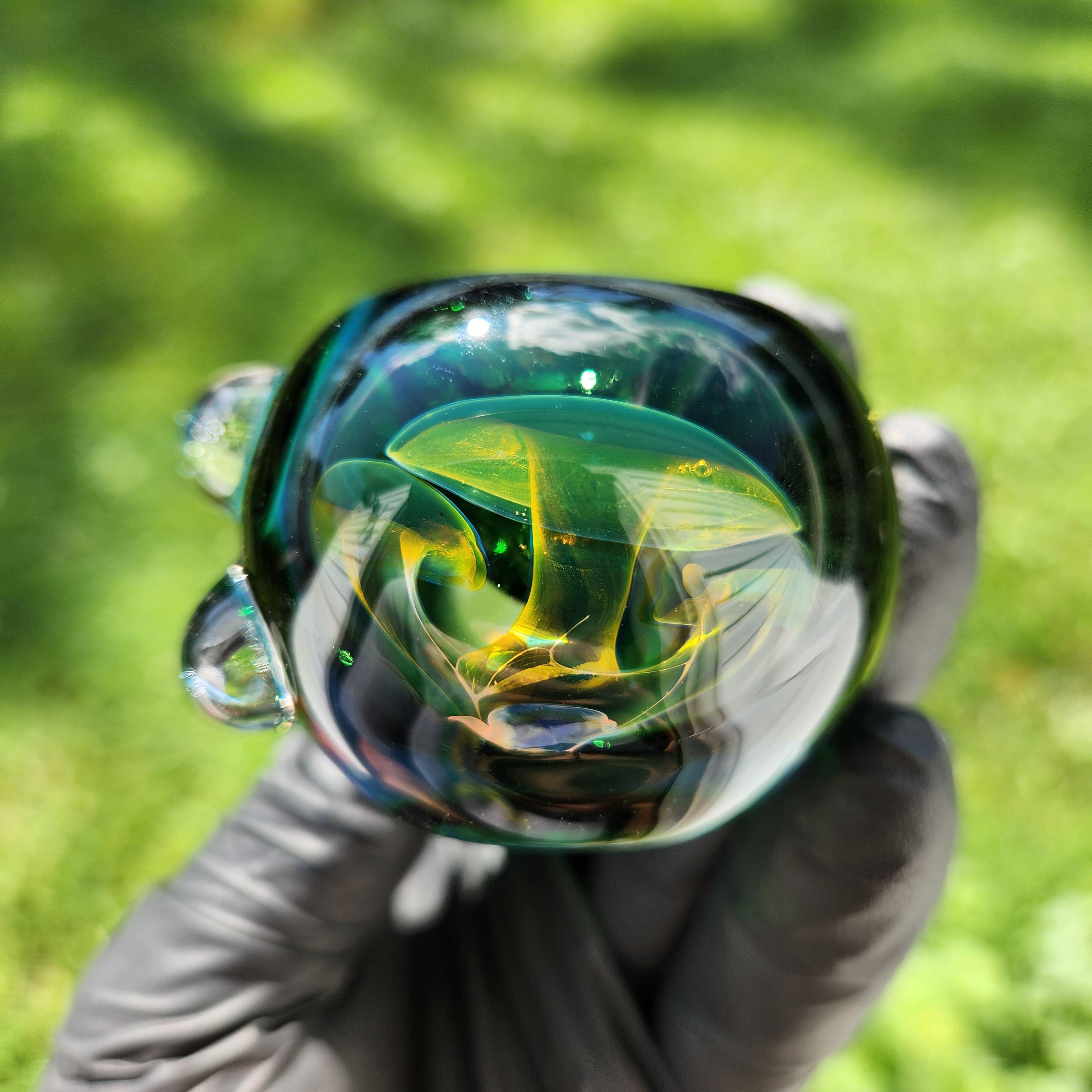
The use of new materials is another emerging trend. Quartz bongs are becoming more common, offering excellent heat resistance and flavor purity. However, they’re typically more expensive than borosilicate glass. Experimentation with different glass colors and textures is also on the rise, catering to customers who value aesthetics.
Regulatory changes could significantly impact the market. New restrictions on advertising or product labeling could require adjustments to your marketing strategies. Staying informed about these changes is crucial. Consumer preferences are shifting toward more discreet and portable options, driven by changing social norms and increasing legalization.
Staying ahead of the curve requires continuous monitoring of market trends and a willingness to adapt. Attend industry trade shows, network with other retailers, and solicit feedback from your customers. Investing in innovative products and building a strong brand identity will position you for long-term success.
- Ash Catchers: Reduce mess and improve cleanliness.
- Integrated Cooling: Enhance cooling and filtration.
- Quartz pieces: These are becoming more common for users who want better flavor and higher heat tolerance than standard glass.
- Innovative Designs: Cater to customers valuing aesthetics.
No comments yet. Be the first to share your thoughts!