
Wholesale glass pipes budget
Setting the right budget for wholesale glass pipes requires balancing unit cost with perceived value. Retailers who stock the lowest-priced items often face higher return rates due to breakage or customer dissatisfaction with thin glass. Conversely, premium hand-blown pieces command higher margins but require deeper inventory commitment. The sweet spot lies in curating a mix of reliable mid-tier work and a few statement pieces that drive foot traffic.
Understanding price tiers
Wholesale pricing for glass pipes typically falls into three distinct bands. Entry-level pieces, often machine-made or simple hand-blows, range from $5 to $15 per unit. These items serve as impulse buys or starter gifts for new customers. Mid-range pipes, priced between $20 and $40, usually feature better glass thickness, cleaner joints, and more refined percolation. This is the volume driver for most smoke shops. Premium hand-blown art pieces, costing $50 to $100+, are sold for their aesthetic value and craftsmanship. They attract collectors and experienced users who prioritize quality over convenience.
Quality choices that change the plan
When sourcing wholesale, inspect the glass thickness and joint integrity. Thin glass is cheaper to produce but breaks easily during shipping or use, leading to negative reviews. Look for suppliers who offer secure packaging and clear quality control standards. Also, consider the age of the inventory. Older stock may have subtle imperfections or outdated designs that don’t appeal to current buyers. Fresh, recent production ensures your shelves reflect modern trends and customer expectations.
Managing inventory risk
Glass is fragile, so factor in breakage costs when calculating margins. Order in bulk only for proven sellers. For new or experimental designs, start with smaller quantities. This approach minimizes waste and allows you to test market response without overcommitting capital. Building relationships with multiple wholesalers can also provide flexibility, letting you shift stock based on seasonal demand or regional preferences.
Shortlist real options
Use this section to make the Top Trends in Wholesale Glass Pipes decision easier to compare in real life, not just on paper. Start with the reader's actual constraint, then separate must-have requirements from details that are merely nice to have. A practical choice should survive normal use, maintenance, timing, and budget. If a recommendation only works in an ideal situation, call that out plainly and give the reader a fallback path.
| Factor | What to check | Why it matters |
|---|---|---|
| Fit | Match the option to the primary use case. | A good deal still fails if it does not fit the job. |
| Condition | Verify age, wear, and service history. | Hidden condition issues erase upfront savings. |
| Cost | Compare purchase price with likely upkeep. | The cheapest option is not always the lowest-cost option. |
Inspect the expensive parts
Before committing to a wholesale order, you need to know where the money goes. In wholesale glass pipes, the cost isn't just in the silica; it's in the labor-intensive joints and the thin-walled borosilicate that retailers often reject for being fragile. A single bad batch can erase your margin on the entire shipment. Focus your inspection on the areas most likely to fail during shipping or use.
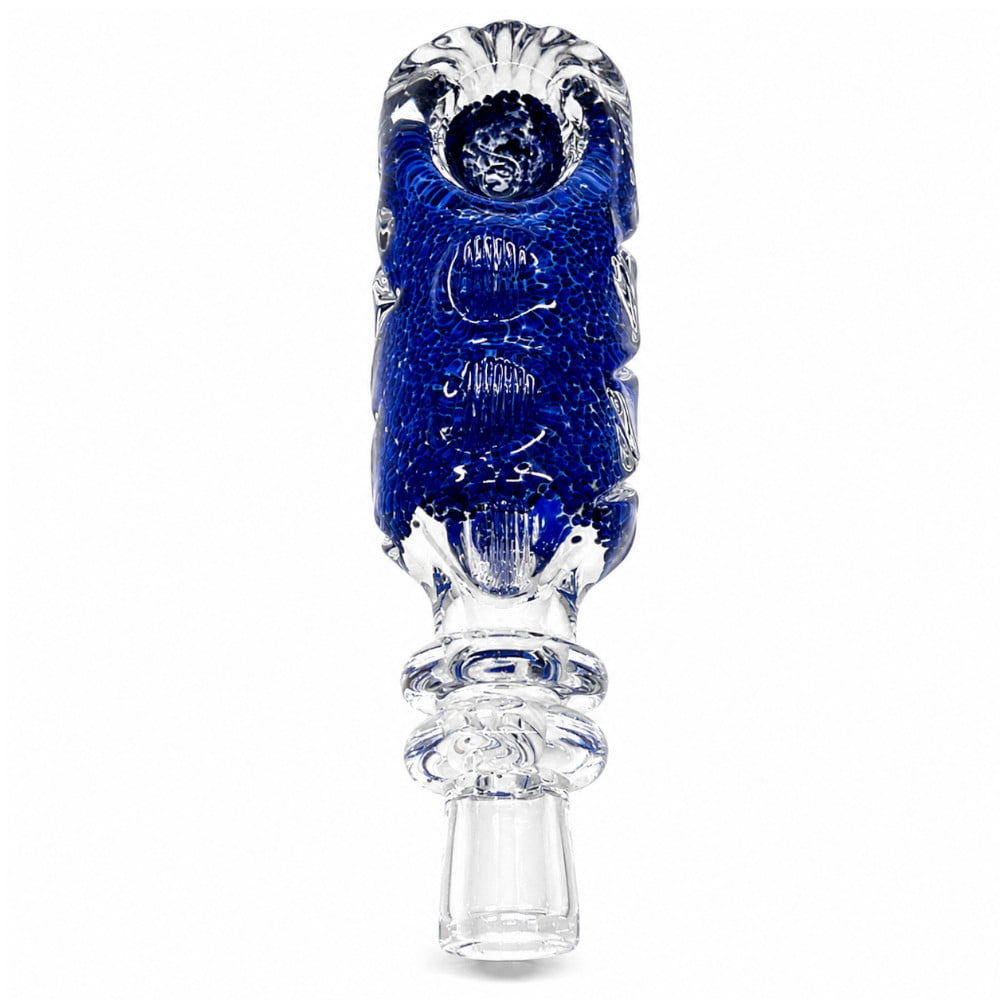
The male and female joints are the weak points. Look for "stress rings"—tiny, cloudy lines near the base of the joint. These indicate uneven cooling during the final stages of glassblowing. Stress rings mean the glass is under tension and will likely crack the first time a customer heats it. Tap the joint gently; a dull thud is good, a sharp ring means it's too thin or stressed.
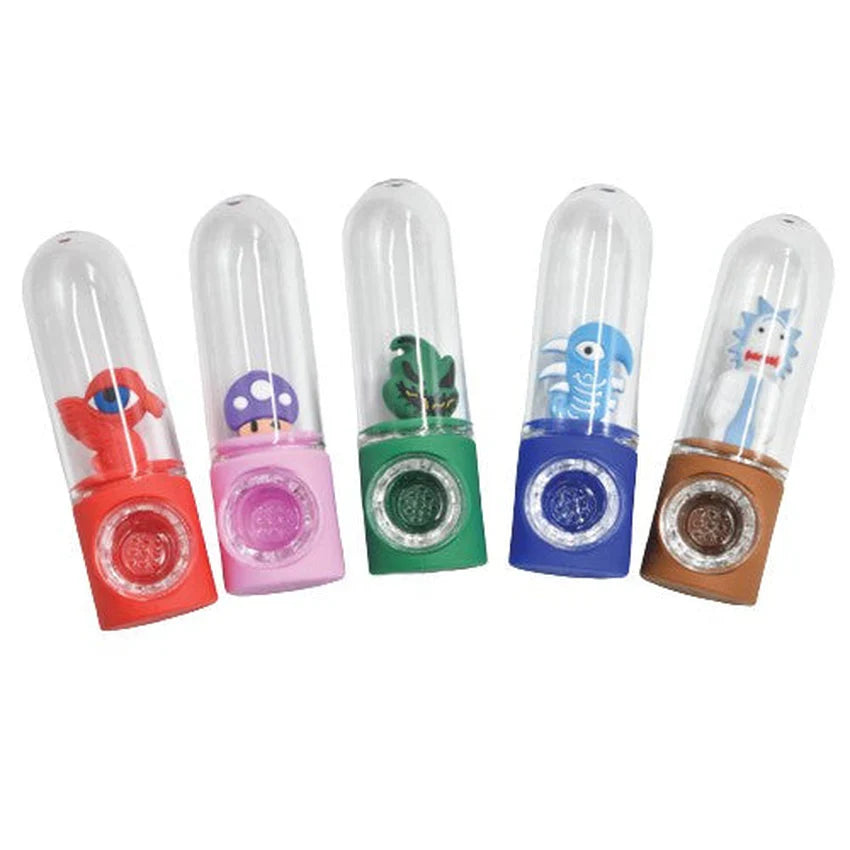
Cheap wholesale pipes often use unevenly blown glass to save material. Hold the pipe up to a light source. The light should pass through evenly. If you see dark spots or uneven shadows, the walls are too thin in places. Thin walls break easily and don't retain heat well, leading to poor customer satisfaction and higher return rates.
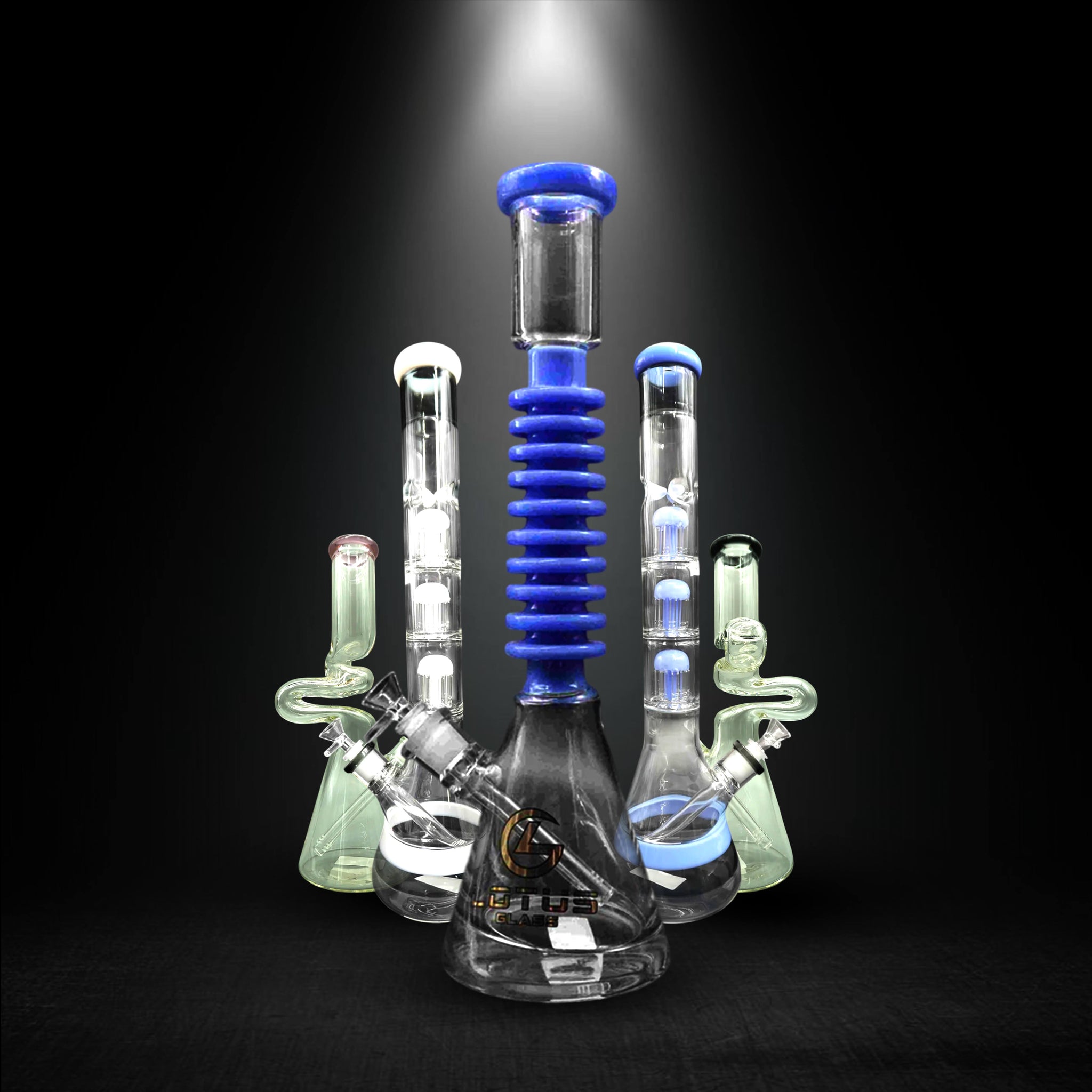
If you are stocking water pipes or complex rigs, the internal components are the biggest risk. Check that diffusers and ice pinchers are firmly fused to the main body. Gently shake the piece; if you hear rattling, the internal parts are loose. Loose percolators fall off during shipping, rendering the pipe useless before it ever reaches a shelf.

While small air bubbles can be part of the artisanal aesthetic, large bubbles or "seeds" (tiny, sharp glass inclusions) are structural flaws. Run your finger along the smoking path. Any roughness or sharp edges will cause burns or irritation for the user. Retailers should reject any piece with visible surface irregularities that could compromise the user experience.
By focusing on these specific failure points, you protect your bottom line. It is better to reject a box of pipes at the warehouse than to deal with customer complaints and returns later. Always request a sample batch before placing a large order to verify the quality control of the manufacturer.
Plan for ownership costs
Wholesale glass pipes often look like a bargain at the checkout, but the real test is what happens after the first shipment arrives. Cheap borosilicate glass can feel fragile, and without proper handling, that low upfront price turns into a high return rate. Retailers need to look past the unit cost and calculate the total cost of ownership, which includes breakage, cleaning supplies, and the time staff spends dealing with defective inventory.
The hidden cost of breakage
Shipping glass is expensive, and budget manufacturers often cut corners on packaging to keep their wholesale prices down. A pipe that arrives with a hairline fracture or a cracked bowl may not be immediately obvious until a customer tries to use it. These "dead on arrival" units create a double loss: you refund the customer and eat the cost of the product. Investing in suppliers who use reinforced packaging or offer breakage guarantees protects your margin more than a few cents per unit ever will.
Cleaning and maintenance surprises
Not all glass is created equal when it comes to resin buildup. Lower-quality glass often has uneven interiors or rough textures that trap residue, making it difficult for customers to clean. This leads to higher complaint rates and returns. Some wholesale lots include cleaning brushes or solutions, but many do not. If your inventory requires frequent returns due to cleanliness issues, the profit from the initial sale evaporates quickly.
When cheap stops being cheap
A $2 pipe that costs $5 to replace, ship back, and restock is far more expensive than a $10 pipe that lasts. Evaluate your suppliers based on durability and consistency rather than just the lowest bid. A slight increase in wholesale cost often translates to fewer headaches, happier customers, and a more stable inventory flow.
No comments yet. Be the first to share your thoughts!