
Water pipe margins in 2026
Bongs and bubblers are moving faster than hand pipes right now. It isn't just a phase; people want smoother hits and are willing to pay for the hardware to get them. If you're still heavy on spoons and chillums, you're missing out on the higher margins that come with larger water pieces.
Material composition is also playing a role. Borosilicate glass remains the standard for quality, but silicone and acrylic options are gaining traction, particularly in the lower price brackets. These materials offer increased durability, which appeals to a broader range of consumers, and are often easier to ship without breakage. Regulatory factors also influence the market, with stricter packaging requirements and potential restrictions on certain materials impacting wholesale costs.
Looking ahead to 2026, I anticipate this trend will continue. The increased acceptance of cannabis and related accessories, coupled with a growing emphasis on user experience, will drive further demand for water pipes. Retailers who proactively adjust their inventory and marketing strategies will be best equipped to succeed in this evolving landscape. Understanding the margin potential of these products is the first step.
Initial Investment: Glass vs. Water Pipe Costs
The initial investment for stocking wholesale water pipes is generally higher than that of traditional glass pipes. Basic hand pipes can be sourced for as little as $2-$5 per piece in bulk from suppliers like mjwholesale.com, while a comparable quality water pipe typically starts around $8-$12. Mid-range hand pipes range from $8-$15, whereas mid-range water pipes—think smaller bubblers or basic beakers—fall in the $20-$40 range.
Premium glass presents a larger disparity. A high-end hand pipe, featuring intricate designs or unique materials, might cost $30-$60 wholesale. However, a premium water pipe – a large beaker, percolator bong, or artistic piece – can easily exceed $80, reaching upwards of $150 or more. SPS Wholesale currently lists a variety of water pipes ranging from $15 to over $100 depending on size, complexity, and glass thickness.
Don't forget the hidden costs of accessories. Water pipes need downstems, bowls, and specific cleaning solutions that hand pipes don't. Budget an extra $5 to $10 per unit for these. MJ Wholesale sells starter packs that bundle these together, which is usually cheaper than buying them piece-by-piece.
Here’s a simplified cost comparison:
- Basic hand pipe: $2 - $5
- Basic Water Pipe: $8 - $12
- Mid-Range Hand Pipe: $8 - $15
- Mid-Range Water Pipe: $20 - $40
- Premium Hand Pipe: $30 - $60
- Premium Water Pipe: $80 - $150+
Initial Inventory Investment Comparison: Traditional Hand Pipes vs. Water Pipes (2026 Estimates)
| Product Category | Price Per Unit (USD) | Typical Initial Order Quantity | Total Initial Investment (USD) | Storage Space Requirements |
|---|---|---|---|---|
| Basic Hand Pipe (Small) | 5 - 15 | 100 - 200 | 500 - 3000 | Low - Minimal shelf space required. |
| Mid-Range Hand Pipe (Standard) | 15 - 30 | 50 - 100 | 750 - 3000 | Medium - Requires moderate shelf space. |
| Premium Hand Pipe (Borosilicate/Artisan) | 30 - 75+ | 25 - 50 | 750 - 3750+ | Medium - Requires moderate shelf space, potentially display cases. |
| Basic Water Pipe (Small Beaker/Bubbler) | 20 - 50 | 25 - 50 | 500 - 2500 | Medium - Requires more space due to size and fragility. |
| Mid-Range Water Pipe (Standard Beaker/Bubbler) | 50 - 150 | 10 - 25 | 500 - 3750 | High - Significant space needed; secure shelving essential. |
| Premium Water Pipe (Complex Perc/Art Glass) | 150 - 500+ | 5 - 15 | 750 - 7500+ | High - Requires substantial space, secure display, and careful handling. |
| Mini Water Pipe/Bubbler | 30 - 80 | 25 - 50 | 750 - 4000 | Medium - Requires more space than hand pipes, less than larger water pipes. |
Illustrative comparison based on the article research brief. Verify current pricing, limits, and product details in the official docs before relying on it.
Sales Velocity & Turnover Rates
The potential return on investment hinges heavily on sales velocity. While precise, universally applicable turnover rates are difficult to pinpoint, anecdotal evidence and preliminary data suggest water pipes generally move faster than traditional hand pipes. This is largely due to the higher price point and the perceived value proposition – a water pipe is often seen as a more substantial and sophisticated purchase.
I estimate a typical hand pipe might have a turnover rate of 60-90 days in a well-managed retail environment. However, a comparable water pipe, especially a popular model, could turn over in 30-60 days. This faster turnover frees up capital and allows retailers to reinvest in inventory more quickly. This is, of course, dependent on factors like location, target demographic, and marketing efforts.
Seasonal fluctuations also play a role. Sales typically increase during the spring and summer months, coinciding with outdoor events and festivals. Regional differences are also significant; areas with more permissive cannabis laws tend to have higher demand for both types of pipes. However, the increase is usually more pronounced for water pipes in these markets.
A critical consideration is breakage. Glass is inherently fragile, and both hand pipes and water pipes are susceptible to damage during shipping, handling, and customer use. Water pipes, with their larger size and more delicate components, are arguably more prone to breakage. Retailers need to factor in an estimated breakage rate – typically 5-10% – when calculating ROI and managing inventory. This necessitates careful packaging and potentially offering breakage replacement policies.
Average Transaction Value: Upselling Opportunities
Water pipes naturally create more opportunities for upselling and increasing the average transaction value. A customer purchasing a water pipe is more likely to also purchase accessories like bowls, downstems, cleaning kits, grinders, and even rolling papers. This contrasts with a hand pipe purchase, where the add-on sales are often limited to screens and lighters.
In my experience, a customer buying a bong spends 25% to 40% more than someone grabbing a hand pipe. They aren't just buying the glass; they're grabbing grinders, specialized cleaners, and replacement bowls at the same time.
Retailers can further capitalize on this by creating curated bundles. For example, offering a “Water Pipe Starter Kit” that includes a water pipe, a bowl, a downstem, a cleaning brush, and a grinder can incentivize larger purchases and streamline the shopping experience. Offering discounts on bundled items can also be an effective strategy.
- Bowls
- Downstems
- Cleaning Kits
- Grinders
- Rolling Papers
- Carb Caps (for concentrate use)
Essential Water Pipe Accessory Bundles for Retail Success in 2026

Includes 12 nylon brushes of varying diameters and a 35-inch flexible double-ended hose tool. · Features a 17-inch long handle for extended reach. · Designed for cleaning glass funnels, bottles, and other narrow openings.
This comprehensive cleaning kit ensures the longevity and optimal performance of glass water pipes, a crucial factor for customer satisfaction and repeat business.

Set of 4 glass bowls, each with a 0.6-inch diameter. · Includes 1/2 inch sieve filters for efficient filtration. · Comes with a convenient acrylic storage box.
These high-quality glass bowls offer a direct upgrade path for customers, enhancing their water pipe experience and providing a profitable accessory for retailers.

Premium black storage box with integrated grinders, tray, and UV jar. · Features a built-in lock and keys for secure storage. · Designed as a decorative rack for organizing accessories.
This premium storage solution appeals to customers seeking organized and discreet storage, adding perceived value and encouraging add-on sales.

Durable 11in x 8in x 5in waterproof hard case. · Customizable pluck foam interior for secure item protection. · Suitable for test instruments, compact cameras, and tools.
This robust protective case is ideal for safeguarding delicate water pipe components during transport or storage, offering a premium accessory that addresses customer concerns about breakage.
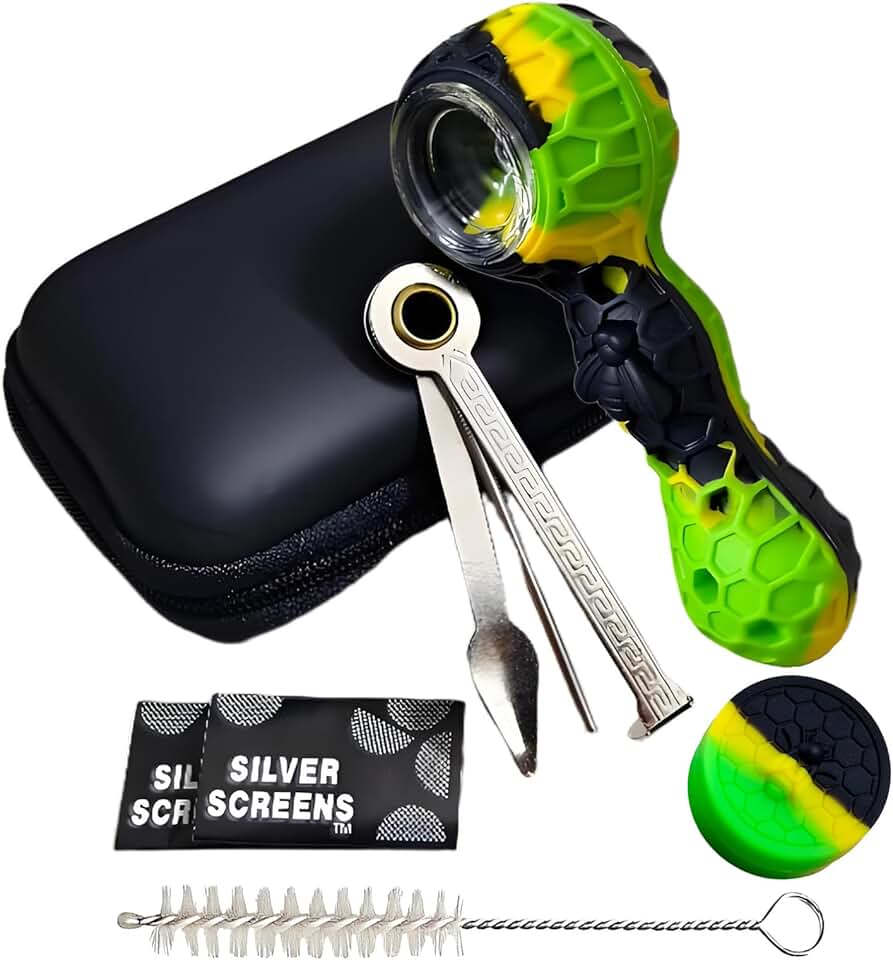
Complete portable tobacco pipe starter kit. · Includes essential accessories like a cleaner, tamper tool, and storage bag. · Designed as a collectible and beginner-friendly option.
This starter kit provides a complete, curated experience for new users or collectors, presenting an attractive bundle that complements water pipe purchases and drives incremental revenue.
As an Amazon Associate I earn from qualifying purchases. Prices may vary.
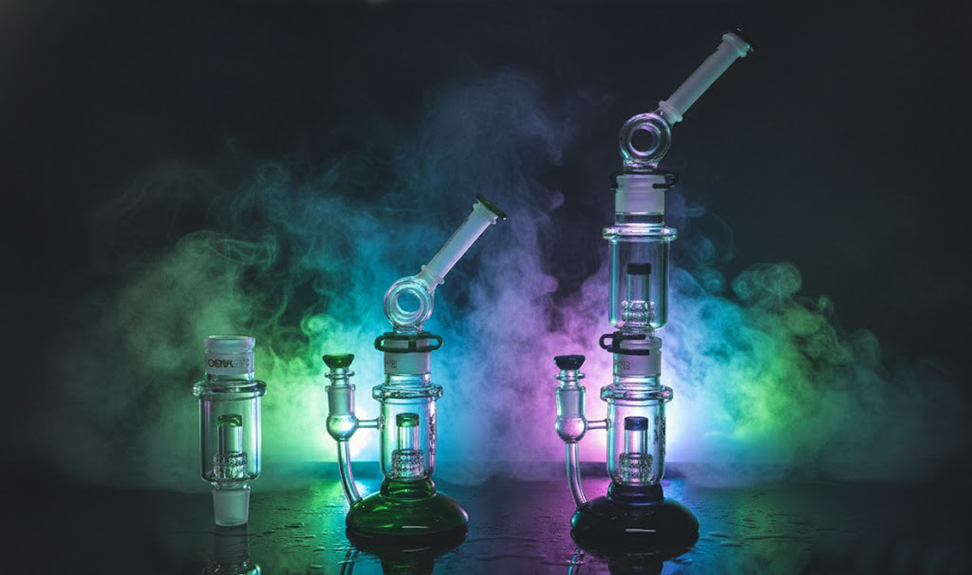
Displaying glass to move inventory
Marketing strategies should be tailored to the distinct appeal of water pipes. While both product categories benefit from social media marketing, water pipes often resonate with audiences interested in artistry, functionality, and the overall smoking experience. Visually appealing displays are crucial. Showcase the aesthetic qualities of glassblowing and the intricate designs of water pipes.
High-quality photography and videography are essential for online marketing. Highlight the features and benefits of different water pipe models, such as percolation systems and unique designs. Targeted advertising on platforms like Instagram and Facebook can reach specific demographics interested in cannabis accessories. Hara Brands’ catalog is a good example of showcasing the aesthetic appeal of glass pieces.
In-store displays should be well-lit and organized, allowing customers to easily compare different models. Consider creating themed displays, such as a “Beginner’s Guide to Water Pipes” or a “Premium Glass Collection”. Educating customers about the benefits of water filtration and the different types of water pipes can also drive sales.
Breakage & Replacement: Accounting for Loss
Breakage is an unavoidable reality in the wholesale glass market. As previously mentioned, a breakage rate of 5-10% is a reasonable estimate, but it can vary depending on shipping methods, packaging quality, and handling practices. Water pipes, due to their size and complexity, are generally more susceptible to damage than hand pipes.
Calculating the cost of breakage requires careful tracking of returns and refunds. Factor in not only the cost of the damaged product but also the shipping costs associated with replacements. Negotiating favorable shipping insurance rates with carriers can help mitigate these losses.
Implementing robust packaging procedures is essential. Using ample padding, sturdy boxes, and clear “Fragile” labels can significantly reduce the risk of damage during transit. Consider offering customers the option to purchase insurance on their purchases, providing them with peace of mind and shifting some of the risk.


No comments yet. Be the first to share your thoughts!