
The shift to eco-friendly glass
Across nearly every consumer product category, we’re seeing a significant increase in demand for sustainable options. This isn’t a fleeting trend; it's a fundamental shift in how people think about their purchases. Consumers are more aware of the environmental and social impact of the products they buy, and they’re actively seeking out brands that align with their values. This holds true, and is increasingly impacting, the wholesale glass smoking accessories market.
For a long time, the headshop industry carried a certain image – one not necessarily associated with environmental consciousness. This perception is changing, and quickly. Retailers are realizing that offering eco-friendly wholesale glass pipes and other accessories isn’t just good for the planet, it’s good for business. Customers are willing to pay a premium for products they believe are ethically and sustainably produced.
This shift is driving wholesale purchasing decisions. Retailers are actively seeking suppliers who can demonstrate a commitment to sustainability. They’re asking questions about manufacturing processes, material sourcing, and waste management. The demand for transparency is high, and suppliers who can provide clear, verifiable information are gaining a competitive advantage. It’s becoming less about simply having the lowest price and more about offering value – value that includes environmental responsibility.
Problems with traditional glass manufacturing
Traditional glass manufacturing is an energy-intensive process. The core of it, melting silica sand to achieve a molten state, requires extremely high temperatures – typically around 1500°C (2732°F). According to the Glass Packaging Institute, approximately 2.2 million BTU’s are required to melt one ton of glass. That’s a substantial energy demand, and often, that energy comes from fossil fuels.
The primary raw materials for glass – soda ash (sodium carbonate) and limestone (calcium carbonate) – are mined from the earth. While these materials are abundant, the mining process can have significant environmental impacts, including habitat destruction and water pollution. The geographic origins of these materials also contribute to the carbon footprint, as they often need to be transported long distances. A significant portion of soda ash production is concentrated in the United States, Turkey, and China.
Waste generation is another major concern. Broken or discarded glass, known as cullet, can be recycled, but the process isn't always straightforward. Colorants and contaminants can make it difficult to produce high-quality recycled glass. A lot of cullet ends up in landfills. Moreover, the glassblowing process itself generates waste – scraps, flawed pieces, and broken items. Effective cullet management is a challenge for many facilities, and its successful implementation is crucial for reducing the environmental impact of glass production.
The industry also grapples with the energy demands of coloring glass. Certain metal oxides used to create vibrant hues require additional energy during the melting process, further increasing the overall environmental cost. This is a point often overlooked when discussing the sustainability of glass products.
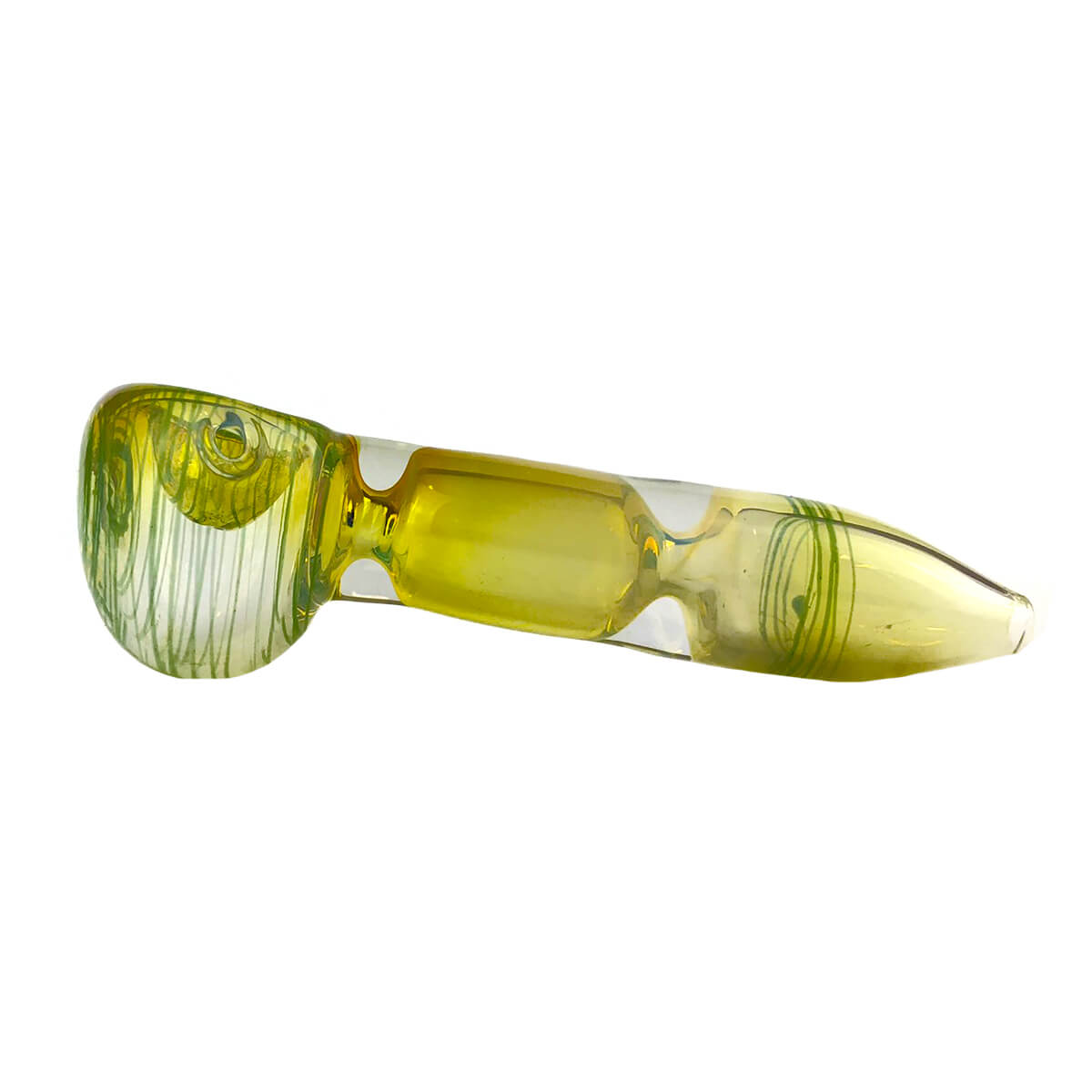
Whether you’re a smoke shop, dispensary, or online retailer looking for bulk smoking accessories, this hand pipe is a must-have. Stock up today and offer your customers one of the best cannabis accessories in California at unbeatable wholesale prices. pic.twitter.com/Lcio16XOoF
— Getglassdistribution (@smit2254) April 17, 2025
Sustainable manufacturing methods
Using recycled glass, or cullet, is arguably the most straightforward way to improve the sustainability of glass manufacturing. Cullet melts at a lower temperature than raw materials, reducing energy consumption and greenhouse gas emissions. However, there are limits to how much cullet can be incorporated without compromising glass quality. Typically, manufacturers can use up to 90% cullet when making new glass, but maintaining consistent quality can be difficult at higher percentages. Sourcing a consistent supply of clean, sorted cullet is also a challenge.
Transitioning to alternative energy sources for furnaces is another key strategy. Electric furnaces powered by renewable energy sources – solar, wind, or hydro – offer a significant reduction in carbon emissions. Natural gas furnaces equipped with carbon capture technology can also reduce emissions, although this technology is still relatively expensive and not widely adopted. The feasibility of these options depends on local energy infrastructure and costs.
Water usage is also a concern in glass manufacturing, particularly in the cooling process. Some facilities are implementing water recycling systems to reduce their water footprint. Waste reduction strategies within glassblowing facilities include optimizing cutting patterns to minimize scrap, repairing minor flaws instead of discarding pieces, and finding creative uses for broken glass. Some artists are even incorporating broken glass into new designs.
Bio-based glass alternatives are an area of ongoing research, but currently, they remain largely experimental. While promising, scaling up production and achieving comparable durability and aesthetic qualities to traditional glass are significant hurdles. The cost of these materials is also a factor. I'm not sure about the timeline for widespread adoption of bio-based glass, but it's a space to watch.
Material innovations
Researchers are exploring alternative glass compositions that require lower melting temperatures, thereby reducing energy consumption. One area of interest is modifying the composition of soda-lime glass, the most common type of glass, to make it more easily recyclable. Another approach involves incorporating additives that lower the melting point without significantly affecting the glass's properties.
The use of plant-based binders or additives is also being investigated. These materials could potentially replace some of the non-renewable components of glass, reducing its environmental impact. However, it’s important to consider the durability and long-term stability of these materials. Will they maintain the same strength and resistance to breakage as traditional glass?
There’s a trade-off between sustainability, cost, and performance. For example, a glass composition that requires a lower melting temperature might be more expensive to produce or less durable than borosilicate glass. Retailers need to carefully consider these factors when evaluating different materials. The aesthetic qualities of the glass are also important – consumers expect a certain level of clarity and visual appeal.
Supply chain transparency and certification
Traceability is crucial for verifying the sustainability claims of glass suppliers. Retailers should ask detailed questions about the origin of the raw materials, the energy sources used in manufacturing, and the waste management practices in place. A transparent supply chain allows retailers to make informed purchasing decisions and demonstrate their commitment to sustainability to their customers.
Currently, there aren’t any widely recognized certification programs specifically for sustainable glass manufacturing. However, retailers can look for suppliers who have obtained certifications related to environmental management systems, such as ISO 14001. These certifications demonstrate a commitment to continuous improvement in environmental performance. Some suppliers may also participate in industry-specific sustainability initiatives.
Key questions to ask wholesale suppliers include: What percentage of recycled glass (cullet) is used in their products? What is the energy source for their furnaces? Do they have a waste management program? Can they provide documentation to support their sustainability claims? Are their suppliers adhering to ethical labor practices? It's about due diligence and building relationships with suppliers who share your values.
Cost analysis of sustainable glass
The perception that sustainable products are always more expensive is often inaccurate. While some sustainable glass manufacturing processes may have higher upfront costs, they can lead to long-term savings through increased energy efficiency and reduced waste. For example, using cullet reduces the amount of raw materials needed, lowering material costs.
Government incentives, such as tax credits or grants, can also help offset the cost of investing in sustainable manufacturing technologies. These incentives vary by location, so it’s important to research what’s available in your area. Furthermore, reducing waste can lead to significant cost savings in the long run.
Beyond the direct cost savings, there’s the potential for brand benefits and increased customer loyalty. Consumers are increasingly willing to pay a premium for sustainable products, and a strong commitment to sustainability can enhance a retailer’s brand image. This can translate into increased sales and customer retention. Considering the full lifecycle cost – including environmental and social impacts – can reveal that sustainable glass is a smart business decision.
Retailer Perspectives: Early Adopters Speak
Several headshops are already seeing success with offering sustainable glass accessories. "The response has been overwhelmingly positive,’ says Sarah Miller, owner of The Green Leaf in Portland, Oregon. ‘Our customers are really excited about supporting brands that are committed to environmental responsibility. We’ve seen a noticeable increase in sales of our eco-friendly products."
Another retailer, Mark Johnson of Smoke & Mirrors in Denver, Colorado, notes that incorporating sustainable glass has helped him attract a new demographic of customers. "We’re reaching a younger, more environmentally conscious audience,’ he explains. ‘They’re looking for products that align with their values, and we’re happy to provide them." He also mentions the positive impact on his store's reputation within the local community.
Content is being updated. Check back soon.
Looking Ahead: 2026 and Beyond
The demand for sustainable glass manufacturing will only continue to grow in the coming years. We can expect to see further innovations in glass compositions and manufacturing processes, with a focus on reducing energy consumption and waste generation. The development of more robust and affordable bio-based glass alternatives is also a possibility.
Government regulations and industry standards may play a larger role in promoting sustainability. We could see the introduction of labeling requirements for glass products, similar to those already in place for other materials. Increased transparency in the supply chain will become the norm, and retailers will demand more verifiable sustainability data from their suppliers. The future of wholesale glass pipes and bulk smoking accessories is undoubtedly green.


No comments yet. Be the first to share your thoughts!