
Define your target customer
Before contacting wholesale glass pipe suppliers, you must determine whether your retail floor is optimized for high-volume budget units or low-volume premium artisanal pieces. This distinction dictates your entire sourcing strategy, from glass thickness and joint tolerances to minimum order quantities (MOQs) and shelf placement. Misidentifying your customer base leads to either stagnant inventory of cheap, breakable budget items or insufficient stock of high-margin, complex pieces that require careful handling.
Budget-focused retailers typically serve price-sensitive customers looking for disposable or temporary smoking solutions. These customers prioritize immediate gratification and low upfront cost over longevity. In this segment, you will source mass-produced, machine-blown glass pipes with standard 14mm or 18mm joints. The supply chain for these items is highly efficient, allowing for bulk purchases with minimal price per unit. However, profit margins are thin, and the product relies on volume sales and frequent restocking to maintain revenue.
Conversely, premium retailers cater to collectors and enthusiasts who value craftsmanship, unique designs, and specific material properties. These customers seek hand-blown pieces, intricate color work, or specialized functional designs. Sourcing in this segment requires building relationships with artisans or specialized distributors who offer smaller batch sizes. The supply chain is less predictable, and MOQs are higher relative to the unit price. Your sourcing decisions here should focus on quality assurance, such as verifying glass purity and joint precision, rather than pure cost reduction.
To align your sourcing with your customer profile, audit your current sales data. Identify which price points and styles generate the most repeat purchases. If your customers frequently return to replace broken budget pipes, consider upgrading to mid-range, thicker glass options that offer better durability without a significant price jump. If your premium section moves slowly, evaluate whether your marketing effectively communicates the value of the craftsmanship. Your sourcing strategy should reflect the actual purchasing behavior of your shoppers, not just your personal aesthetic preferences.
Evaluate glass quality and materials
Wholesale glass pipes fall into two main categories: soda-lime and borosilicate. Understanding the technical differences between these materials is essential for selecting inventory that meets safety standards and customer expectations.
Soda-lime glass: cost-effective but fragile
Soda-lime glass is the most common type of glass used in manufacturing. It is inexpensive to produce and easy to shape, making it attractive for budget-friendly wholesale lots. However, it has a low resistance to thermal shock. When exposed to rapid temperature changes, such as direct flame contact, soda-lime glass can crack or shatter unexpectedly. This fragility leads to higher breakage rates during shipping and a higher return rate for retailers.
Borosilicate glass: durable and heat-resistant
Borosilicate glass, often referred to by brand names like Pyrex, contains boron trioxide. This chemical composition gives the material a very low coefficient of thermal expansion. In practical terms, borosilicate glass can withstand extreme temperature fluctuations without cracking. It is significantly stronger than soda-lime glass and offers a smoother, clearer finish. For retailers, borosilicate pipes represent a higher-quality product that reduces liability and customer complaints.

How to identify borosilicate in wholesale lots
Suppliers may not always label their inventory clearly. To verify the material, ask for the specific chemical composition or thermal shock rating. Borosilicate glass typically has a slightly greenish or bluish tint when viewed from the edge, whereas soda-lime glass is more neutral. Additionally, borosilicate pieces are generally heavier and more rigid. Reputable wholesale suppliers, such as those listed by industry platforms like Roetell, will provide material specifications upon request. Always request samples before committing to a large bulk order to test durability firsthand.
Compare wholesale supplier tiers
Source Wholesale Glass Pipes for Retail works best as a clear sequence: define the constraint, compare the realistic options, test the tradeoff, and choose the path with the fewest hidden costs. That order keeps the advice usable instead of decorative. After each step, pause long enough to check whether the recommendation still fits the reader's actual situation. If it depends on perfect timing, unusual access, or a best-case budget, include a simpler fallback.
| Factor | What to check | Why it matters |
|---|---|---|
| Fit | Match the option to the primary use case. | A good deal still fails if it does not fit the job. |
| Condition | Verify age, wear, and service history. | Hidden condition issues erase upfront savings. |
| Cost | Compare purchase price with likely upkeep. | The cheapest option is not always the lowest-cost option. |
Calculate bulk pricing margins
Wholesale glass pipe pricing requires more than comparing unit costs; it demands a full landed cost analysis. Retail margins depend on the final cost per unit after accounting for shipping, packaging, and potential breakage. A clear framework ensures you maintain healthy margins without pricing yourself out of the market.
Determine landed cost per unit
Start by calculating the total expense for a single unit. Divide the total invoice amount by the number of units received. This base figure includes the wholesale price and any flat shipping fees. For example, if you order 50 pipes for $50 with $10 shipping, your landed cost is $1.20 per unit. This number serves as the foundation for all subsequent margin calculations.
Factor in packaging and breakage
Glass is fragile. Always allocate a percentage of your budget for breakage during transit. Industry standards suggest setting aside 2-5% of inventory for damage. Additionally, include the cost of retail-ready packaging. If you use individual boxes or bubble wrap, add that expense to the landed cost. This ensures your profit calculation reflects the true cost of getting a saleable product into customer hands.
Set retail price and margin
Once you have the total cost per unit, apply your desired margin. A common retail markup for accessories is 2x to 3x the landed cost. If your landed cost is $1.20, a 2x markup results in a $2.40 retail price. Compare this against competitor prices on platforms like eBay or specialty retailers to ensure competitiveness. Adjust your supplier orders or negotiate lower shipping rates if your target margin is not achievable at current market rates.
Monitor and adjust
Pricing is not static. Regularly review your supplier invoices and shipping costs. If shipping rates increase, you may need to adjust retail prices or negotiate bulk shipping discounts. Keep a simple spreadsheet tracking landed costs per order to identify trends. This data helps you make informed decisions about which suppliers offer the best value for your specific retail model.
Order samples before bulk buying
Before committing capital to a large wholesale glass pipes order, evaluate physical samples to verify manufacturing standards. This step protects your inventory from defects that damage retail reputation and ensures the supplier’s logistics meet your delivery expectations.
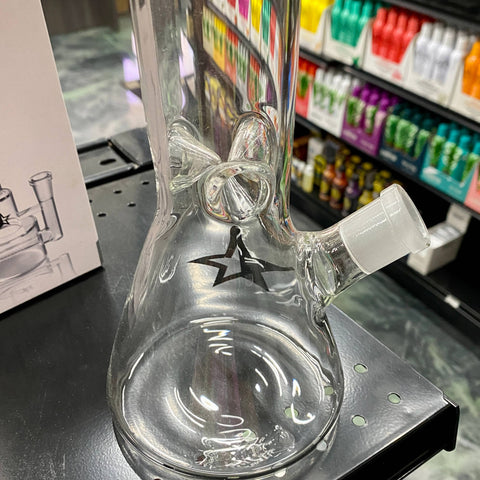
Test the borosilicate glass for uniform thickness and proper annealing. Look for stress points near the bowl or carb that could crack under heat. Verify that ice pinch channels are clear and properly fused, as poor thermal resistance leads to immediate product failure.
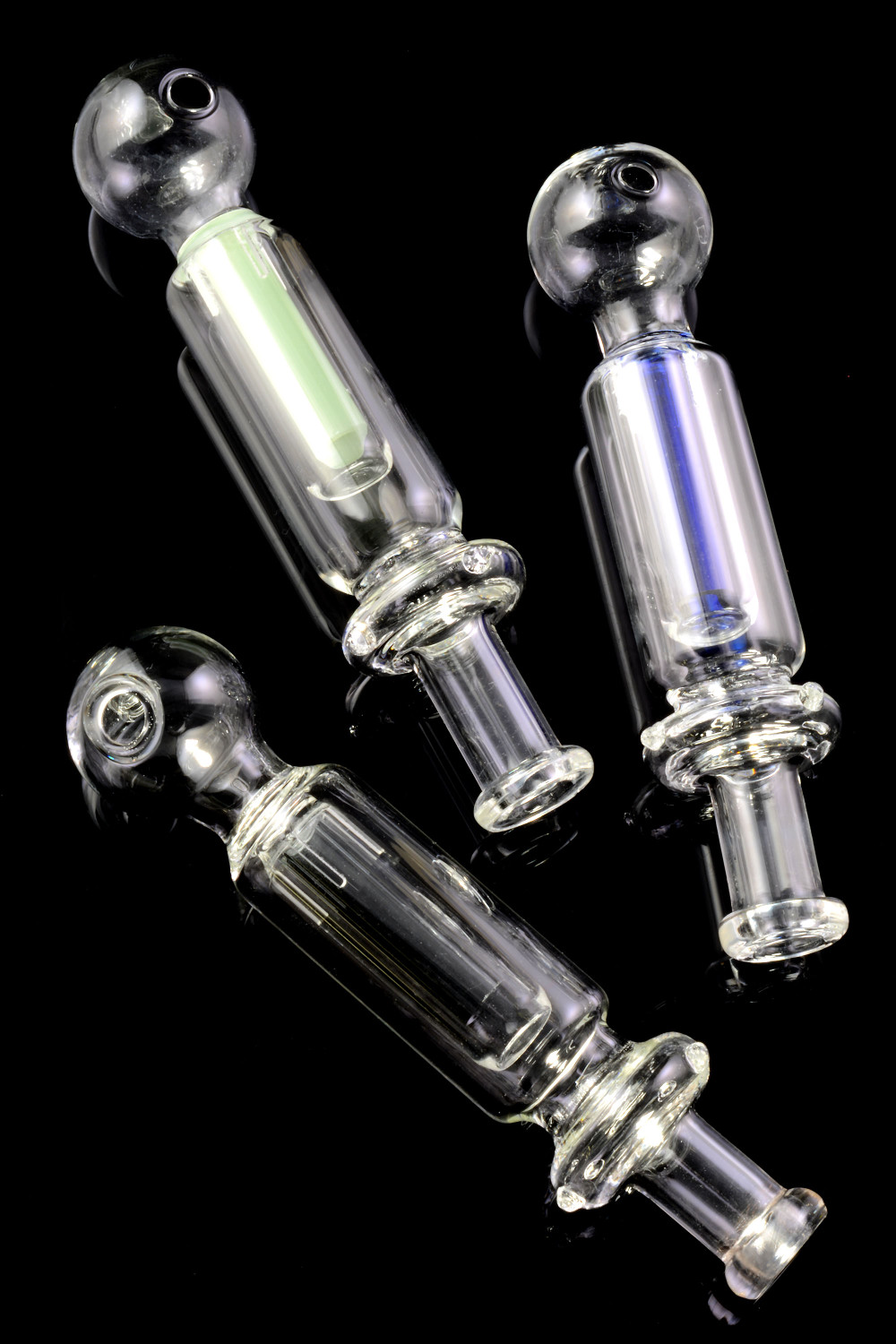
Evaluate how the supplier protects fragile glass during transit. Check for individual dividers, reinforced corners, and shock-absorbing inserts. Poor packaging results in breakage rates that erode margins, so request their standard packing protocol before placing a bulk order.
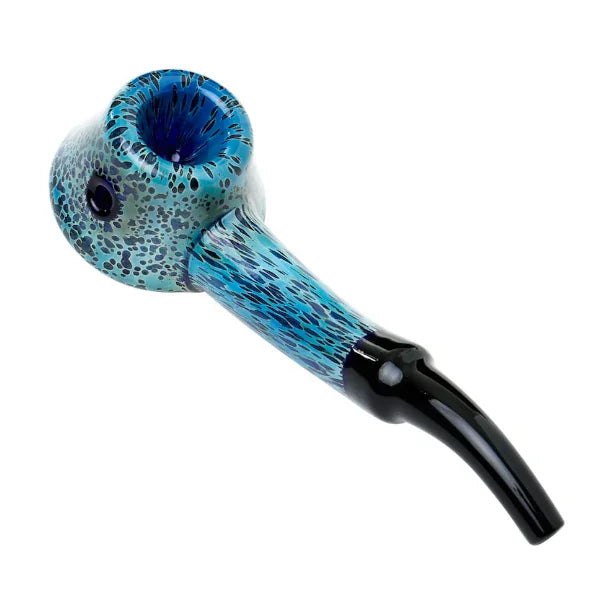
Compare multiple units from the same batch to ensure color consistency and clean finishing. Check for glass bubbles, uneven grinding, or sloppy paint jobs. Retail customers expect uniform quality, so inconsistent samples indicate unreliable production controls.
Requesting samples allows you to validate the supplier’s quality control before scaling up. This due diligence prevents costly returns and ensures your wholesale glass pipes inventory meets retail standards.
Manage inventory turnover
Wholesale glass pipes are fragile, high-volume items that tie up capital quickly. Unlike durable goods, they depreciate through breakage and shifting trends. You need a system that moves stock before it becomes dead weight. The goal is to keep your shelves rotating, not static.
Identify slow-moving items
Glass pipe trends cycle fast. Styles like heavy borosilicate bongs or specific color-changing frit pieces may sell well for a season, then stall. Track your sales velocity weekly. If a SKU hasn’t moved in 60 days, it’s slow-moving. Don’t wait for it to clear on its own.
Discount slow movers immediately. Bundle them with high-demand items like classic spoon pipes or filters. A "buy two, get one half-off" deal clears space and keeps cash flow positive. Do not hold slow inventory hoping for a trend revival; glass storage costs money.
Rotate stock strategically
Use a first-in, first-out (FIFO) system. When new wholesale glass pipes arrive, place them behind existing stock. This ensures older inventory sells first. Breakage rates are higher for glass sitting in deep storage. Rotating stock minimizes damage and keeps your product fresh.
Monitor your bestsellers closely. Classic glass spoon pipes and pocket-friendly hand pipes should always be in stock. If you run out, you lose repeat customers. Set par levels for these items so you reorder before they hit zero.
Pre-order checklist for wholesale glass pipes
Before placing a large wholesale order, verify the following:
-
Check recent sales data for each SKU
-
Confirm breakage rates from previous shipments
-
Verify supplier lead times for restocking
-
Ensure storage space is available for new arrivals
-
Review current trends for color and style preferences
Common Sourcing Mistakes to Avoid
Even experienced retailers encounter friction when scaling their wholesale glass pipe inventory. The following pitfalls disrupt supply chain efficiency and erode margins.
Overlooking Shipping and Insurance Costs
Glass is fragile and heavy. Ignoring freight variables leads to unexpected expenses that vanish your profit margin. Always request landed cost quotes that include insurance and palletizing fees before finalizing an order. Budget for a 10–15% contingency to cover breakage during transit.
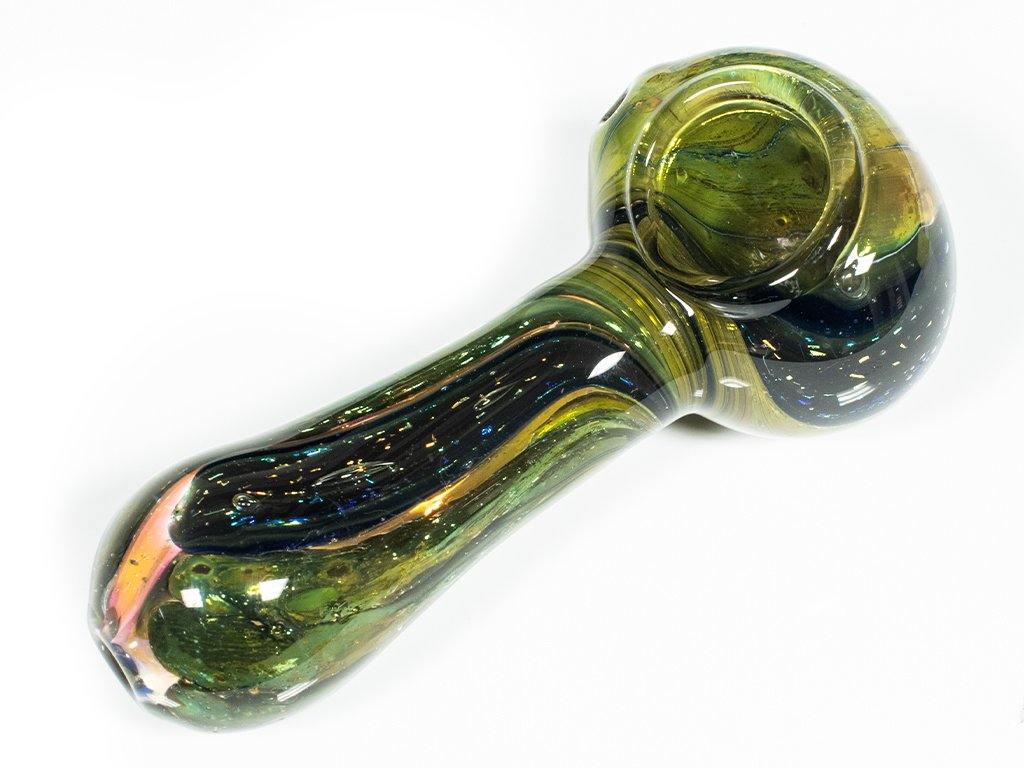
Overstocking Niche Designs
Trends in borosilicate shapes shift quickly. Stocking large quantities of experimental or overly niche designs ties up capital in slow-moving inventory. Prioritize high-velocity items like standard spoons and bangers, keeping niche pieces as limited drops rather than core stock.
Neglecting Supplier Communication
Silence creates gaps in the supply chain. Failing to maintain regular contact with manufacturers can result in missed production windows or quality drift. Establish a consistent check-in schedule to monitor borosilicate quality standards and lead times, ensuring your shelves stay stocked with reliable product.
No comments yet. Be the first to share your thoughts!