Pick the right pipe style first
Wholesale glass pipes are the entry point for most smoke shop customers, but not all styles move at the same speed. Your initial product selection determines your inventory turnover and your baseline margin. High-turnover styles like spoon pipes, chillums, and rigs drive volume, while niche novelty items often sit on shelves for months. To protect your bottom line, prioritize styles that balance broad appeal with manageable breakage risk.
A spoon pipe is the workhorse of any headshop. It is the classic hand pipe, recognized by its bowl and mouthpiece configuration. Because it is universally understood, it appeals to first-time buyers and seasoned smokers alike. Stocking a variety of spoon pipe colors and sizes ensures you capture the highest volume of casual traffic. These items typically have the lowest breakage risk during shipping and display, making them a safe foundation for your wholesale glass pipes order.
Chillums offer a different value proposition. These straight-tube pipes are compact, often unadorned, and highly portable. They appeal to customers seeking simplicity and discretion. Because they use less glass than complex rigs, their wholesale cost is lower, allowing for attractive retail markups. However, their simplicity can make them harder to differentiate from competitors. Use chillums to drive impulse buys at the counter rather than as your primary display item.
Rigs and water pipes cater to a more specialized segment of the market. These pieces require dabbing accessories and a higher level of user knowledge. While they command higher wholesale prices, they also carry a higher risk of breakage and a longer sales cycle. Stock rigs selectively, focusing on durable designs that appeal to hobbyists. Avoid over-investing in fragile, intricate rig styles unless you have a proven local demand for dabbing culture.

Order samples before bulk buying
Before committing capital to a large wholesale order, verify the physical quality of the product. Glass is fragile, and shipping damage or poor craftsmanship can destroy your profit margins. Receiving a sample allows you to inspect thickness, joint integrity, and packaging standards firsthand.
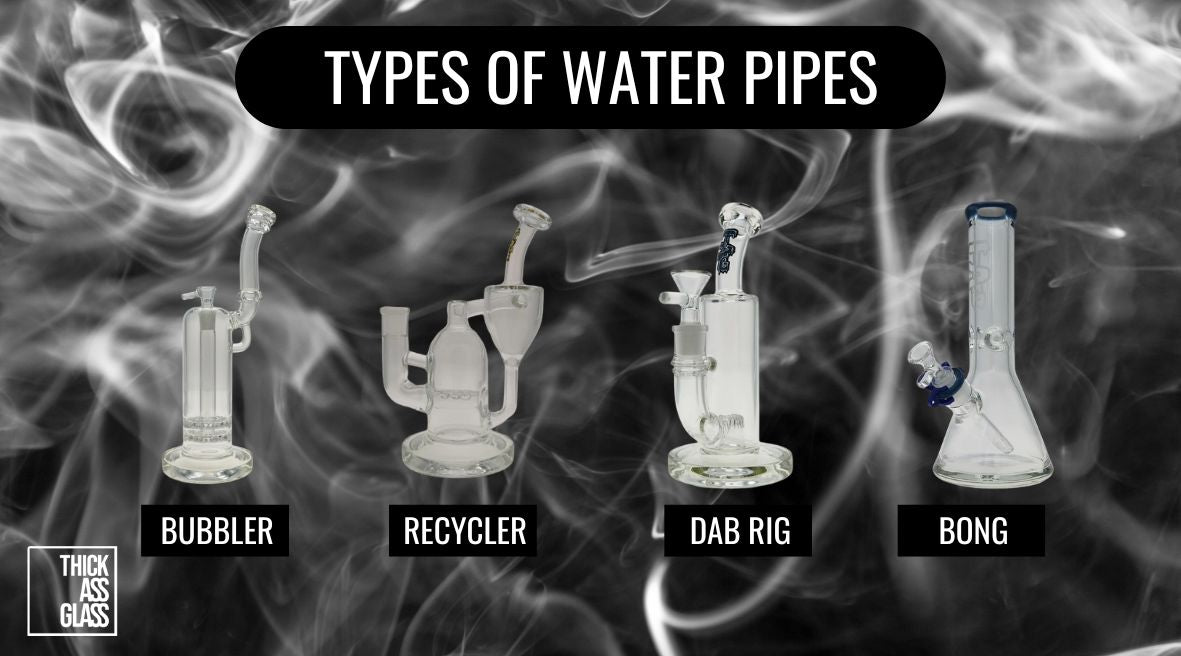
Examine the base thickness and where the stem meets the bowl. Thin walls or weak joints break easily during shipping or customer use. Look for smooth, even seams without sharp edges or visible cracks.
Open the sample package exactly as it arrives from the wholesaler. Check for bubble wrap, foam inserts, or rigid boxes. If the glass arrives cracked, the supplier’s packaging is inadequate for bulk orders.

Inspect the interior for residue or manufacturing dust. High-quality wholesale glass should be clean and ready for retail. Check the finish for chips or uneven grinding, especially on the bowl area.
Skipping this step is a common mistake. Without a sample, you risk holding inventory that customers return or discard. A small upfront investment in samples protects your larger bulk order from costly errors.
Compare supplier minimums and shipping
Wholesale glass pipes are heavy, fragile, and expensive to move. A seemingly low unit cost can vanish quickly if you are forced to buy more inventory than you can sell or if freight eats your margin. To keep your headshop profitable, you need to look at the total landed cost: the wholesale price plus the minimum order quantity (MOQ) requirements and the shipping fees.
Glass breaks. Shipping glass costs money. When you compare suppliers, do not just look at the per-unit price. Look at how much you have to buy at once and how much it costs to get it to your door. A supplier with a low unit price but a high MOQ might leave you with stale inventory and cash flow problems. A supplier with free shipping but a high MOQ might force you to overstock. The goal is to find the balance that keeps your shelves full without tying up all your capital.
The table below compares three common sourcing options. Use this to see how MOQs and shipping terms vary across different types of suppliers. This helps you decide whether to go with a dedicated wholesaler, a bulk marketplace lot, or a specialized glass distributor.
| Supplier Type | MOQ / Min Order | Shipping Terms | Best For |
|---|---|---|---|
| Spoon Pipes Wholesale | $100-$200 | Calculated at checkout | Good for small shops testing new styles |
| eBay Wholesale Lots | Per lot (e.g., 25 units) | Often free or flat rate | High risk of breakage; no bulk discounts |
| AO Wholesale | Varies by product | Varies by weight/zone | Better for established shops with steady demand |
Stock complementary bulk accessories
Bundling high-margin accessories with wholesale glass pipes is one of the most effective ways to increase average order value (AOV). When a retailer stocks cleaning solutions, filters, or lighters alongside their glassware, they create a complete ecosystem for the end consumer. This approach not only boosts immediate sales but also encourages repeat visits, as customers return for consumables.
Focus on items that solve common pain points. Glass pipes require regular maintenance to preserve flavor and function. Offering bulk cleaners and specialized brushes ensures the product lasts longer, reducing warranty claims and increasing customer satisfaction. Similarly, high-quality filters and lighters are low-cost, high-turnover items that pair naturally with any glass pipe purchase.
Checklist of high-margin accessories to bundle with wholesale glass pipe orders:
- Cleaning Solutions: Bulk bottles of isopropyl alcohol and specialized pipe cleaners.
- Consumable Filters: Paper filters, metal screens, and honeycomb discs.
- Lighters: Standard torch lighters and windproof options.
- Maintenance Tools: Replacement bowls, grommets, and ash catchers.
By curating these complementary items, retailers can transform a single pipe sale into a multi-item transaction, strengthening their position in the wholesale market.
Check supplier reputation and reviews
Vetting a wholesale glass pipe supplier is the most effective way to protect your margins from hidden costs. A supplier with inconsistent quality or poor customer service will drain your profitability through returns, damaged inventory, and lost time. Treat this step like a background check for a business partner.
Start by looking beyond the supplier’s own website. Search for independent reviews on industry forums, social media groups, and B2B platforms. Look for patterns in customer feedback. Do buyers mention delayed shipments? Are the glass pieces arriving with cracks or bubbles? If multiple reviews cite the same issue, walk away. Consistency is the hallmark of a reliable wholesale partner.
Also, check the supplier’s longevity in the market. Established wholesalers like CloverGlass or Skygate Wholesale have reputations to uphold, making them less likely to engage in deceptive practices. A supplier with a long track record of positive feedback is a safer bet for long-term supply chain stability. Never rush this due diligence phase; the time spent vetting now saves significant headaches later.
Frequently asked questions about wholesale glass pipes
Buying glass in bulk introduces specific logistical challenges that can eat into your margins if you aren’t prepared. Understanding the operational realities of fragility, minimums, and vendor reliability is just as important as finding the right products.
What is a typical minimum order quantity (MOQ)?
Most wholesale glass suppliers set MOQs between 50 and 100 units per SKU to justify shipping costs and production runs. Smaller headshops can often meet these thresholds by mixing styles across different vendors or negotiating tiered pricing. Always ask if the MOQ applies to total volume or per design, as this flexibility can help you manage cash flow without overstocking slow-moving items.
How do suppliers handle shipping damage and breakage?
Glass is fragile, so reputable wholesalers include a breakage allowance in their policies, typically covering 1-2% of orders. Inspect every shipment immediately upon arrival and document any damage with photos before the carrier leaves. If you exceed the allowance, request a credit or replacement quickly; many suppliers require claims within 48 hours to process refunds or reshipments.
Are returns accepted for defective or incorrect items?
Returns are generally accepted for manufacturing defects or shipping errors, but restocking fees may apply for opened or non-defective items. Keep your original packaging intact for at least 30 days after delivery. Clear communication with your account manager is essential; some vendors prefer to send replacements rather than process returns to avoid reverse logistics costs.
No comments yet. Be the first to share your thoughts!