
Define your wholesale glass pipe inventory needs
Before engaging with suppliers, you must categorize your target SKUs and establish minimum order quantities (MOQs). Wholesale glass pipe procurement is not a monolithic purchase; it requires segmenting inventory into high-velocity consumables and lower-turnover specialty items. This segmentation dictates your initial cash flow and storage requirements.
Categorize Core Product Lines
Start with the baseline items that drive foot traffic and repeat purchases. Standard 4-inch spoon pipes and basic bowls should form the bulk of your initial stock. These items have predictable turnover rates and lower breakage risks during shipping compared to intricate pieces.
Next, allocate budget for rigs and bubblers. These higher-ticket items appeal to experienced consumers but require more careful handling and potentially higher insurance during transit. Finally, define your accessory needs, such as replacement bowls or cleaning kits, which serve as effective add-on sales at the register.
Set Volume Thresholds
Determine your MOQs based on shelf space and projected sell-through rates. Most reputable wholesale distributors, such as SPS Wholesale or MJ Wholesale, offer tiered pricing that rewards larger initial orders. However, avoid overstocking novelty items like color-changing or frit glass pipes in your first order. These styles have narrower appeal and can tie up capital if they do not move quickly.
By locking in these categories and volumes upfront, you create a clear procurement brief that allows suppliers to provide accurate quotes and lead times, streamlining the onboarding process for 2026.
Evaluate headshop wholesale suppliers
Selecting a reliable B2B partner requires more than comparing price lists. You need to verify that a distributor can consistently supply inventory, meet your minimum order quantities (MOQs), and ship glass products without excessive breakage or delays. The following process helps you vet potential wholesale glass pipe distributors before committing to a contract.
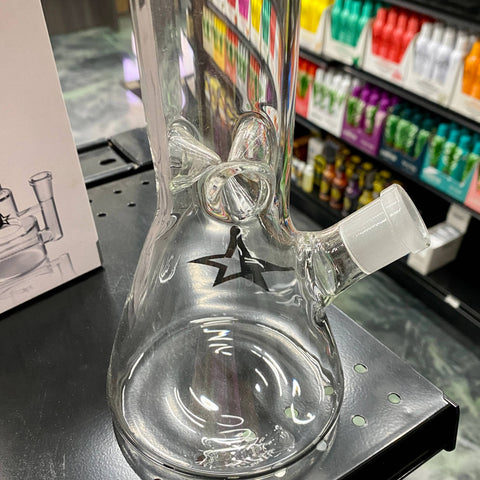
Most legitimate wholesale glass suppliers operate strictly B2B. They will require a resale certificate or business license before granting access to wholesale pricing. Check their minimum order requirements early; some distributors, like Patel Smoke Inc., set a flat minimum order of $200, while others may require higher volume commitments. Ensure their MOQ aligns with your shelf space and cash flow.
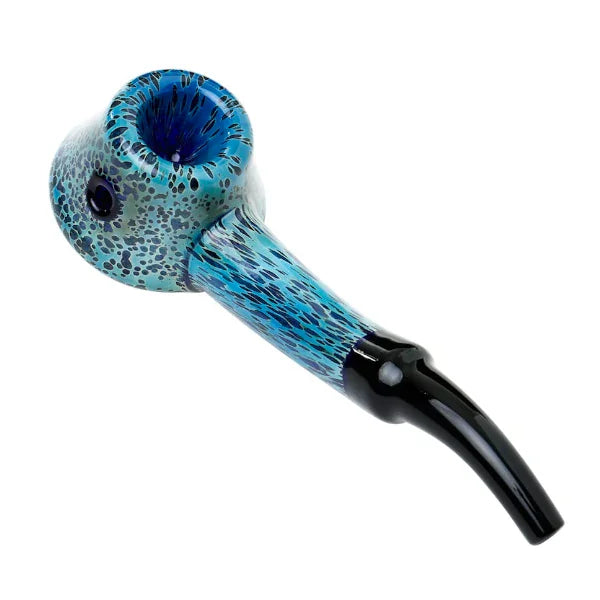
Review the supplier’s catalog for consistency and variety. Leading providers like Hara Brands and IAI Corporation offer extensive ranges of glass pipes and smoking accessories. Look for suppliers that provide detailed product specifications, including glass thickness, tube diameter, and joint sizes. Consistent quality control is critical for retail sales, as defective glass products lead to high return rates and customer dissatisfaction.

Glass is fragile. Before placing a large order, ask the supplier about their packaging standards and breakage replacement policy. Reputable distributors use reinforced packaging to minimize transit damage. Clarify whether they absorb the cost of broken items or if you need to file claims. Understanding their logistics network helps you predict delivery times and potential inventory gaps.
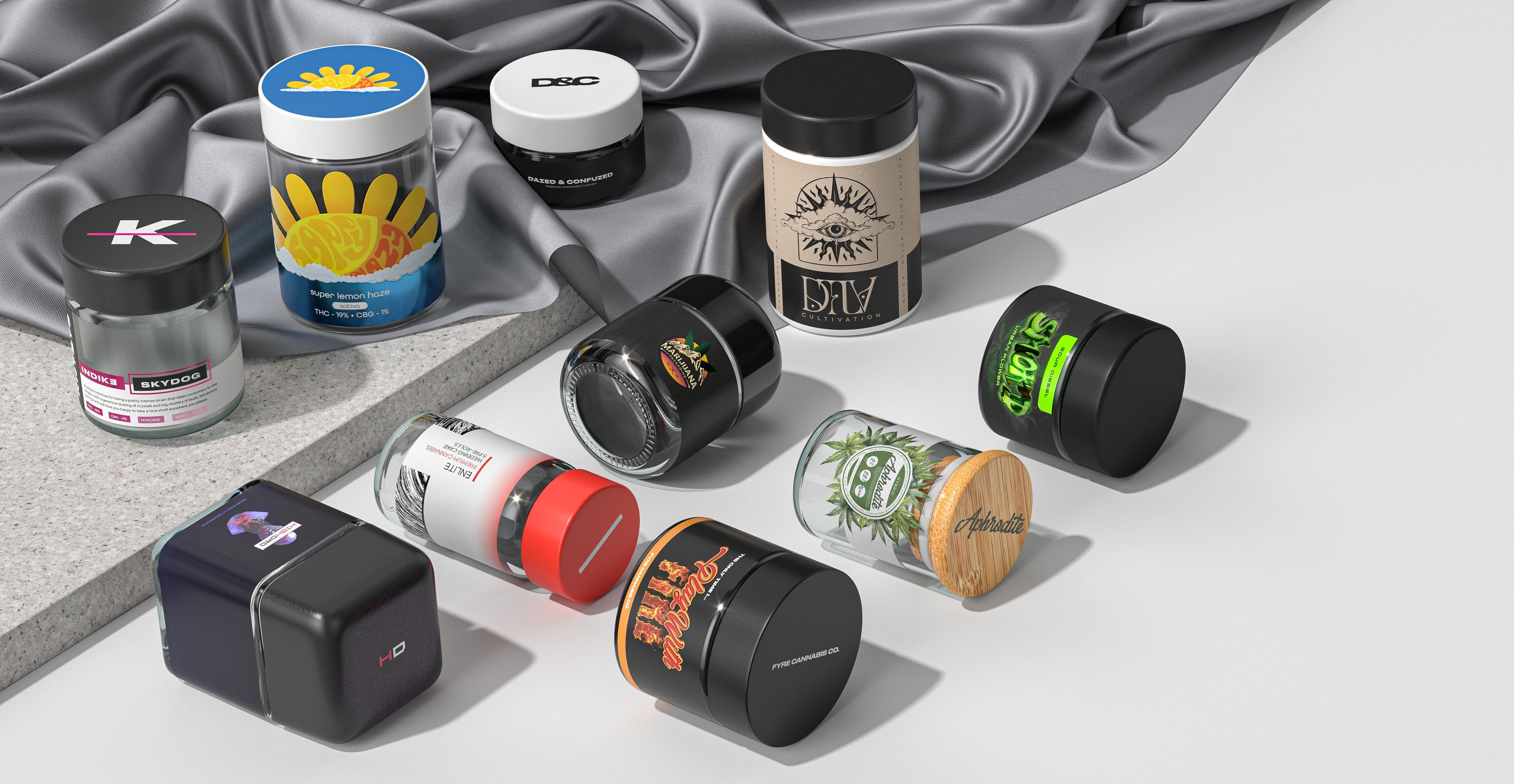
Never place a full order without testing the product first. Request samples of the specific glass pipes you intend to stock. Inspect the joints, smoothness, and overall construction. This step validates the supplier’s quality claims and ensures the product meets your retail customers’ expectations before you commit significant capital to inventory.
A thorough vetting process protects your margins and ensures you build a supply chain that supports steady retail growth.
Compare bulk smoking accessory quality
Wholesale glass pipes fall into three distinct tiers, each defined by the raw material, minimum order quantity (MOQ), and packaging readiness. Retailers must align these specs with their target margin and customer base. Borosilicate glass offers the highest durability and heat resistance, making it suitable for premium lines, while standard soda-lime glass provides a lower entry cost for high-volume, disposable-style products. Hand-blown pieces command higher per-unit prices but often require stricter handling during shipping.
The table below outlines the key differences between common wholesale categories. Use this comparison to evaluate supplier quotes and ensure the product matches your shelf requirements.
| Category | Glass Type | Typical MOQ | Retail Packaging |
|---|---|---|---|
| Premium Borosilicate | Borosilicate (41G) | 10-25 units | Individual boxes or blister packs |
| Standard Bulk | Soda-lime or soft glass | 50-100 units | Bulk bags or poly bags |
| Artisan Hand-Blown | Lead-free crystal or borosilicate | 5-10 units | Gift boxes or custom inserts |
When assessing quality, request samples to check for thick-walled joints and smooth interior percolation paths. Suppliers like Roetell and specialized distributors often provide detailed spec sheets for their borosilicate lines. Ensure the packaging protects the glass from chipping during transit, as broken inventory directly impacts your net margin.
Plan your 2026 glass trends order
Balancing novelty with reliable sellers defines a resilient inventory strategy. Wholesale glass pipes from 2026 suppliers show a shift toward tactile finishes and reactive aesthetics. Color-changing glass, frit techniques, and sandblasted textures are moving from niche to standard stock.
Color-changing glass responds to heat, offering an interactive experience that drives impulse purchases. Frit glass incorporates crushed glass into the tube, creating unique, organic patterns that appeal to collectors. Sandblasted finishes provide a matte, non-slip grip, addressing the common issue of condensation and oil buildup on traditional smooth glass.
These trends should complement your core inventory. Classic spoon pipes and bongs remain the volume drivers for everyday users. Stocking 70% classic staples and 30% trend-focused pieces ensures you capture both repeat customers and novelty seekers.
Evaluate suppliers by requesting physical samples before committing to bulk orders. Verify that the color-changing coatings are durable and the frit application is consistent across batches. Confirm shipping dates early, as trend items often have longer lead times than standard glassware.
-
Verify stock levels for classic staples and trend items
-
Check trend alignment with current retail demand
-
Confirm shipping dates and lead times for glass
Common wholesale glass pipe mistakes
Sourcing glass pipes for retail requires balancing inventory turnover with product durability. Many buyers make errors that erode margins before the first unit sells. Understanding these pitfalls helps you build a resilient supply chain.
Over-ordering novelty items
Novelty glass pipes—such as color-changing or frit-style pieces—often drive impulse buys but suffer from short lifecycle trends. Stocking excessive novelty inventory ties up capital in items that quickly become obsolete. Instead, prioritize classic designs like spoon pipes and standard hand pipes, which maintain steady demand. Use novelty items as small, high-margin add-ons rather than core stock.
Ignoring breakage costs
Glass is fragile, and shipping damage is an inevitable cost of doing business. Buyers often underestimate the percentage of inventory lost to transit breakage, leading to unexpected losses. Calculate a realistic breakage rate (typically 2-5%) and factor it into your cost-per-unit model. Choose suppliers who use reinforced packaging and offer clear replacement policies for damaged goods upon arrival.
Choosing suppliers with poor support
Reliable wholesale glass pipe distributors provide more than just products; they offer responsive customer service and transparent logistics. Suppliers with poor support may delay shipments, miscommunicate stock levels, or ignore quality issues. Evaluate potential partners by testing their response times and return policies before committing to large orders. A supplier with robust support prevents small issues from becoming costly disruptions.
Frequently asked questions about wholesale glass
When sourcing wholesale glass pipes for retail, buyers often encounter specific hurdles regarding minimum orders, shipping logistics, and product verification. Addressing these operational details early helps streamline the procurement process and ensures your inventory meets quality standards before it reaches the shelf.
No comments yet. Be the first to share your thoughts!