
Current wholesale glass pricing
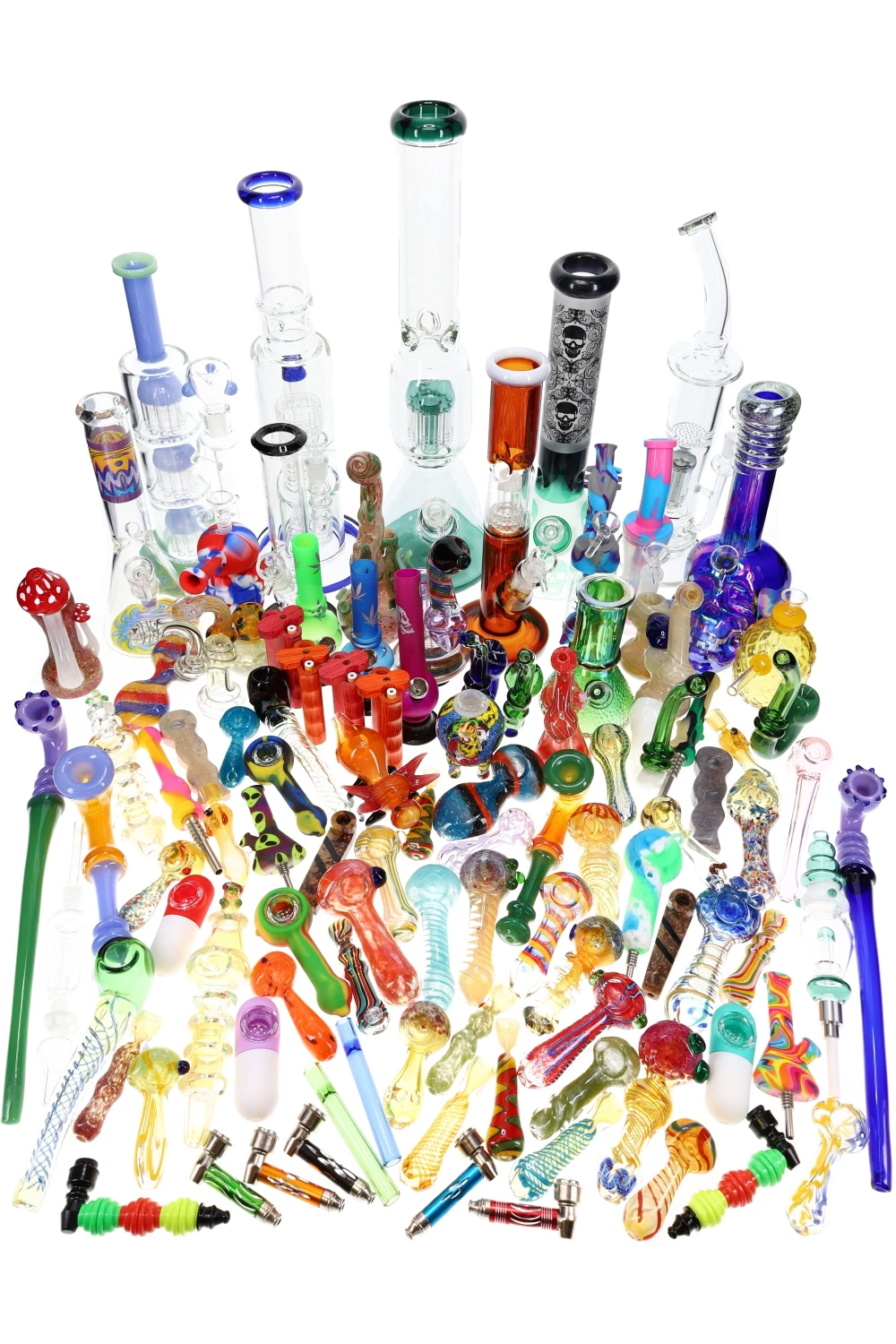
Wholesale glass prices are sensitive right now. For basic hand pipes, expect to pay between $2.50 and $6.00 per piece in bulk. For common items like basic hand pipes, retailers can generally expect to pay between $2.50 and $6.00 per piece in bulk, depending on quantity and glass quality. Bubblers typically range from $4.00 to $10.00, while more complex pieces, such as bongs with percolators, can fall between $8.00 and $20.00 or higher. These are broad ranges, of course; customization and specific design features will significantly impact the final price.
A primary driver of these costs is the price of raw materials. Silica, the base component of glass, and particularly borosilicate glass which is favored for its heat resistance, have experienced fluctuations based on global demand and supply chain disruptions. Manufacturing location also plays a significant role. Products sourced from China generally offer lower per-unit costs, but are subject to import duties and potential shipping delays. US-made glass tends to be more expensive upfront, but can offer faster turnaround times and potentially better quality control.
Recent tariff changes have added another layer of complexity. While some tariffs have been adjusted or temporarily suspended, they still contribute to the overall cost of imported glass. Retailers need to carefully factor these costs into their pricing strategies. These prices reflect the market in late 2024. Use them as a baseline for your 2025 and 2026 budgeting, but keep an eye on shipping and tariff shifts. Establishing a baseline now is essential for accurate budgeting and margin calculations.
Tiered pricing and volume discounts
Bulk pricing structures are rarely linear. Most wholesale suppliers employ tiered pricing, offering progressively lower per-piece costs as order volume increases. A typical structure might look like this: 1-24 pieces at $5.00 each, 25-99 pieces at $4.00 each, and 100+ pieces at $3.00 each. These numbers are illustrative, but demonstrate the principle. Minimum order quantities (MOQs) are common, often set at 100 or 200 pieces per item, which can be a significant investment for smaller retailers.
It’s crucial to evaluate whether the lower per-piece price justifies the larger upfront investment and potential risk of excess inventory. Sometimes, ordering a smaller quantity at a slightly higher price is more financially prudent, especially for slower-moving items. Drop shipping is a service offered by some wholesalers where they ship directly to your customers, eliminating the need for you to hold inventory. However, drop shipping typically comes with lower margins and less control over shipping times and quality.
Customization—adding logos, choosing specific colors, or requesting unique designs—will invariably increase the price. The extent of the increase depends on the complexity of the customization and the supplier’s capabilities. Be prepared to pay a setup fee for custom orders, especially for smaller quantities. It’s important to get a detailed quote that breaks down all costs before committing to a custom order.
- Tier 1 (1-24 pieces): The highest per-piece cost for small fill-in orders.
- Tier 2: 25-99 pieces – Moderate per-piece price.
- Tier 3: 100+ pieces – Lowest per-piece price (but requires significant upfront investment).
Wholesale Pricing Tier Comparison – 2026 Outlook
| Tier | Per-Piece Cost | Minimum Order Quantity (MOQ) | Inventory Risk | Best Suited For |
|---|---|---|---|---|
| 1-24 Pieces | High | Low | High | Small Boutiques, Specialty Shops |
| 25-99 Pieces | Medium-High | Medium | Medium-High | Expanding Retailers, Pop-Up Shops |
| 100-249 Pieces | Medium | Medium-High | Medium | Established Headshops, Moderate Volume Businesses |
| 250-499 Pieces | Medium-Low | High | Medium-Low | Regional Retailers, Multi-Location Stores |
| 500+ Pieces | Low | Very High | Low | Large Distributors, Chain Retailers |
Illustrative comparison based on the article research brief. Verify current pricing, limits, and product details in the official docs before relying on it.
Price variations by category
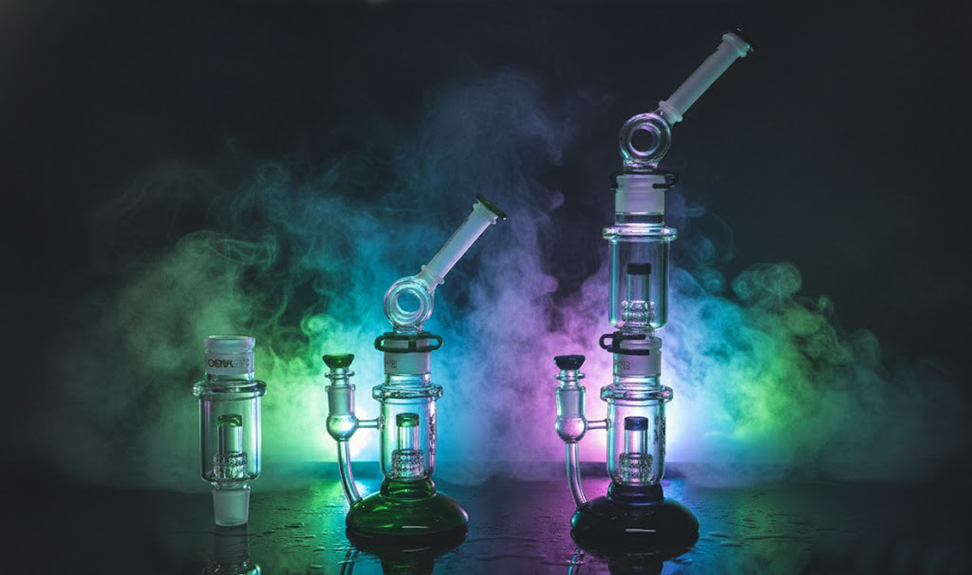
Pricing isn’t uniform across all glass accessories. Hand pipes, being the simplest to manufacture, generally have the lowest price point. Bubblers, with their added water chamber, are more expensive. Bongs, especially those with intricate percolators and complex designs, represent a significant price jump. Dab rigs, requiring precise joint sizes and often featuring more elaborate glasswork, are typically among the most expensive items.
The complexity of the design and the thickness of the glass are major drivers of price. Percolators, designed to filter smoke, add considerable cost due to the additional labor and glass required. Joint sizes also matter; precise, well-finished joints are more expensive to produce but contribute to a higher-quality product. Novelty items, like themed pipes or silicone pieces, can command a premium price, especially if they’re limited edition or feature unique designs.
Supply chain issues are currently hitting specialized percolators and colored glass. This is driving up the cost of bongs and dab rigs compared to clear glass alternatives. Silicone pieces, while generally less expensive than glass, have also seen price increases due to rising silicone material costs. Keep an eye on these trends and diversify your sourcing to mitigate risk.
Supplier margins and negotiation
Wholesalers typically operate on margins ranging from 20% to 50%, depending on the product category, order volume, and their own overhead costs. Simpler items like hand pipes tend to have lower margins, while more complex pieces like dab rigs can support higher margins. Understanding this margin structure is crucial for negotiating better pricing.
Retailers have several levers they can pull when negotiating. Larger order volumes almost always translate to better pricing. Committing to long-term contracts can also secure favorable rates. Offering prompt payment—perhaps with a small discount for early payment—can be a persuasive tactic. Building a strong relationship with your supplier is perhaps the most effective strategy. Regular communication and a reputation for reliability can open doors to better deals.
There are pros and cons to using a broker versus dealing directly with a manufacturer. Brokers can offer access to a wider range of suppliers and may be able to negotiate better deals on your behalf, but they also add an additional layer of cost. Dealing directly with a manufacturer can result in lower prices, but requires more time and effort to manage the relationship. Direct communication with manufacturers usually gets the best results. It cuts out the middleman and makes your specific requirements clear.
- Large Order Volume: A primary negotiation tool.
- Long-Term Contracts: Secure favorable rates.
- Prompt Payment: Offer discounts for early payment.
- Strong Supplier Relationship: Build trust and communication.
Shipping and handling costs
Shipping costs are often overlooked, but can significantly impact your overall profitability. These costs are influenced by several factors, including the weight and dimensions of the shipment, the distance it needs to travel, and the fragility of the glass items. Glass is inherently fragile, requiring careful packaging and potentially higher insurance costs.
Different shipping options come with varying price points and delivery times. Ground shipping is the most economical option, but also the slowest. Expedited shipping offers faster delivery, but at a higher cost. Freight shipping is typically used for large orders and can be the most cost-effective option for heavy shipments. Insurance is essential to protect against breakage or loss during transit.
Be aware of potential shipping scams, such as inflated shipping charges or misrepresented delivery times. Carefully review all shipping invoices and compare rates from different carriers. Packaging materials also contribute to the overall expense. Negotiate with your supplier to minimize packaging costs without compromising the safety of the glass.
How material quality affects price
The quality of the glass directly correlates with its price. Borosilicate glass, known for its superior heat resistance and durability, is significantly more expensive than soda-lime glass. Borosilicate glass is less prone to cracking or shattering under thermal stress, making it ideal for use with high-temperature applications like dabbing.
Thicker glass offers greater durability and resistance to breakage, but also adds to the cost. Precise joint sizes ensure a secure and airtight connection, preventing leaks and improving the overall smoking experience. Well-finished percolators provide efficient filtration, resulting in a smoother and more enjoyable smoke. These features all contribute to a higher-quality product and a higher price point.
Higher quality glass translates to lower breakage rates, reducing returns and improving customer satisfaction. Look for suppliers who adhere to strict quality control standards and offer certifications to verify the quality of their glass. I believe investing in higher quality glass, even at a slightly higher cost, is a smart long-term strategy for building a reputable brand.
- Borosilicate glass is the standard for heat resistance and won't crack under a torch.
- Thicker Glass: Increased durability and resistance to breakage.
- Precise Joints: Secure and airtight connection.
- Well-Finished Percolators: Efficient filtration.
Pricing trends for 2026
Predicting future pricing with certainty is impossible, but several trends suggest potential scenarios for 2026. Raw material costs are likely to remain volatile, influenced by global economic conditions and supply chain dynamics. Continued geopolitical instability could lead to further disruptions and price increases. Tariffs are also subject to change, depending on trade policies.
The development of new manufacturing technologies, such as automated glassblowing and 3D printing, could potentially lower production costs in the long term. However, these technologies are still in their early stages of development and may not have a significant impact on pricing in the near future. New regulations related to cannabis and smoking accessories could also affect pricing, particularly if they impose stricter quality control standards or increase taxes.
I’m hesitant to make firm predictions, but I anticipate a continued emphasis on cost optimization throughout the supply chain. Retailers who can build strong relationships with their suppliers and diversify their sourcing are likely to be best positioned to navigate these challenges. It's vital to stay informed about industry trends and adjust your pricing strategies accordingly.

No comments yet. Be the first to share your thoughts!